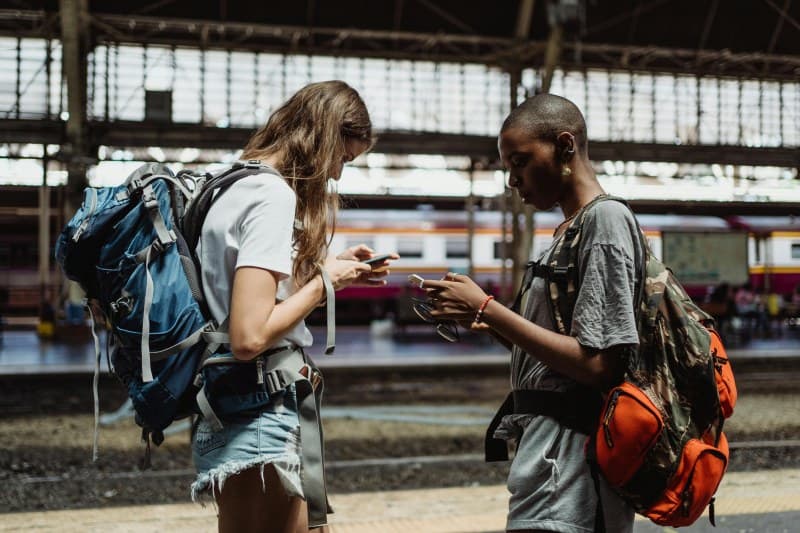
Last year, my friend Lila landed in Tokyo for her first solo trip. She planned to take the subway from Haneda to her Airbnb, but as soon as she stepped into the station, the wall of Japanese characters and overlapping line maps made her freeze. She fumbled with her phone (which had no data), missed three trains, and ended up taking a pricey taxi. Sound familiar? That 'lost in foreign public transport' panic is a common travel woe—but it doesn’t have to ruin your trip.
Why Does This Panic Happen?
Several factors collide to make foreign transport feel overwhelming: language barriers (signs you can’t read), unfamiliar payment systems (like London’s Oyster card vs. NYC’s MetroCard), time pressure (worried about missing a flight or reservation), and sensory overload (crowds, loud announcements, and fast-paced commuters).
To help you choose the right option, here’s a quick comparison of common transport types for tourists:
| Transport Type | Ease for Tourists | Cost | Local Pro Tip |
|---|---|---|---|
| Subway | Medium (maps can be complex) | Low | Download offline line maps before your trip. |
| Bus | Low (stops may lack English labels) | Low | Ask the driver to signal your stop in advance. |
| Tram | High (fixed routes, easy to follow) | Medium | Buy a day pass for unlimited rides. |
| Taxi | High (no navigation needed) | High | Use ride-hailing apps like Uber or Grab for fixed prices. |
4 Ways to Navigate Like a Local
1. Prep Offline Tools First 💡
Don’t rely on mobile data—download Google Maps offline for your destination, and use apps like Moovit (which gives real-time schedules and route suggestions). Save station names or addresses in the local language so you can show them to attendants. When I went to Paris, I saved my hotel’s address in French, and a subway worker quickly pointed me to the right line.
2. Learn 3 Key Phrases 🗣️
Even basic phrases go a long way: “Where is [station]?”, “How much does this cost?”, and “Can you help me?” Locals appreciate the effort, even if your pronunciation is off. In Seoul, I used “Subway eodiyo?” (Where is the subway?) and a grandma helped me find the entrance, even though we couldn’t understand each other’s full sentences.
3. Follow the Crowd (Smartly) 👥
Look for commuters who seem to know their way—like people in business attire or students. They’re likely heading to a major station or popular area. In Mexico City, I followed a group of office workers to the correct metro line, and it got me to my destination without a hitch.
4. Embrace Mistakes as Part of the Adventure 🌟
“Life is an experiment. The more experiments, the better.” — Ralph Waldo Emerson
Getting lost isn’t a failure—it’s an opportunity to discover something new. When I took the wrong train in Berlin, I ended up in a quiet neighborhood with a cozy coffee shop and street art I never would have found otherwise. Just laugh it off and ask for directions.
Quick Q&A: Your Transport Questions Answered 🚦
Q: Is it safe to use public transport in most foreign cities?
A: Yes, most major cities have safe public transport. Just keep an eye on your belongings and avoid empty carriages late at night. In some cities, like Tokyo, it’s even common to leave bags unattended while you grab a snack.
Q: Should I buy a day pass or single tickets?
A: Day passes are great if you’re moving around a lot—they save money and time. Single tickets are better for a few trips. For example, in Barcelona, a day pass costs around €10 and covers all metro and bus rides, which is perfect for sightseeing.
Next time you’re faced with a foreign transport system, take a deep breath. With a little prep and a positive attitude, you’ll be navigating like a local in no time.