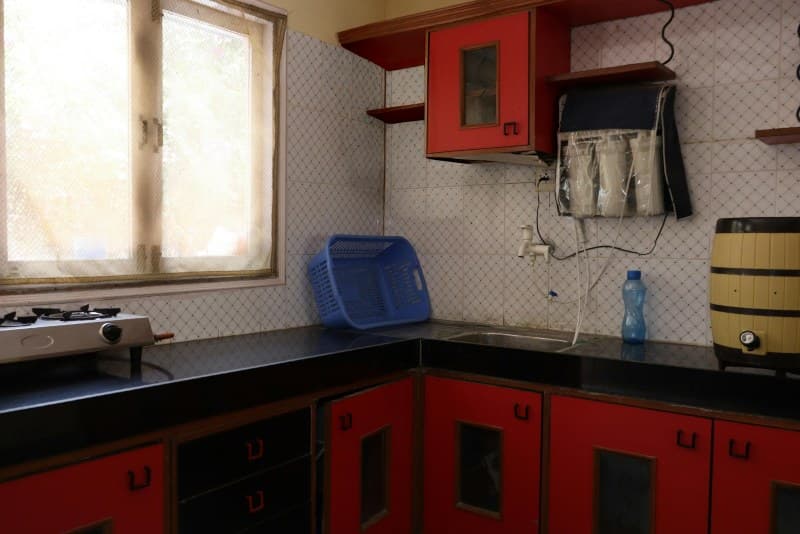
Last week, I spent an hour making spaghetti for my family. After draining the pasta, I rinsed the pot and dumped leftover sauce down the sink. Next thing I knew, water pooled up, refusing to drain. I groaned—another clog. Sound familiar? Kitchen sink clogs are one of the most common home nuisances, but you don’t need to call a plumber every time.
Why Do Kitchen Sink Drains Clog?
Most clogs are a mix of everyday items we pour or rinse down the sink. Grease and oil solidify when cool, sticking to pipe walls. Food scraps like pasta, rice, or vegetable peels get trapped. Soap scum builds up over time (especially with hard water). Even small hair bits from handwashing contribute to blockages.
7 Easy Fixes to Unclog Your Sink
- Plunger: Fill the sink with 2 inches of water, place the plunger over the drain, and push firmly up and down. Works best for minor clogs.
- Baking Soda + Vinegar: Pour ½ cup baking soda, then ½ cup white vinegar. Cover the drain to trap fizz. Wait 15 minutes, then flush with hot water. Great for organic clogs.
- Drain Snake: Insert a small snake into the drain, twist, and pull out. Good for deeper clogs.
- Boiling Water: Pour a pot of boiling water slowly down the drain. Works for grease clogs (avoid on plastic pipes).
- Wet/Dry Vacuum: Set to wet mode, cover the drain with the hose, and turn on. Sucks out clogs quickly.
- Salt + Hot Water: Pour ¼ cup salt, then boiling water. Salt dissolves grease and breaks down food.
- Dish Soap + Hot Water: Squirt a few drops of dish soap, then boiling water. Soap cuts through grease.
Which Fix Should You Use? A Quick Comparison
Here’s how four popular fixes stack up:
| Fix | Ease of Use | Cost | Safety (for pipes) | Best For |
|---|---|---|---|---|
| Plunger | Easy | Low (already have) | Safe | Minor clogs |
| Baking Soda + Vinegar | Medium | Low | Safe | Organic clogs |
| Drain Snake | Medium | Low-Medium | Safe (if used carefully) | Deep clogs |
| Chemical Cleaners | Easy | Medium | Risky (corrodes pipes) | Severe clogs (last resort) |
Preventing Clogs: The Smart Way
As Benjamin Franklin once said:
An ounce of prevention is worth a pound of cure.This rings true for sink clogs. Simple steps to keep drains flowing:
- Use a drain strainer to catch food scraps and hair.
- Never pour grease/oil down the drain—cool and throw it in the trash.
- Rinse with hot water after each use to flush small bits.
- Once a month, use baking soda + vinegar to prevent buildup.
Common Question: Is Chemical Drain Cleaner Safe?
Q: I’ve seen chemical drain cleaners at the store—should I use them?
A: Chemical cleaners are powerful but can damage plastic pipes and release toxic fumes. They also harm the environment. Try natural fixes first. If those fail, call a plumber instead.
Next time your sink clogs, don’t panic. With these 7 fixes and prevention tips, you can handle most blockages yourself. Save time, money, and the hassle of calling a plumber—your sink (and wallet) will thank you.