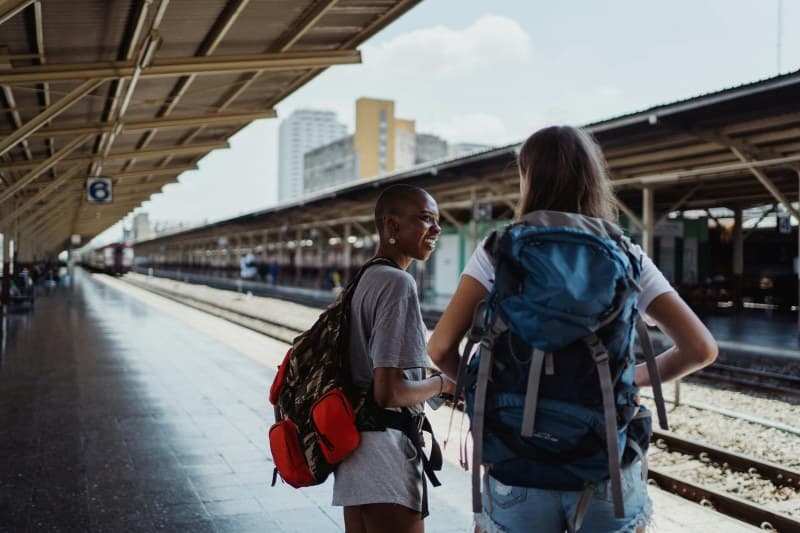
Ever returned from a trip feeling like you checked all the boxes—visited the landmarks, took the photos, ate at the recommended restaurants—but still missed something? My friend Sarah knows that feeling all too well. Last year, she spent a week in Paris, ticking off the Eiffel Tower, Louvre, and Montmartre from her list. But by the end, she told me, “I feel like I saw Paris through a window, not lived it.” That’s the travel blues we’re talking about: the nagging sense that you’re not really connecting with the place you’re visiting.
Why the “missing real culture” blues happen
It’s easy to fall into tourist traps without even realizing it. Here are a few common reasons:
- Rushing itineraries: Trying to see 10 sights in a day leaves no time to stop and chat with a local or explore a hidden alley.
- Sticking to tourist zones: Areas like Paris’s Champs-Élysées or Rome’s Trevi Fountain are full of chain stores and overpriced cafes—far from the daily life of locals.
- Fear of the unknown: Many travelers avoid venturing into non-tourist areas because they don’t speak the language or worry about getting lost.
4 ways to dive deeper into local life
You don’t need to rearrange your entire trip to fix this. Try these simple, actionable steps:
1. Join a local workshop or class
Whether it’s a cooking class in Thailand, a pottery workshop in Morocco, or a dance lesson in Brazil, these activities let you learn a skill while interacting with locals. Sarah’s turning point in Paris was a croissant-making class with Madame Dubois, who shared stories about her grandmother’s bakery while teaching her to fold the dough.
2. Eat at family-run spots (not tourist menus)
Skip the restaurants with English menus and photos. Look for places where locals are eating—small bistros, street food stalls, or markets. In Mexico City, I once stumbled on a tiny taco stand run by a family. They didn’t speak much English, but we laughed as I tried to order in broken Spanish, and they gave me extra salsa as a gift.
3. Wander off the main streets
Take a detour from the busy avenues. Walk down a side street, visit a neighborhood park, or browse a local bookstore. In Tokyo, I found a hidden tea house in a residential area where the owner served matcha and told me about growing up in the city.
4. Volunteer for a small local project
Even a few hours of volunteering can give you a unique perspective. Help plant trees in a community garden, pack meals for a local shelter, or tutor kids in English. In Costa Rica, I volunteered at a turtle conservation project—we spent the morning cleaning beaches and talking to the local guides about their work.
Here’s how these four ways stack up:
| Activity | Effort Level | Average Cost | Cultural Impact |
|---|---|---|---|
| Local Workshop | Medium (book in advance) | $20-$50 | High (hands-on learning) |
| Family-Run Eatery | Low (just walk around) | $5-$20 | Medium (taste local food) |
| Wander Off Main Streets | Low (spontaneous) | Free | Medium (see daily life) |
| Volunteer Project | High (plan ahead) | Free (sometimes) | Very High (contribute to the community) |
“The world is a book and those who do not travel read only one page.” — St. Augustine
This quote reminds us that travel isn’t just about visiting places—it’s about reading the stories of the people who live there. When you take the time to connect with locals, you’re turning a single page into a whole chapter.
FAQ: Do I need to speak the local language?
Q: I don’t speak the local language. Can I still connect with locals?
A: Absolutely! You don’t need to be fluent. Simple gestures like smiling, nodding, or using basic phrases (hello, thank you, please) go a long way. Many locals appreciate the effort, and even if you miscommunicate, it can lead to fun, memorable moments.
Next time you travel, try one of these tips. You might be surprised at how much more meaningful your trip becomes—no fancy plans required. After all, the best travel memories aren’t from the landmarks; they’re from the people you meet and the stories you share.