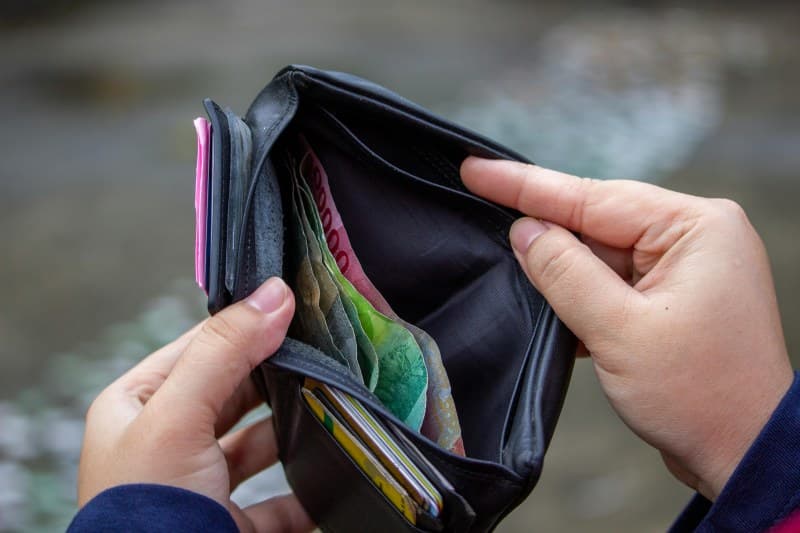
Let’s start with Sarah: She buys a $4 latte every morning on her way to work. At the end of the month, she adds up the total—$120—and cringes. She can afford it, but the guilt creeps in: “That money could have gone to savings.” Sound familiar? Small spending guilt is a common struggle, even when we’re not breaking the bank.
Why small spending guilt hits so hard
It’s not just about the numbers. Small spends feel guilty because we often view every dollar as needing to be “productive”—saved, invested, or used for bills. So when we spend on something “unnecessary,” it feels like waste. Social media doesn’t help either: We see others posting about their frugal habits, making our small treats feel like failures. Plus, small amounts add up over time, which amplifies the guilt.
5 gentle ways to reframe your small spending
- 1. Categorize your spends: Split small purchases into “treats” (like a coffee with a friend) and “impulse buys” (like a candy bar at checkout). Treats are intentional; impulse buys are unplanned. This helps you focus guilt on the unplanned ones.
- 2. Set a “fun budget”: Allocate a fixed amount each month (say, $50) for small treats. When you use this money, there’s no guilt—you planned for it.
- 3. Ask the joy question: Before buying, ask: “Will this bring me joy that lasts longer than the purchase?” A $3 snack might be gone in 10 minutes, but a $10 book could be enjoyed for weeks.
- 4. Practice gratitude: If you can afford a small treat, be thankful for the financial stability that allows it. Not everyone has that luxury.
- 5. Let go of perfection: One splurge won’t ruin your budget. Focus on consistency over being 100% frugal all the time.
How to handle different small spending types
Use this table to guide your decisions:
| Type of Spending | Example | Reframe Strategy |
|---|---|---|
| Daily Treat | Morning latte, afternoon fruit | Include in your fun budget; savor the moment instead of feeling guilty. |
| Impulse Buy | Checkout line gadget, random sticker | Wait 24 hours. If you still want it, see if it fits your fun budget. |
| Necessary Splurge | New socks (old ones have holes), a better water bottle | View as an investment in comfort/health—no guilt needed. |
Wisdom to keep in mind
“Enjoy the little things, for one day you may look back and realize they were the big things.” — Robert Brault
This quote reminds us that small spends aren’t just about money—they’re about moments. A coffee with a colleague might spark a new project; a small plant for your desk could brighten your workday. These moments matter.
FAQ: Is it okay to spend on non-essential small things?
Q: I feel guilty when I buy things I don’t “need.” Should I stop?
A: No! Financial health is about balance, not deprivation. Small, planned treats keep you motivated to stick to your budget long-term. For example, if you’re saving for a vacation, $20 a month for coffee treats won’t derail your progress—but it will make the journey more enjoyable. The key is to plan for these spends so they don’t take away from essential goals like bills or emergency savings.