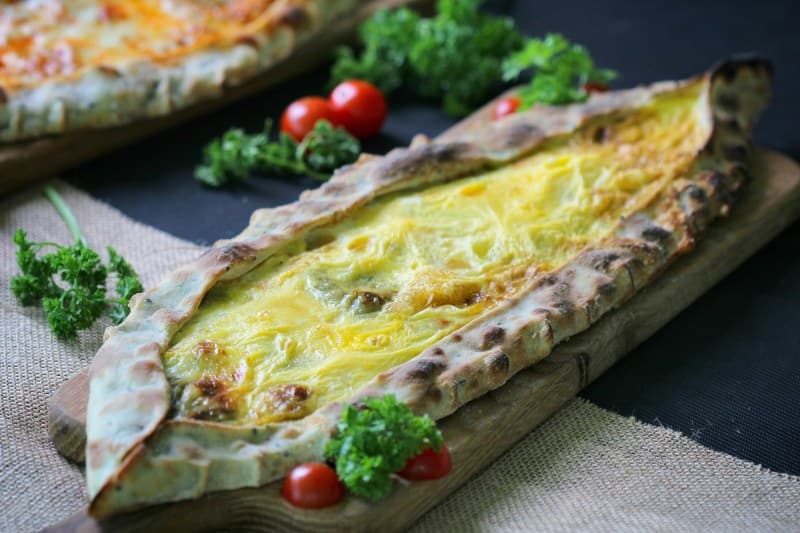
Let’s be real—there’s nothing more disappointing than traveling to a new city, craving the real deal (think: crispy Neapolitan pizza, spicy Thai papaya salad, or flaky Mexican churros), and ending up at a tourist trap serving bland, overpriced imitations. I remember my first trip to Rome: I followed a guidebook to a “local” pizzeria near the Colosseum, only to find it packed with camera-toting visitors and pizza that tasted like cardboard. It wasn’t until I asked a local barista for a recommendation that I found a tiny spot down a cobblestone alley—where the pizza had a charred crust, oozing mozzarella, and locals chatting over glasses of wine. That’s the magic we’re chasing.
Why the frustration lingers
So why is it so hard to find authentic food in tourist-heavy areas? For one, tourist traps are designed to be visible—they’re right near landmarks, have big signs, and cater to quick, familiar meals. Locals, on the other hand, avoid these spots like the plague. Language barriers can also hold you back: if you don’t speak the local tongue, asking for recommendations feels intimidating. And guidebooks? They often get outdated fast—by the time a spot is in print, it’s already been discovered by tourists.
7 ways to dig up hidden culinary gems
- Ask the right locals: Skip the front desk at your hotel (they often get commissions from tourist spots). Instead, chat with housekeepers, baristas, or taxi drivers—people who live and eat in the city every day.
- Use niche food apps: Apps like EatWith (for home-cooked meals) or LocalEats (curated local spots) are way better than generic review sites like Yelp.
- Wander off the beaten path: Walk 10-15 minutes away from major landmarks. Look for spots with no English menus, where locals are sitting for long meals.
- Visit local markets: Markets like Bangkok’s Chatuchak or Mexico City’s Mercado de la Merced are goldmines. You’ll find fresh street food, local snacks, and vendors who love to share their culture.
- Follow local food bloggers: Search Instagram or TikTok for bloggers with small followings (under 10k) who post about their favorite spots. They’re more likely to share hidden gems than big influencers.
- Take a cooking class: Many classes include a trip to a local market and a meal with the instructor. It’s a great way to learn about ingredients and get insider tips.
- Try “hole-in-the-wall” spots: Look for tiny restaurants with plastic tables, no decor, and a line of locals. These are often the best places for authentic food.
Which method is right for you? A quick comparison
Not sure which approach to try first? Here’s a breakdown of three popular methods:
| Method | Effort Level | Cost Impact | Authenticity Chance | Pros | Cons |
|---|---|---|---|---|---|
| Asking locals | Low | None | High | Personalized recommendations, builds connections | Requires basic language skills or a translator app |
| Using niche apps | Medium | Small (some apps charge fees) | Medium-High | Curated lists, user reviews from locals | May not cover all areas |
| Wandering off the path | High | None | Variable | Adventurous, no pressure | Can be time-consuming or lead to dead ends |
Cultural do’s & don’ts to remember
When you finally find that hidden gem, there are a few rules to follow to be a respectful guest:
- Do carry cash: Many small spots don’t take credit cards.
- Don’t ask for substitutions: In some cultures (like Italy), changing a dish is seen as disrespectful to the chef.
- Do learn basic phrases: Saying “please” and “thank you” in the local language goes a long way.
- Don’t take photos of people eating: Always ask permission first.
“Food is our common ground, a universal experience.” — James Beard
This quote hits home because food isn’t just about eating—it’s about connecting with the people and culture of a place. When you sit down at a local spot, you’re not just trying a meal; you’re sharing a moment with the community.
FAQ: Is street food in tourist areas always unsafe?
Q: I’m worried about getting sick from street food in tourist spots. Should I avoid it?
A: Not necessarily! Look for stalls with long lines of locals (that’s a sign the food is fresh and safe). Avoid stalls where food is sitting out in the sun for hours, and make sure the vendor uses clean utensils. If you’re still nervous, stick to cooked foods (like grilled meat or fried snacks) instead of raw ones.
At the end of the day, finding authentic local food is all about being curious and open. It might take a little extra effort, but the reward—savoring a meal that tastes like the city itself—is worth it. So next time you’re traveling, skip the guidebook and start exploring.