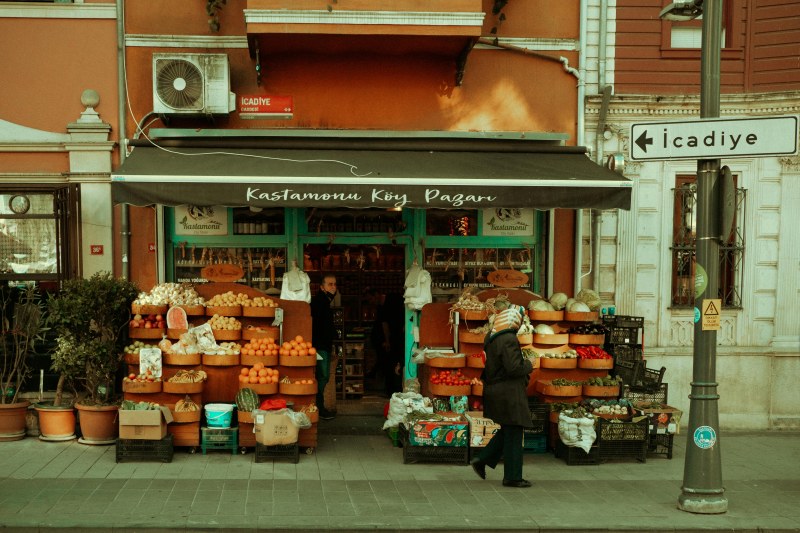
Last year, I spent three days in Bangkok hunting for "real" pad thai. Every spot near my hotel served glistening, sweet versions loaded with ketchup—nothing like the tangy, herb-packed dish I’d heard about. Then, a taxi driver noticed me staring at a menu and said, “Follow me.” He took me to a tiny stall down an alley, where a grandmother stirred woks over a charcoal fire. The pad thai was smoky, spicy, and full of fresh lime—exactly what I’d been craving. That moment taught me: finding authentic local food isn’t about luck—it’s about knowing where to look.
Why It’s So Hard to Find Authentic Local Food
You’re not alone if you’ve walked through a tourist district and felt underwhelmed by the food. Here’s why:
- Tourist traps prioritize familiarity: Places near landmarks often serve watered-down versions of local dishes to cater to Western tastes.
- Language barriers: If you don’t speak the local language, it’s hard to ask for “the real thing” or navigate off-the-beaten-path spots.
- Guidebooks are outdated: Many popular guidebooks list spots that were once authentic but have since become tourist magnets.
- Fear of the unknown: It’s easy to stick to what you know instead of trying a place with no English menu or unfamiliar ingredients.
7 Ways to Dig Up Hidden Culinary Gems
Ready to skip the tourist traps? Try these tips:
- Ask the right locals: Skip hotel concierges (they often get commissions from tourist spots). Instead, chat with street vendors, shopkeepers, or taxi drivers. In Mexico City, a fruit seller once told me about a taco stand that only opens at 10 PM—best al pastor I’ve ever had.
- Wander off the main drag: Turn down a side street or alley. In Tokyo, I found a tiny sushi bar in a basement off a busy avenue—no tourists, just locals enjoying omakase.
- Use local-focused apps: Apps like EatWith (home-cooked meals with locals) or LocalEats (curated local spots) are better than Yelp, which often favors tourist-friendly places.
- Join a local food tour: Look for tours led by residents, not big companies. In Lisbon, a local food blogger took me to a family-run bakery that’s been making pastéis de nata for 50 years.
- Follow the lines: If a spot has a long line of locals, it’s probably good. In Seoul, I waited 20 minutes for a bowl of jjigae at a street stall—worth every second.
- Learn a few key phrases: Knowing “Where do locals eat?” or “What’s your favorite dish?” in the local language can open doors. In Italy, saying “Qual è il piatto tipico?” (What’s the typical dish?) led to a chef sharing his grandmother’s ravioli recipe.
- Skip the “top 10” lists: Instead, read local food blogs or social media accounts. A Bangkok food blogger’s Instagram post led me to that hidden pad thai stall.
Which Method Works Best for You? A Quick Comparison
Not sure which tip to try first? Here’s how three popular methods stack up:
| Method | Pros | Cons | Best For |
|---|---|---|---|
| Asking Locals | Free, personalized recommendations, authentic spots | Requires confidence, language barrier may be an issue | Adventurous travelers who love chatting |
| Local Food Tour | Guided, no planning needed, learns cultural context | Costs money, fixed schedule | First-time visitors to a city |
| Wander Off Main Streets | Spontaneous, no cost, chance to explore | May get lost, hit-or-miss results | Travelers who love exploring on foot |
Food as a Window to Culture
“Food is everything we are. It's an extension of nationalist feeling, ethnic feeling, your personal history, your province, your region, your tribe, your grandma.” — Anthony Bourdain
Bourdain’s words ring true: every dish tells a story. The pad thai I ate in Bangkok wasn’t just food—it was a grandmother’s recipe, passed down through generations, cooked over charcoal like it had been for decades. When you find authentic local food, you’re not just eating—you’re connecting with the culture.
FAQ: Your Burning Questions Answered
Q: Is street food always the most authentic option?
A: Not always. While many street food spots are authentic, some are aimed at tourists. Look for street stalls with locals eating there, no English menus, and simple setups. Avoid stalls near major landmarks that have pictures of dishes in multiple languages.
Q: What if I have dietary restrictions?
A: Learn key phrases for your restrictions (e.g., “no gluten” or “vegan”) in the local language. Apps like HappyCow (for vegan/vegetarian food) can also help find authentic spots that cater to your needs.
Finding authentic local food is one of the best parts of travel. It’s not about checking off a list—it’s about the unexpected moments: a grandmother’s pad thai, a late-night taco stand, a bakery that’s been around for decades. So next time you’re in a new city, skip the tourist traps, ask a local, and let your taste buds lead the way.