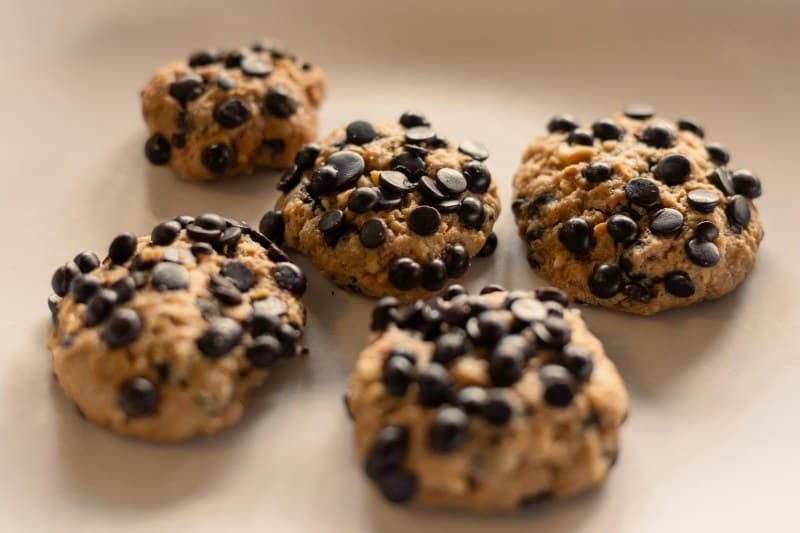
Last weekend, my friend Sarah spent an hour mixing chocolate chip cookie dough for her daughter’s birthday party. She measured every ingredient precisely, but when she pulled the tray out of the oven, her heart sank: the cookies had spread into thin, crispy discs instead of the plump, chewy treats she’d imagined. She almost tossed the whole batch—sound familiar?
Why Do Cookies Spread Too Thin?
Most cookie spreading issues boil down to two common mistakes: butter that’s too soft or oven temperature that’s too low. When butter melts before the cookie dough sets, it flows outward, flattening the cookie. A cold oven means the dough takes longer to cook, giving it more time to spread before the edges harden.
2 Key Fixes to Stop Cookie Spreading
Here’s how the two most effective fixes compare:
| Fix Type | How to Do It | Pros | Cons |
|---|---|---|---|
| Proper Butter Temperature | Keep butter at 65°F (18°C) — soft enough to indent with a finger, but not oily or melted. Leave it out for 30-60 minutes, or use a thermometer. | Enhances flavor, helps cookies hold shape, easy to do. | Takes planning (can’t rush it). |
| Preheat Oven Correctly | Preheat to the recipe’s temperature (usually 375-400°F) and use an oven thermometer to confirm. Avoid opening the oven door for the first 5 minutes. | Ensures even cooking, stops early spreading. | Requires a thermometer (cheap and worth it). |
Julia Child once said, “Baking is not just about following a recipe—it’s about understanding the science behind it.” This rings true for cookies: small adjustments to technique can turn a flop into a success.
A Real-Life Win
Sarah tried both fixes the next day. She let her butter sit for 45 minutes (checking with a thermometer to hit 65°F) and used an oven thermometer to confirm her oven was at 375°F. The result? Plump, golden cookies with chewy centers and crisp edges. Her daughter’s friends raved, and she even saved a few for herself!
Common Question
Q: Can I use margarine instead of butter to prevent spreading?
A: Margarine has more water than butter, which can make cookies spread even more. Stick to unsalted butter—its higher fat content helps the dough hold its shape and adds better flavor.
Baking cookies doesn’t have to be a guessing game. By fixing these two simple issues, you’ll get consistent, delicious results every time. Next time you’re in the kitchen, give these tips a try—your taste buds will thank you!