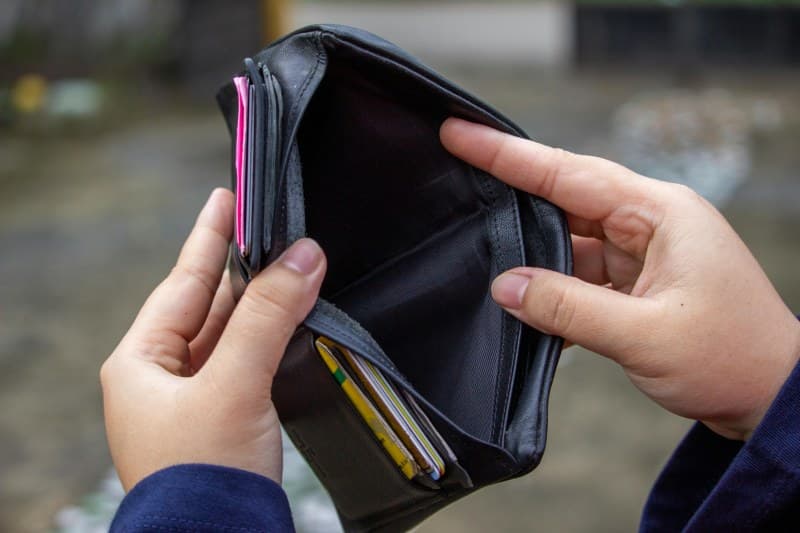
We’ve all been there: You walk into a store for milk, and walk out with a new pair of shoes you didn’t plan to buy. Later that night, you stare at the receipt, stomach twisting with guilt. Why does this feeling hit so hard, and how do you move past it without letting it derail your financial goals?
Why that guilty overspending feeling sticks
At its core, overspending guilt comes from cognitive dissonance—a clash between your actions (buying something non-essential) and your values (saving for a goal like a vacation or emergency fund). Let’s take Sarah’s story: She’d been saving $50 a week for 3 months to go to the beach. Last week, she saw a designer tote bag on sale for $150 and caved. Now, she can’t stop thinking about how that money could’ve gone toward her trip. The guilt isn’t just about the cash—it’s about the opportunity she feels she wasted.
“He who buys what he does not need steals from himself.” — Swedish Proverb
This proverb hits home because overspending on non-essentials takes away from the things you truly care about. It’s not just a purchase—it’s a trade-off you didn’t mean to make.
Here’s a quick breakdown of common overspending triggers and how to ease the guilt right away:
| Trigger | Why It Causes Guilt | Quick Fix |
|---|---|---|
| Impulse buys | Feels like you lost control of your budget | Return the item if possible; adjust next month’s discretionary spending if not |
| Emotional spending (stress/boredom) | You know it’s not a real solution to your feelings | Do a free activity (walk, read) next time the urge hits |
| Social pressure (friends buying things) | You spent to fit in, not because you wanted to | Be honest with friends about your budget; suggest low-cost activities |
6 ways to bounce back from overspending guilt
1. Acknowledge the feeling (don’t ignore it): Guilt is your brain’s way of telling you your actions don’t match your values. Instead of calling yourself “stupid,” try: “I made a choice that doesn’t align with my savings goal—and that’s okay.”
2. Adjust your budget for the next month: If you overspent on clothes, cut back on dining out for 2 weeks. This helps you get back on track without feeling deprived.
3. Turn it into a learning moment: Ask yourself: “What triggered this purchase?” Was it a sale sign? Boredom? Write it down so you can avoid the same trigger next time.
4. Do a small saving act: Transfer $10 to your savings account or skip your daily coffee. This small win helps you regain control over your money.
5. Practice gratitude: List 3 things you’re thankful for that don’t cost money (sunny day, good conversation). This shifts your focus from what you spent to what you already have.
6. Forgive yourself: Everyone makes mistakes. Holding onto guilt won’t change the past—but moving forward will help you reach your future goals.
Myth: Overspending means you’re bad with money
This is one of the biggest myths about financial guilt. Being good with money isn’t about never making a mistake—it’s about having systems to recover when you do. For example, if you have an emergency fund, a one-time overspend won’t derail your entire plan.
Common question: Is it ever okay to splurge without guilt?
Q: I want to treat myself to a nice dinner, but I’m worried about feeling guilty. Is that okay?
A: Yes! Planned splurges are a healthy part of budgeting. If you’ve set aside money for discretionary spending (like dining out or hobbies), using that money for something you enjoy won’t cause guilt. The key is to plan it—so it’s not an impulse buy.
Overspending guilt is normal, but it doesn’t have to control you. By understanding why it happens and using these simple strategies, you can bounce back quickly and get back to working toward your financial goals. Remember: Progress, not perfection, is what matters.