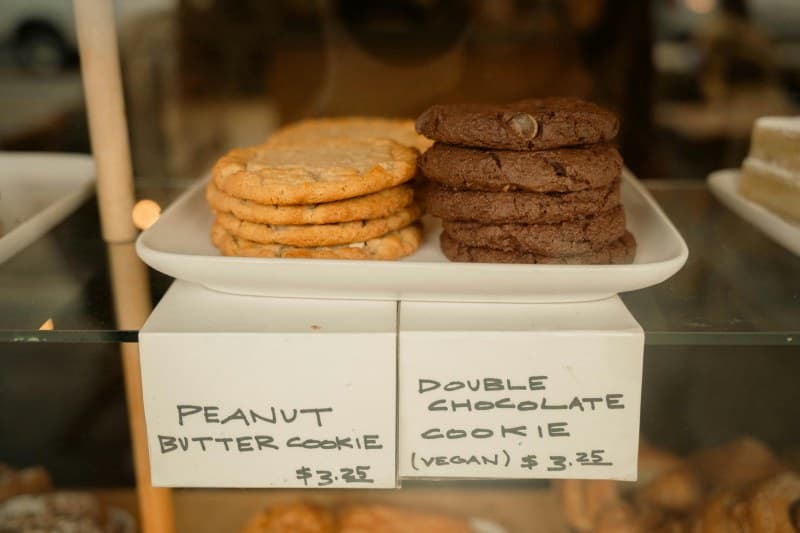
Last weekend, I baked chocolate chip cookies for my neighbor’s kid’s birthday. I followed the recipe to the T—softened butter, exact measurements, preheated oven. But when I pulled them out, they’d spread into a single, lumpy sheet of chocolate chip goodness (or mess, depending on who you ask). My neighbor laughed and said, ‘Happens to everyone!’ But I wanted to know why—and how to fix it.
Why Do Cookies Spread Too Much? The Key Culprits
Cookie spreading isn’t random—it’s usually caused by small missteps in your process. Let’s break down the most common reasons:
| Cause | Quick Fix | Pro Tip |
|---|---|---|
| Butter too soft/melted | Use cold butter (cut into cubes) | Let butter reach 65°F (18°C) — not melted, not rock-hard. |
| Oven not preheated | Preheat 10-15 minutes before baking | Use an oven thermometer to confirm temp (ovens lie!). |
| Too much granulated sugar | Reduce by 1 tbsp or swap 1/4 cup for brown sugar | Brown sugar adds moisture and structure to hold shape. |
| Dough not chilled | Chill for at least 30 minutes | Overnight chilling deepens flavor and slows spread. |
| Wrong flour type | Use all-purpose or bread flour | Avoid cake flour (low protein = less structure). |
5 Easy Fixes to Stop Cookie Spreading
1. Chill Your Dough (Even a Little)
Chilling solidifies the butter, so it doesn’t melt and spread as quickly in the oven. My friend Sarah used to skip this step because she was in a hurry—until she tried a 30-minute chill. Her cookies kept their round shape and were chewier than ever. Now she swears by it.
2. Check Butter Temperature
Butter that’s too soft (or melted) turns into liquid when baked, causing cookies to spread. To get it right: leave butter out for 30 minutes (not hours) or microwave in 5-second bursts until it’s just soft enough to press with your finger.
3. Preheat Properly
An underheated oven means cookies take longer to set, so they spread more. Preheat your oven 10-15 minutes before baking, and use a thermometer to make sure it’s at the right temp. I once realized my oven was 50°F too cold—fixing that alone solved my spreading problem.
4. Adjust Your Sugar
Granulated sugar dissolves quickly and can make cookies spread. Try swapping 1/4 cup of granulated sugar for brown sugar (light or dark) — it adds moisture and helps cookies hold their shape. Plus, it gives them a warm, caramel flavor!
5. Pick the Right Flour
All-purpose flour works for most cookies, but if you want extra chewy, dense cookies, use bread flour (higher protein content). Cake flour is too fine and will make cookies spread more—save it for cakes!
“Baking is a science, but it’s also an art. The best bakers know when to follow the recipe and when to adjust.” — Julia Child
Julia Child’s words ring true here. Small adjustments (like chilling dough or swapping sugar) can turn a flat mess into perfect cookies. You don’t need to be a pro—just pay attention to the little things.
FAQ: Common Cookie Spreading Questions
Q: Is it true that using margarine instead of butter prevents spreading?
A: No! Margarine has more water than butter, which can actually make cookies spread more. Stick to unsalted butter for better control over shape and flavor.
Myth Busting: Do You Need to Chill Dough for Hours?
Myth: You have to chill cookie dough overnight to get perfect shapes.
Truth: While overnight chilling is great for flavor, even 30 minutes of chilling can solidify the butter enough to slow spreading. This is a lifesaver when you’re short on time!
Next time you bake cookies, try one (or all) of these fixes. You’ll be surprised at how much difference a few small changes make. Happy baking! 🍪