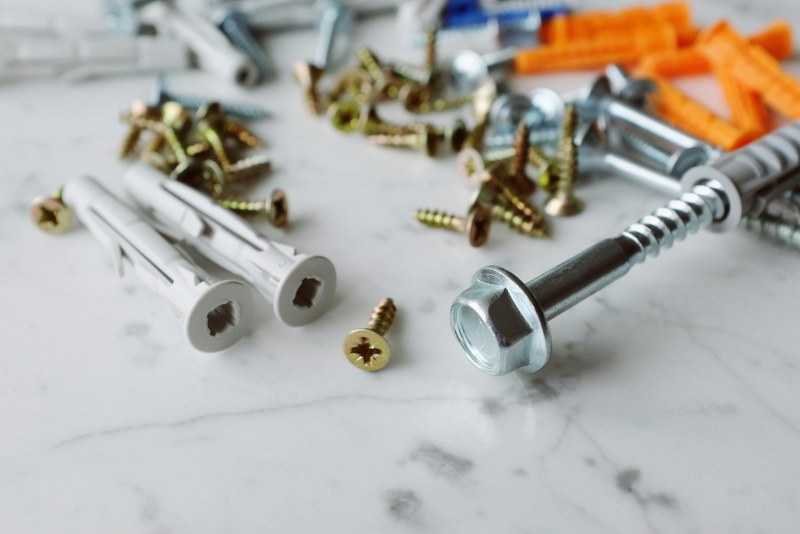
Last week, I needed a small screwdriver to tighten a loose cabinet handle in my kitchen. I knew it was somewhere in the junk drawer—but what I found instead was a chaotic mix of old batteries, a half-used tube of super glue, a broken keychain, and three mismatched socks. By the time I finally dug out the screwdriver, I’d wasted 10 minutes and felt frustrated. Sound familiar? Junk drawers are the hidden chaos of many homes, but they don’t have to stay that way.
Why Junk Drawers Turn Into Chaos
Most junk drawers start with good intentions: a place to stow small, random items that don’t fit anywhere else. But over time, they become cluttered for three main reasons:
- No clear purpose: Without designated sections, items pile up haphazardly.
- “Just in case” syndrome: We hold onto things we might need someday (like that old phone charger from a device we no longer own).
- Lack of maintenance: We never take 10 minutes to sort through and purge the drawer regularly.
5 Practical Ways to Organize Your Junk Drawer
Ready to turn chaos into order? Try these 5 steps:
- Purge first: Empty the entire drawer and sort items into three piles: keep, toss, donate. Be ruthless—if you haven’t used it in 6 months, it’s probably time to let it go.
- Assign zones: Divide the drawer into sections for specific items (e.g., tools, office supplies, batteries).
- Use organizers: Add dividers or small bins to keep zones separate. You can even repurpose old shoe boxes or mason jars!
- Label everything: Stick small labels on each zone so everyone in the house knows where to put things back.
- Schedule monthly checks: Set a reminder to spend 5 minutes each month sorting through the drawer and purging any new clutter.
Organizing Tools: Which Ones Are Worth It?
Not all organizing tools are created equal. Here’s a quick comparison of three popular options:
| Tool Type | Cost (Average) | Ease of Use | Space Efficiency |
|---|---|---|---|
| Plastic Dividers | $5-$15 | High (adjustable to fit most drawers) | Medium (takes up some space but keeps items separate) |
| Small Fabric Bins | $3-$10 each | Medium (can be moved around but may shift) | High (stackable and fits odd-shaped items) |
| Adhesive Drawer Liners | $2-$8 | Low (requires measuring and cutting) | High (protects drawer and adds a clean look without extra space) |
Pro Tips to Keep It Tidy
Once your drawer is organized, here are a few pro tips to maintain it:
- Keep a small trash bag in the drawer for quick tosses (like old receipts or broken pens).
- Store frequently used items (like scissors or tape) in the front of the drawer for easy access.
- Teach your family the “one in, one out” rule: if you add a new item, remove an old one.
“A place for everything, and everything in its place.” — Benjamin Franklin
This age-old wisdom applies perfectly to junk drawers. When every item has a designated spot, it’s easier to keep things organized and find what you need quickly.
Common Question: What Should I Throw Away?
Q: I’m not sure which items to purge from my junk drawer. Any guidelines?
A: Here are a few items you can safely toss:
- Dead batteries (recycle them properly!)
- Broken tools or utensils
- Expired coupons or receipts (unless you need them for taxes)
- Mismatched socks or gloves
- Old phone chargers for devices you no longer own
Organizing your junk drawer doesn’t have to be a big project. With a little time and the right tools, you can turn that chaotic mess into a functional space. Next time you need a screwdriver or a spare battery, you’ll find it in seconds—no more rummaging! Give it a try this weekend; your future self will thank you.