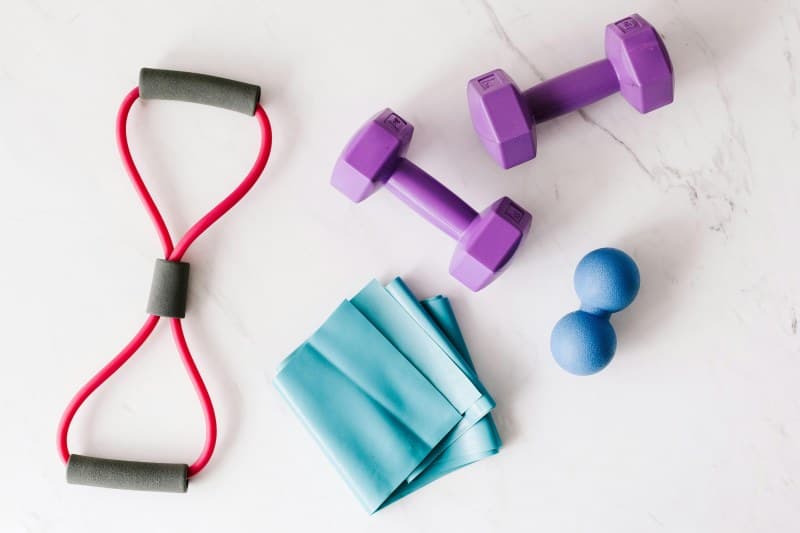
Last month, my friend Mia told me she was stuck. She’d been jogging 2 miles every morning for three months, but lately, she felt slower, and her jeans didn’t fit any looser. She called it her ‘fitness wall’—that frustrating plateau where progress seems to stop dead in its tracks. If you’ve ever felt this way, you’re not alone.
Why Do Casual Fitness Plateaus Happen?
Plateaus are your body’s way of saying it’s adapted to your current routine. Here are the most common reasons:
- Adaptation: Your muscles get used to repeated movements, so they don’t burn as many calories or grow as much.
- Stagnant routine: Doing the same exercises, intensity, or duration every time leaves no room for new challenges.
- Recovery gaps: Skipping rest days or not sleeping enough hinders muscle repair and energy levels.
- Nutrition slumps: Not fueling your body with enough protein, carbs, or water can stall progress.
Common Plateau Types: A Quick Comparison
Let’s break down three common plateau types you might encounter, along with their key causes and quick fixes:
| Plateau Type | Key Cause | Quick Fix |
|---|---|---|
| Routine Stagnation | Doing the same workout every time | Swap one activity (e.g., jogging → cycling) |
| Strength Plateau | Muscles adapted to current weight/reps | Add 5-10% weight or increase reps by 2-3 |
| Endurance Plateau | Stuck on same distance/speed | Add 10% to your distance or 5% to your speed once a week |
7 Ways to Break Through Your Fitness Plateau
- Mix up your routine: Try a new class (yoga, kickboxing) or switch your workout time (morning → evening) to keep your body guessing.
- Add interval training: Insert 30-second sprints into your jog or 1-minute planks into your strength routine for a quick challenge.
- Adjust rest days: Take an extra day off or do active recovery (walking, stretching) to let your muscles repair.
- Tweak your nutrition: Add a protein snack (Greek yogurt, nuts) post-workout or drink an extra glass of water each day.
- Set micro-goals: Instead of “lose weight,” aim to hold a plank for 10 seconds longer or walk an extra block.
- Try a new activity: Hiking, swimming, or even dancing can engage muscles you don’t usually use.
- Track progress differently: Measure how you feel (energy levels, mood) instead of just weight or inches.
Classic Wisdom to Keep You Going
“The only limit to our realization of tomorrow is our doubts of today.” — Franklin D. Roosevelt
This quote rings true for fitness plateaus. Doubting your ability to break through can keep you stuck, but small, consistent changes can lead to big results. Mia, for example, started adding 1-minute sprints to her jogs and noticed a difference in her energy levels within a week.
Myth Busting: What Doesn’t Work (And What Does)
Let’s debunk two common plateau myths:
- Myth: You need to work out longer to break a plateau. Truth: Quality over quantity—shorter, varied workouts are often more effective.
- Myth: Plateaus mean you’re not trying hard enough. Truth: They’re a normal part of the fitness journey; your body is just adapting.
FAQ: Your Plateau Questions Answered
Q: How long should I wait before changing my routine?
A: If you haven’t seen progress in 2-3 weeks, it’s time to mix things up. Sticking to the same routine longer than that will only keep you stuck.
Q: Can rest days really help break a plateau?
A: Yes! Rest allows your muscles to repair and grow, which can help you come back stronger. Mia started taking one extra rest day a week and noticed her jogs felt easier.
Plateaus aren’t a sign of failure—they’re a sign your body is ready for a new challenge. By mixing up your routine, adjusting your habits, and staying patient, you’ll be back on track to reaching your casual fitness goals in no time.