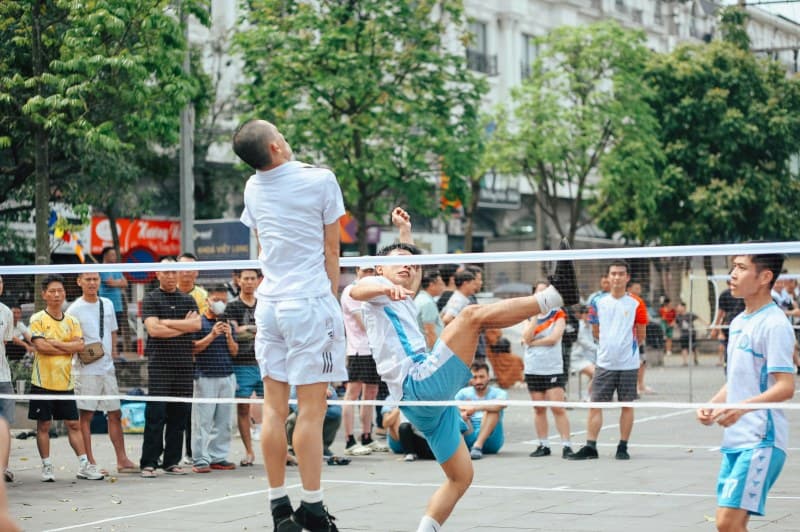
Remember the first time you fell in love with your sport? Maybe it was the rush of scoring a goal, the thrill of a perfect serve, or just the laughter with friends after a casual game. But what happens when that spark fades—after a bad loss, a tough injury, or just the grind of practice? Lila, a 14-year-old soccer player, knows this all too well. She quit playing for months after missing a championship penalty, until her coach asked her: “Do you play because you love winning, or because you love dribbling the ball?” That question shifted everything.
The Two Mindsets That Keep You Going
Keeping your passion alive isn’t about being the best—it’s about adopting the right mindset. Here are the two that make all the difference:
1. The “Process Over Outcome” Mindset
This mindset focuses on the journey, not the end result. Instead of fixating on winning a game, you celebrate small wins: nailing a new drill, improving your reaction time, or even just showing up when you don’t feel like it. For Lila, this meant focusing on how good it felt to dribble around cones, not whether her team won. She started keeping a journal of these small wins, and soon, she was back on the field.
2. The “Community First” Mindset
Sports are rarely solo. This mindset centers on the people you play with—your teammates, coaches, or even the opponents who push you to be better. Think about the post-game high-fives, the inside jokes, or the way your team rallies when you’re down. A study by the American Psychological Association found that athletes who feel connected to their team are 3x more likely to stick with their sport long-term.
Process vs. Community: A Quick Comparison
Wondering which mindset fits you best? Here’s a side-by-side look:
| Mindset | Core Focus | Key Benefit | Common Challenge | Example Scenario |
|---|---|---|---|---|
| Process Over Outcome | Personal growth & small wins | Reduces stress from losing | Staying patient when progress is slow | Practicing free throws every day, even if you don’t make all of them |
| Community First | Team bonds & shared experiences | Adds fun & accountability | Navigating conflicts with teammates | Organizing a casual game with friends to keep the joy alive |
Wisdom from the Pros
“I’ve missed more than 9000 shots in my career. I’ve lost almost 300 games. 26 times, I’ve been trusted to take the game-winning shot and missed. I’ve failed over and over and over again in my life. And that is why I succeed.” — Michael Jordan
Jordan’s words perfectly capture the process mindset. He didn’t let failures define him—he used them to get better. This is the same mindset that keeps athletes going when things get tough.
FAQ: Common Questions About Sports Motivation
Q: What if I don’t have a team or friends to play with?
A: You can still embrace both mindsets! For the process, set personal goals (like running a mile faster or mastering a new skill). For community, join online groups for your sport, watch tutorials, or even teach someone else the basics—sharing your passion can reignite it.
Practical Tips to Apply These Mindsets
- For Process Over Outcome: Keep a “win journal” where you write down one small achievement after every practice or game.
- For Community First: Plan a monthly casual game with friends or join a local recreational league—even if it’s not competitive.
- Both: Mix things up! Try a new variation of your sport (like beach volleyball instead of indoor) to keep it fresh.
At the end of the day, sports are about joy. Whether you’re playing for fun or competition, these two mindsets will help you stay connected to the reason you started in the first place. So grab your gear, l lace up your shoes, and remember—every step, every pass, every laugh counts.