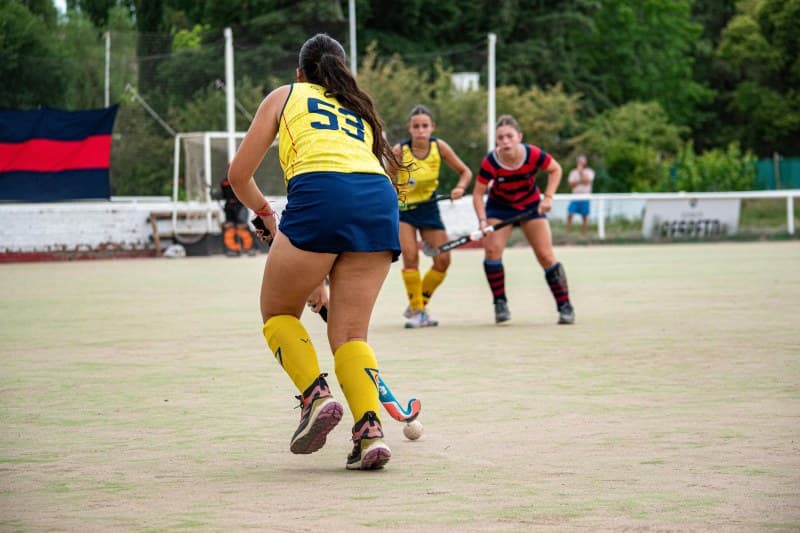
Imagine 14-year-old Mia, a soccer player who always struggled to dribble past defenders. Her coach handed her a set of cones and showed her a simple drill: weave in and out of the cones at full speed, keeping the ball close. After two weeks of daily 15-minute sessions, Mia started gliding past opponents like they weren’t there. That’s the power of targeted sports drills—small, repetitive exercises that turn weak spots into strengths.
What Are Sports Drills, Anyway?
Sports drills are structured, focused exercises designed to build specific skills. Unlike scrimmages (which mimic game conditions), drills zero in on one area—like dribbling, shooting, or agility. They’re the building blocks of athletic ability, turning raw talent into consistent performance.
4 Key Drill Types: A Quick Comparison
Not all drills are created equal. Here’s how four common types stack up:
| Drill Name | Purpose | Pros | Cons |
|---|---|---|---|
| Cone Dribbling (Soccer) | Improve ball control and quick feet | Low equipment needs; easy to adjust difficulty | Less game-like (no opponents) |
| Free Throw Reps (Basketball) | Boost shooting accuracy under pressure | Directly targets a high-impact skill | Can feel monotonous over time |
| Ladder Agility (Track & Field) | Enhance foot speed and coordination | Builds core stability; works for multiple sports | Risk of tripping if form is off |
| Partner Passing (Volleyball) | Refine setting and passing precision | Builds teamwork; mimics game interactions | Requires a partner to practice |
Why Perfect Practice Matters
“Practice does not make perfect. Only perfect practice makes perfect.” — Vince Lombardi
Lombardi’s words hit home when it comes to drills. Doing a drill wrong 100 times won’t help—you need to focus on correct form every rep. For example, if you’re doing free throw drills, make sure your elbow is straight and your follow-through is consistent. That’s how you turn repetition into progress.
Real Athlete Story: Steph Curry’s Free Throw Ritual
Steph Curry, one of the greatest shooters in basketball history, swears by his daily free throw drill. He shoots 500 free throws every day—even on game days. Each shot follows the same routine: dribble three times, align his feet, and release with a high arc. This drill has helped him maintain a career free throw percentage of over 90%—proof that consistent, perfect practice pays off.
FAQ: Common Drill Questions
Q: How often should I do these drills?
A: It depends on your sport and skill level. For beginners, 15–20 minutes of drills 3–4 times a week is enough. Advanced athletes might do 30–60 minutes daily, mixing different drills to keep things fresh.
Final Tips to Get the Most Out of Drills
1. Set goals: Instead of “do cone drills,” aim for “weave through 10 cones in 10 seconds without touching them.”
2. Mix it up: Combine agility drills with skill drills to work multiple areas at once.
3. Ask for feedback: A coach or teammate can spot form mistakes you might miss.
Whether you’re a soccer player, basketball star, or track athlete, drills are the secret to getting better. Start small, focus on perfect form, and watch your skills grow—one rep at a time.