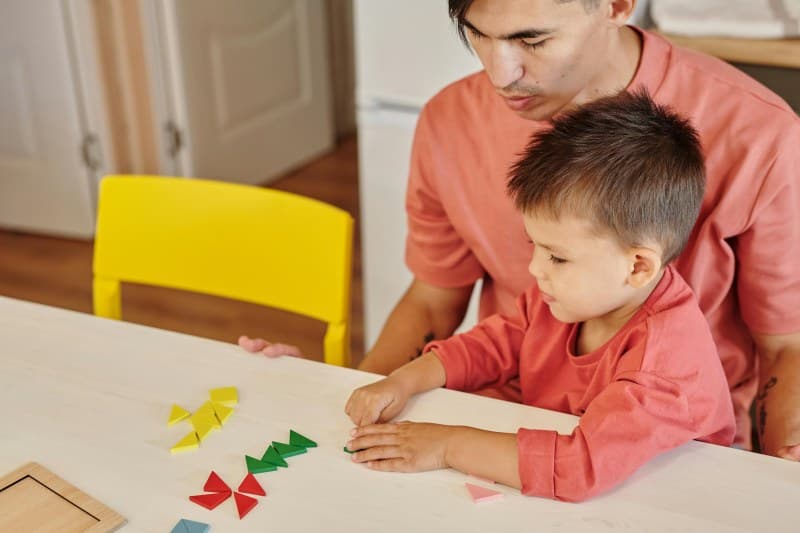
Last week, I watched my neighbor Sarah make peanut butter toast with her 7-year-old, Lila. Instead of rushing through breakfast, Sarah asked, ‘What’s the silliest thing your stuffed bear did last night?’ Lila lit up, rambling about Mr. Fluff’s midnight ‘dance party’ on her bed. That 2-minute chat wasn’t a deep heart-to-heart—but it’s the kind of moment that sticks with kids. These small daily interactions are the glue of parent-child bonds, and they’re often more powerful than planned ‘quality time’.
What Are Small Daily Communication Moments?
These are the unplanned, brief exchanges that happen during routine tasks: making breakfast, walking to school, folding laundry, or tucking in at night. Unlike formal ‘talks’ about grades or behavior, they’re low-pressure, playful, and focused on connection rather than correction. They let kids know you’re present, even when life is busy.
6 Key Types of Small Daily Communication Moments
Here’s a breakdown of the most impactful types, with examples and how they help:
| Type | Example | Impact |
|---|---|---|
| Routine Check-ins | “How was your art class today? Did you use the new markers?” | Builds a daily habit of sharing and shows you care about their interests. |
| Playful Banter | “If you could turn your lunch into a superhero, what would its power be?” | Sparks creativity and makes conversation feel fun, not like a chore. |
| Listening Without Fixing | Kid rants about a friend: “That sounds really frustrating—how did that make you feel?” | Teaches emotional validation and lets kids feel heard without judgment. |
| Shared Observation | “Look at that cloud! It looks like a dragon breathing fire.” | Creates shared, memorable moments and encourages curiosity about the world. |
| Gratitude Shoutouts | “Thanks for helping me carry the groceries—you’re such a great helper.” | Fosters appreciation and builds a child’s self-esteem. |
| Bedtime Reflection | “What was one thing that made you smile today? Mine was hearing your joke at dinner.” | Ends the day on a positive note and reinforces happy memories. |
Why These Moments Matter More Than Big Talks
Big, planned conversations can feel intimidating for kids. They might hold back because they think they have to say the “right” thing. Small moments, though, are low-stakes—kids open up naturally when they don’t feel pressured.
“The small, daily moments are the ones that shape a child’s sense of belonging.” — Fred Rogers
Rogers knew that consistent, tiny acts of connection build trust over time. A kid who feels heard in the morning will be more likely to come to you with bigger problems later.
Common Questions
Q: I’m super busy—how can I fit these moments into my day?
A: You don’t need extra time! Add them to existing routines: chat while brushing teeth, comment on their favorite show during dinner, or ask a silly question on the way to soccer practice. Even 1-2 minutes a day adds up to a stronger bond.
Q: What if my kid doesn’t want to talk?
A: Don’t push it. Try a playful question or share something about your day first (e.g., “I saw a cat wearing a hat on my way to work—weird, right?”). Sometimes kids need a little nudge to open up.
Final Thought
You don’t have to be a perfect parent to build a strong bond. Just show up in the small moments: ask a silly question, listen without fixing, or say thanks for a tiny help. These are the moments your kid will remember when they’re older.