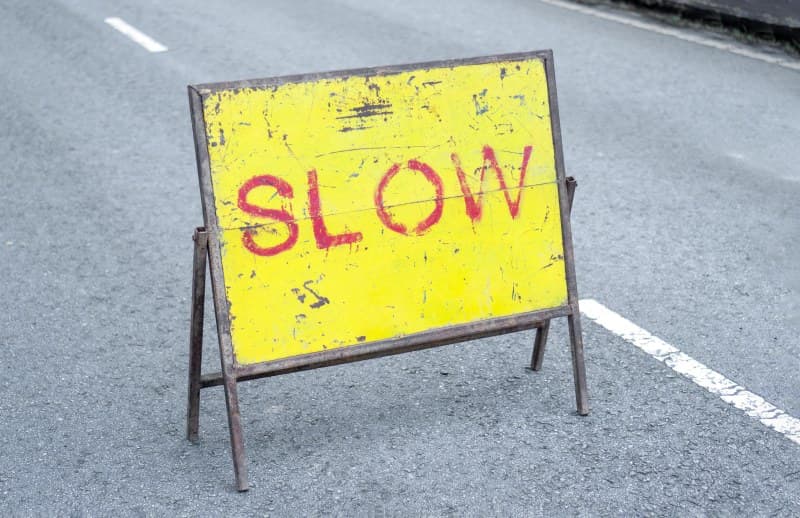
Last year, my friend Sarah and I planned separate European trips. Sarah packed 5 countries into 10 days—she snapped photos at the Eiffel Tower, Colosseum, and Sagrada Família but complained about feeling rushed. I spent 10 days in Lisbon: I stayed in a family-run guesthouse, learned to make pastéis de nata, and walked the cobblestone streets every morning. We both had great trips, but our experiences couldn’t have been more different. That’s the magic (and confusion) of choosing between slow and fast travel.
What Are Slow and Fast Travel?
Slow Travel: Savoring the Small Moments 🌿
Slow travel is about quality over quantity. It means spending days or weeks in one place, engaging with locals, and soaking in the culture. You might skip the tourist traps to visit a neighborhood market, take a cooking class, or just sit at a café and watch the world go by. My Lisbon trip was slow: I made friends with the guesthouse owner, who taught me to play fado (Portuguese folk music) and took me to a hidden beach.
Fast Travel: Checking Off the List ✈️
Fast travel is for those who want to see as many iconic spots as possible in a short time. It’s about hopping from city to city, visiting landmarks, and taking photos to remember the trip. Sarah’s trip was fast: she flew from Paris to Rome to Barcelona in 3 days, each time spending a few hours at the main attractions before moving on. She said she loved seeing so much, but she wished she’d had time to eat a proper meal in each place.
To help you compare, here’s a side-by-side look at the two styles:
| Aspect | Slow Travel | Fast Travel |
|---|---|---|
| Focus | Cultural depth & local connections | Sightseeing & iconic landmarks |
| Duration per place | Days/weeks | Hours/days |
| Cultural immersion | High (learn local customs, talk to residents) | Low (quick stops, limited interactions) |
| Cost | Variable (may save on transport, but spend more on experiences) | Higher (more flights/trains, quick meals) |
| Stress level | Low (flexible schedule) | High (tight itineraries) |
Travel is not about the destination, but the journey. — Ralph Waldo Emerson
This quote fits both styles. Slow travel embraces the journey’s small moments (like learning to make pastéis de nata), while fast travel is about the journey of seeing many places. The key is to choose the journey that makes you happy.
Which Style Fits Your Travel Goals?
Pick Fast Travel If...
You have limited time (like a week off work) and want to see as many iconic spots as possible. For example, a 5-day trip to Japan: Tokyo (2 days) for skyscrapers and sushi, Kyoto (2 days) for temples and tea ceremonies, and Osaka (1 day) for street food. It’s a great way to get a taste of a country quickly.
Pick Slow Travel If...
You want to connect with local culture and avoid rush. For example, a 2-week trip to Bali: Stay in a village, take a yoga class, learn to make traditional crafts, and visit local rice terraces. You’ll leave with stories and friendships, not just photos.
FAQ: Can I Mix Slow and Fast Travel?
Q: I love the idea of slow travel, but I also want to see multiple places. Can I mix both styles?
A: Absolutely! Many travelers do this. For instance, take a quick flight to a country (fast) then spend a week exploring a small region (slow). Like flying to Mexico City (fast) then spending 7 days in Oaxaca, trying mole sauce, visiting weaving villages, and hiking in the mountains. It’s the best of both worlds.
At the end of the day, there’s no right or wrong way to travel. Whether you’re checking off landmarks or savoring a cup of coffee with a local, the goal is to have a trip that feels meaningful to you. So pack your bags, pick your style, and go explore!