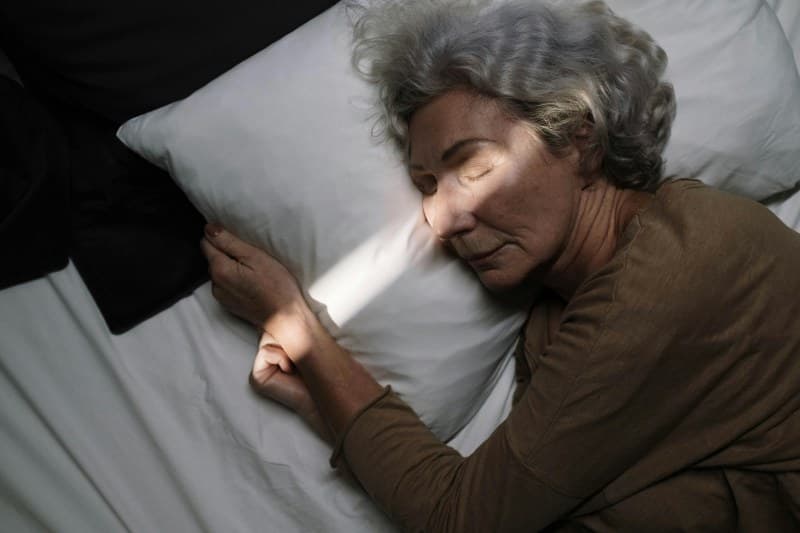
Ever slept 8 hours but still dragged through your morning coffee run, wondering why you felt like you’d pulled an all-nighter? Sarah, a graphic designer in Chicago, had this problem for months. She went to bed at 11 PM one night, 2 AM the next, and 10 PM the third—even though she hit the 8-hour mark most days, her energy levels were all over the place. Turns out, sleep isn’t just about how long you rest; it’s about what happens while you’re asleep.
6 Key Factors That Link Sleep to Your Daily Energy
These factors work together to determine whether you wake up feeling refreshed or groggy. Let’s break them down:
| Factor | What It Does | Energy Impact |
|---|---|---|
| Consistency | Going to bed/waking up at the same time daily (even weekends) | Stabilizes your circadian rhythm; reduces midday slumps |
| Deep Sleep Duration | Slow-wave sleep that repairs muscles and brain cells | Boosts physical energy and mental clarity |
| REM Sleep Quality | Dream stage that supports memory and mood | Improves focus and emotional resilience |
| Pre-Sleep Routine | Activities like reading or stretching before bed | Helps you fall asleep faster and stay in deep sleep longer |
| Sleep Environment | Dark, cool, quiet space with no screens | Minimizes disruptions; enhances sleep depth |
| Nighttime Disruptions | Waking up to use the bathroom or noise | Breaks sleep cycles; leaves you feeling unrefreshed |
Sarah decided to test consistency first. She set a fixed bedtime of 10:30 PM and wake-up time of 6:30 AM. After two weeks, her midday crashes vanished—she no longer needed a second coffee by 2 PM. That’s the power of one small factor!
Common Myths About Sleep and Energy (Debunked)
- Myth: 8 hours is the magic number for everyone.
Truth: Some people thrive on 7 hours; others need 9. It’s about quality, not just quantity. - Myth: Napping ruins nighttime sleep.
Truth: A 20-minute power nap (before 3 PM) can boost energy without disrupting your nightly rest. - Myth: You can “catch up” on sleep over the weekend.
Truth: This leads to “social jetlag,” which messes with your circadian rhythm and leaves you feeling tired all week.
“Sleep is the best meditation.” — Dalai Lama
This quote rings true because quality sleep is like a reset button for your body and mind. It’s not just about resting—it’s about healing and recharging so you can show up fully each day.
Quick FAQ: Sleep & Energy
Q: I sleep 8 hours but still feel tired. What’s wrong?
A: Check your sleep consistency and environment. Are you going to bed at different times? Is your room too bright or warm? Even small disruptions can affect how refreshed you feel.
Q: Can exercise help improve my sleep energy?
A: Yes! Regular exercise (like a 30-minute walk) can deepen your sleep and boost energy levels. Just avoid intense workouts within 3 hours of bedtime.
Final Thoughts
Sleep is a personal journey—what works for Sarah might not work for you. Start small: pick one factor (like consistency) and test it for a week. You’ll be surprised at how much a tiny change can boost your daily energy. Remember, sleep isn’t a luxury; it’s a foundation for a healthy, energetic life.