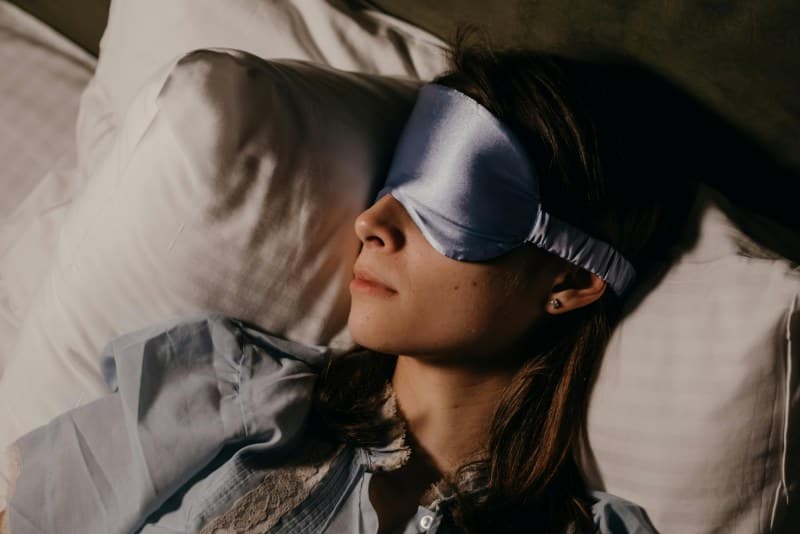
Let’s start with Lila: a 32-year-old graphic designer who stays up till 1 AM scrolling Instagram, drinks a latte at 4 PM to beat the slump, and wonders why she lies awake for an hour every night. Sound familiar? Many of us unknowingly do things that mess with our sleep—small habits that add up to restless nights. Let’s break down the 6 most common culprits and how to fix them.
6 Habits That Sabotage Your Sleep Quality
1. Late-afternoon caffeine
Caffeine has a half-life of 6-8 hours, meaning a 4 PM coffee still leaves half the stimulant in your system at 10 PM. Lila cut her coffee to before 2 PM, and suddenly she was dozing off 15 minutes after getting in bed.
2. Screen time 1 hour before bed
Blue light from phones suppresses melatonin, the sleep hormone. Swap scrolling for a book or gentle stretching—Lila tried this and noticed her eyes felt less strained, too.
3. Irregular sleep schedule (weekend vs weekday)
Going to bed 2 hours later on weekends disrupts your circadian rhythm. Even 30 minutes of consistency helps—Lila started waking up at 8 AM every day, even Sundays.
4. Heavy meals or spicy food at night
Digestion takes energy, and spicy foods can cause heartburn. Lila switched her 9 PM pizza to a light salad or yogurt, and no more midnight acid reflux.
5. Alcohol before bed
While alcohol makes you drowsy, it disrupts deep sleep. Lila stopped having a glass of wine after dinner and woke up feeling more refreshed.
6. Napping longer than 30 minutes
Long naps can make it harder to fall asleep at night. Lila cut her 1-hour nap to 20 minutes, and her evening sleep improved.
How These Habits Compare: Impact & Fix Effort
Here’s a quick look at how each habit affects your sleep and how easy it is to fix:
| Habit | Impact Level | Fix Difficulty | Science Note |
|---|---|---|---|
| Late caffeine | High | Easy | Caffeine blocks adenosine, the sleep-inducing chemical. |
| Screen time before bed | High | Medium | Blue light reduces melatonin by up to 50%. |
| Irregular schedule | Medium | Hard | Circadian rhythm takes 1-2 weeks to adjust. |
| Heavy night meals | Medium | Easy | Digestion increases body temperature, delaying sleep. |
| Alcohol before bed | High | Medium | Alcohol suppresses REM sleep, the restorative stage. |
| Long naps | Low | Easy | Long naps reduce sleep drive at night. |
A Classic Wisdom on Sleep
“Early to bed and early to rise makes a man healthy, wealthy, and wise.” — Benjamin Franklin
Franklin’s advice isn’t just old-fashioned. Modern research shows that consistent sleep times (even if you’re not an early bird) boost mood, focus, and overall health. Lila found that sticking to a 10 PM bedtime (her version of “early”) made her more productive at work—proof that Franklin was onto something.
FAQ: Can I Make Up for Lost Sleep on Weekends?
Q: I stay up late during the week—can I sleep in on weekends to catch up?
A: While sleeping in can help a little, it’s not a perfect fix. Sleep debt accumulates over time, and irregular schedules disrupt your circadian rhythm. Instead, try going to bed 15 minutes earlier each night during the week to gradually reduce debt.
Small changes go a long way. Lila didn’t fix all her habits at once—she started with cutting late caffeine, then added screen-free evenings. Within a month, she was sleeping 7 hours straight and waking up without hitting snooze. What habit will you try first?