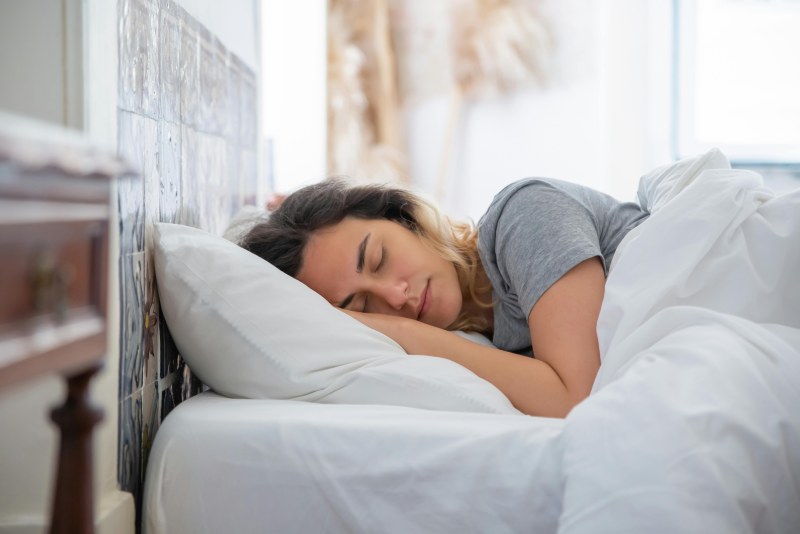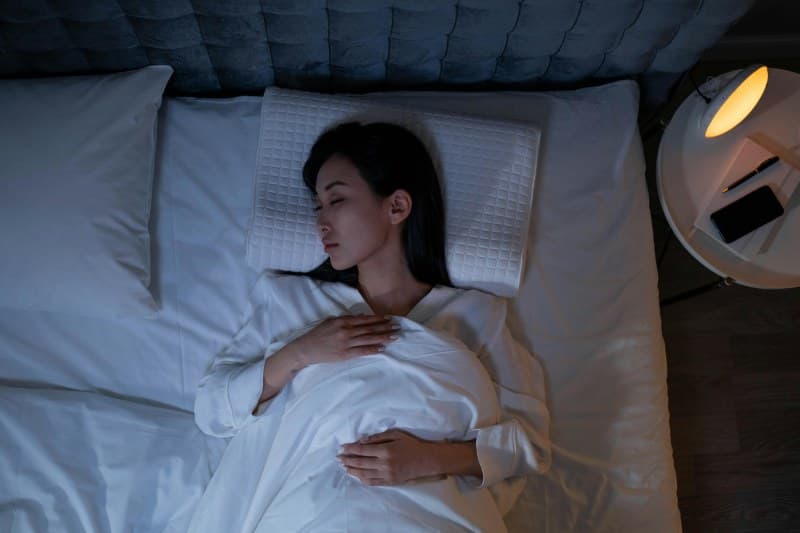
Let’s start with a relatable story: My friend Sarah used to toss and turn for hours every night. She tried meditation apps, herbal teas, and even white noise machines—but nothing stuck. Then she made two tiny, consistent changes: she started going to bed at the same time every day (even weekends) and put her phone away an hour before sleep. Within two weeks, she was waking up without an alarm,and feeling actually rested.
The Two Habits That Transform Sleep Quality
1. Consistent Sleep-Wake Schedule (Even on Weekends)
Your body runs on a circadian rhythm—a 24-hour internal clock that regulates sleep, hunger, and energy. When you shift your bedtime by 2+ hours on weekends, you throw this rhythm off (think: jet lag without the travel). For Sarah, this meant Monday mornings felt like a struggle. She fixed it by setting a strict 10 PM bedtime and 6 AM wake-up time, no exceptions. After two weeks, her body started craving sleep at 10 PM naturally.
2. Blue Light Curfew 1 Hour Before Bed
Blue light (from phones, TVs, and laptops) suppresses melatonin—the hormone that tells your body it’s time to sleep. Sarah used to scroll her Instagram till 11 PM, then lie awake for 45 minutes. She swapped her phone for a physical book, and her time to fall asleep dropped to 15 minutes. Pro tip: If you must use a device, turn on night mode (it reduces blue light).
Here’s how these two habits stack up:
| Habit | Effort Level | Time to See Results | Pros | Cons |
|---|---|---|---|---|
| Consistent Schedule | Low (just stick to times) | 1-2 weeks | Stabilizes circadian rhythm; wakes you up refreshed | Hard to maintain on special occasions |
| Blue Light Curfew | Medium (requires swapping devices for other activities) | 3-5 nights | Faster time to fall asleep; better deep sleep | Might miss urgent messages (use Do Not Disturb) |
Common Sleep Myths Debunked
Let’s clear up two persistent myths:
- Myth: You need exactly 8 hours of sleep. Truth: Most adults need 7-9 hours, but some thrive on 6 or 10. Listen to your body—if you wake up without an alarm and feel energized, you’re getting enough.
- Myth: Alcohol helps you sleep. Truth: Alcohol may make you drowsy, but it disrupts deep sleep (the restorative phase). You’ll likely wake up groggy even if you sleep 8 hours.
“Sleep is the best medicine.” — Aristotle
This ancient wisdom still holds. The two habits we’ve discussed help your body enter deep sleep, where healing and repair happen. Without quality sleep, even the best diet or exercise routine won’t work as well.
FAQ: Can These Habits Work for Night Shift Workers?
Q: I work night shifts—can I still benefit from these habits?
A: Yes! The key is consistency. If you sleep from 9 AM to 5 PM every day, stick to that schedule (even on days off). Use blackout curtains to block daylight, and follow the blue light curfew before your sleep time (e.g., put devices away at 8 AM). Your body will adjust to this new rhythm over time.
Small, consistent changes beat big, unsustainable ones. Try one habit first—maybe the blue light curfew—and see how it feels. You might be surprised at how much better you sleep.