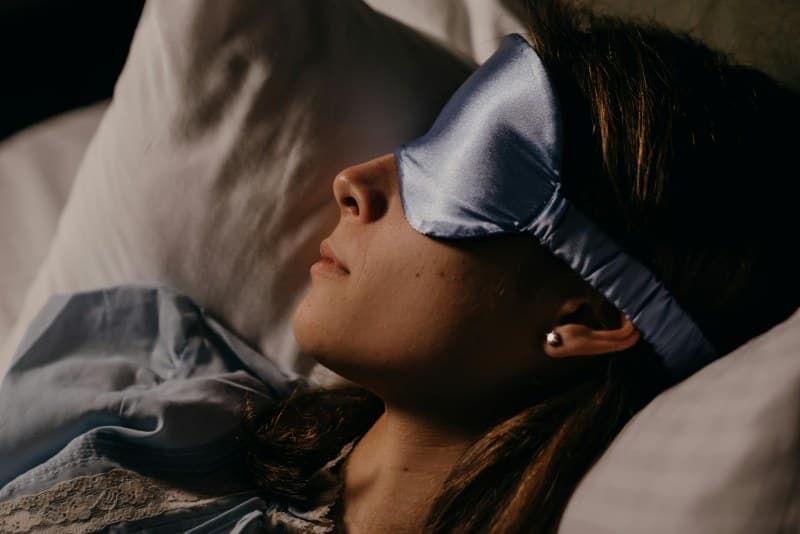
Ever had a night where you clocked 8 full hours of sleep but woke up feeling like you barely closed your eyes? Sarah, a graphic designer in Chicago, knows this all too well. She goes to bed at 11 PM and wakes up at 7 AM every day, but still reaches for her third coffee by 2 PM. The problem isn’t how long she sleeps—it’s the quality of that sleep.
What Is Sleep Quality, Anyway?
Sleep quality refers to how well you sleep, not just how long. It’s about whether you cycle through all the sleep stages (light, deep, REM) without interruptions. Poor quality sleep can leave you groggy, irritable, and less focused—even if you hit the 8-hour mark.
7 Key Factors Shaping Sleep Quality
Let’s break down the main things that affect how restful your sleep is:
- Sleep cycle consistency: Going to bed and waking up at the same time every day (even on weekends) helps your body’s internal clock stay in sync.
- Light exposure before bed: Blue light from phones, TVs, and laptops suppresses melatonin, the hormone that helps you fall asleep.
- Bedroom temperature: Cooler rooms (60-67°F / 15-19°C) are ideal for deep sleep—your body temperature drops as you drift off.
- Noise levels: Even subtle sounds (like a distant car horn or a partner’s snoring) can disrupt deep sleep stages.
- Mattress and pillow support: A mattress that’s too soft or hard can cause aches and wake you up throughout the night.
- Pre-sleep routine: Calming activities (reading, stretching) signal your body it’s time to wind down, while stimulating ones (gaming, work) do the opposite.
- Alcohol and caffeine intake: Caffeine after 2 PM can interfere with sleep, and alcohol—even a small glass—disrupts REM sleep (the stage where you dream and process emotions).
Good vs Poor Sleep Habits: A Quick Comparison
Let’s see how small choices impact your sleep quality:
| Factor | Good Habit | Poor Habit | Impact |
|---|---|---|---|
| Consistency | Wake up at 7 AM daily | Sleep in till 10 AM on weekends | Disrupts circadian rhythm, leading to Monday morning grogginess |
| Light Exposure | Read a physical book before bed | Scroll social media for 1 hour pre-sleep | Delays melatonin release, making it harder to fall asleep |
| Temperature | Keep room at 65°F | Sleep with heater on high | Prevents body from cooling down, reducing deep sleep time |
| Alcohol | Avoid alcohol 3+ hours before bed | Have a glass of wine right before sleep | Disrupts REM sleep, leading to fragmented rest |
A Timeless Take on Sleep
“Early to bed and early to rise, makes a man healthy, wealthy, and wise.” — Benjamin Franklin
Franklin’s famous line isn’t just about being an early bird—it’s about consistency. Sticking to a regular sleep schedule (whether early or late, as long as it’s consistent) is key to good sleep quality and overall wellness.
Common Q&A About Sleep Quality
Q: I sleep 8 hours every night but still feel tired. What’s wrong?
A: It’s probably about quality, not quantity. Check if you’re waking up mid-sleep cycle (use a sleep tracker to see), or if your bedroom is too warm, noisy, or bright. Also, avoid caffeine after 2 PM and alcohol before bed—both can ruin deep sleep.
Simple Adjustments to Boost Your Sleep Quality
You don’t need fancy gadgets to improve your sleep. Try these small changes:
- Set a consistent sleep/wake time (even on weekends).
- Turn off all screens 1 hour before bed (use a blue light filter if you can’t).
- Keep your bedroom cool and dark (use blackout curtains or an eye mask).
- Invest in a supportive mattress and pillow (replace them every 7-10 years).
- Swap your pre-sleep scroll for a 10-minute stretch or a chapter of a book.
By focusing on these small, consistent changes, you can turn those groggy mornings into energized ones—just like Sarah did. After adjusting her sleep routine (she now reads instead of scrolling and keeps her room at 65°F), she no longer needs that third coffee to get through the day.