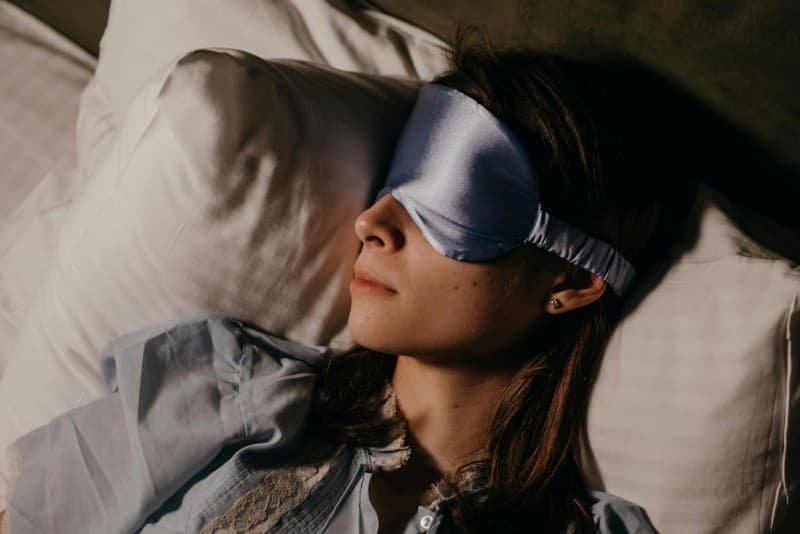
Maria’s alarm blares at 7 AM. She’s slept 8 hours, but her eyes feel heavy, and her brain is foggy. “Why am I still tired?” she wonders. The answer might lie in her sleep cycles—not just how long she slept, but the quality of each stage.
What Are Sleep Cycles, Anyway?
Sleep isn’t a static state. It’s a series of repeating cycles, each lasting about 90 minutes. Each cycle has four main stages: light sleep, deeper light sleep, deep sleep, and REM (rapid eye movement) sleep. Over a night, you’ll go through 4-5 of these cycles.
7 Key Elements of Sleep Cycles
To understand sleep cycles, let’s break down their core components:
- 1. Cycle duration: ~90 minutes per cycle.
- 2. N1 stage: Transition from wakefulness to sleep (5-10 mins).
- 3. N2 stage: Light sleep where your body relaxes (20-30 mins per cycle).
- 4. N3 stage: Deep sleep—critical for physical recovery (20-40 mins early in the night).
- 5. REM stage: Dreaming and cognitive recovery (longer as the night progresses).
- 6. Cycle repetition: 4-5 cycles per 7-9 hours of sleep.
- 7. Sleep architecture: The pattern of stages (deep sleep early, REM late).
Here’s a quick comparison of the four main sleep stages:
| Stage | Duration per Cycle | Key Features | Purpose |
|---|---|---|---|
| N1 | 5-10 mins | Light sleep, easy to wake up, muscle twitches. | Transition to sleep. |
| N2 | 20-30 mins | Heart rate slows, body temperature drops. | Prepares for deep sleep. |
| N3 | 20-40 mins (early night) | Deep sleep, hard to wake up, growth hormone release. | Physical recovery, memory consolidation. |
| REM | 10-60 mins (late night) | Rapid eye movement, dreaming, brain activity high. | Cognitive recovery, emotional processing. |
Common Myths About Sleep Cycles
Let’s bust a few myths:
- Myth: You can skip deep sleep and still feel rested.
Fact: Deep sleep is essential for repairing muscles and consolidating memories. Skipping it leads to fatigue and poor focus. - Myth: Dreams only happen in REM sleep.
Fact: While most vivid dreams are in REM, you can dream in other stages too—they’re just less memorable.
How to Support Healthy Sleep Cycles
Small changes can help your body follow its natural sleep cycles:
- Stick to a consistent sleep schedule (even on weekends).
- Avoid blue light from screens 1 hour before bed (use dim lights instead).
- Keep your bedroom dark and cool (around 60-67°F/15-19°C).
Classic Wisdom on Sleep
“Early to bed and early to rise, makes a man healthy, wealthy, and wise.” — Benjamin Franklin
Franklin’s words highlight the importance of a consistent sleep routine, which helps maintain regular sleep cycles. Going to bed and waking up at the same time each day trains your body to follow its natural rhythm.
FAQ: Your Sleep Cycle Questions Answered
Q: If I wake up in the middle of a sleep cycle, should I go back to sleep?
A: It depends. If you have at least 90 minutes left before your planned wake-up time, try to fall back asleep to complete the cycle. If not, get up—staying in bed tossing and turning can disrupt your rhythm further.
Understanding your sleep cycles is the first step to better rest. By paying attention to the quality of your sleep (not just the duration), you can wake up feeling refreshed and ready to take on the day.