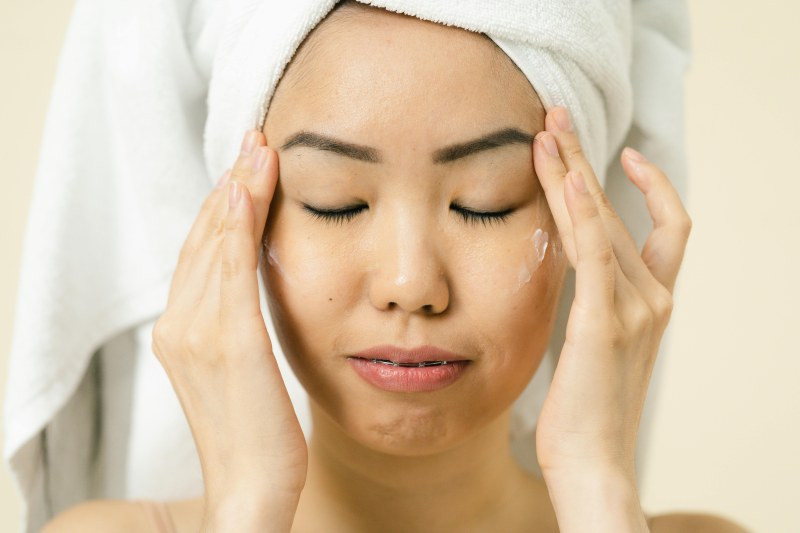
If you’ve ever scrolled through skincare TikTok or chatted with a friend about their routine, you know how confusing it can get. One person swears coconut oil fixes all their skin issues; another says retinol is way too harsh for sensitive skin; and your mom insists ‘natural’ is the only way to go. It’s easy to get stuck in a loop of conflicting advice. Let’s break down 7 common skincare ingredient myths to help you cut through the noise and make choices that actually work for your skin. 🌿
The 7 Myths We’re Busting Today
Let’s cut to the chase with a quick comparison of the myths you’ve probably heard and what science actually says:
| Myth | Truth |
|---|---|
| Natural ingredients are always better than synthetic ones. | Synthetic ingredients (like hyaluronic acid) can be more effective and stable. For example, lab-made hyaluronic acid holds 1000x its weight in water—something natural sources can’t always match. |
| You need 10+ products for a good skincare routine. | A simple 3-step routine (cleanse, moisturize, SPF) works for most people. Adding too many products can irritate your skin barrier. |
| Retinol is only for anti-aging. | Retinol helps with acne (unclogs pores), texture (smoothes fine lines), and hyperpigmentation (fades dark spots) too. |
| Oily skin doesn’t need moisturizer. | Oily skin can be dehydrated—moisturizer balances oil production. Skipping it may make your skin produce more oil to compensate. |
| Vitamin C works instantly. | It takes 4-6 weeks of consistent daily use to see visible results (like brighter skin or faded dark spots). |
| Exfoliating every day is good for your skin. | Over-exfoliation damages the skin barrier, leading to redness, dryness, and sensitivity. Most people only need to exfoliate 1-2 times a week. |
| SPF is only needed on sunny days. | UVA rays (which cause aging) penetrate clouds and glass. Daily SPF is the best way to protect your skin from long-term damage. |
Why These Myths Stick Around
Social Media Over-Simplification
Social media is full of quick, catchy tips that skip context. For example, someone might post a video saying “coconut oil is a miracle moisturizer” but fail to mention it clogs pores for people with oily or acne-prone skin. These tips go viral because they’re easy to remember, but they don’t account for individual skin types.
Marketing Buzzwords
Brands love using words like “natural,” “clean,” or “chemical-free” to sell products. But here’s the thing: everything is made of chemicals—even water! A product labeled “natural” doesn’t automatically mean it’s safer or more effective. For example, some natural ingredients (like essential oils) can be irritating for sensitive skin.
How to Apply This to Your Routine
Start with the Basics
You don’t need a shelf full of products. Focus on the three non-negotiables: a gentle cleanser (to remove dirt and makeup), a moisturizer (to keep skin hydrated), and SPF (to protect from sun damage). Once you have those down, you can add other ingredients (like retinol or vitamin C) if you want to target specific concerns.
Patch Test New Ingredients
Before adding a new product to your routine, patch test it. Apply a small amount to the inner part of your arm and wait 24-48 hours. If you don’t see any redness or irritation, it’s safe to use on your face. This is especially important for ingredients like retinol or acid exfoliants.
Skincare isn’t one-size-fits-all. The best routine is the one that works for your skin type and lifestyle. Don’t let myths scare you away from trying new things, but always do your research (or talk to a dermatologist if you’re unsure). Remember: simple is often better, and consistency beats perfection. 🌿