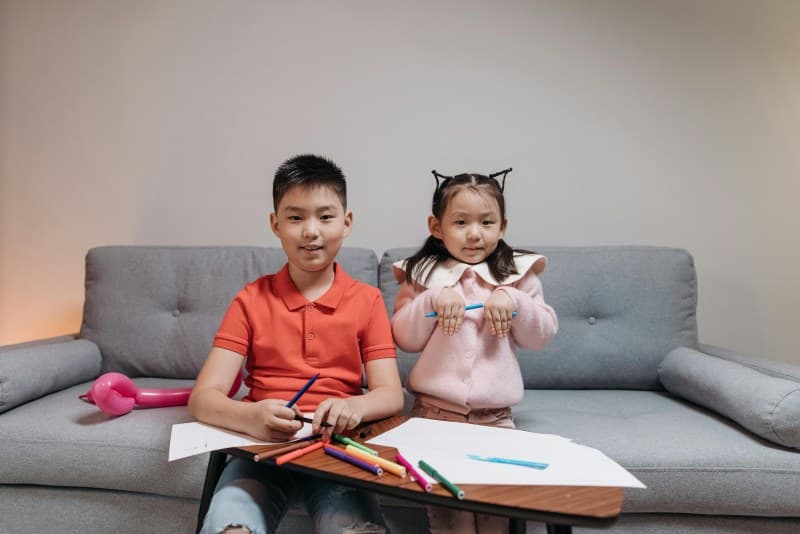
Lila and Jake grew up bickering over everything—from the last cookie to who got to sit in the front seat. As teens, they barely spoke; Jake was into sports, Lila into art, and their worlds felt miles apart. But when their mom got sick in their 30s, they found themselves side by side, sharing late-night hospital visits and old memories. Today, they’re each other’s go-to for advice, proving that sibling bonds can shift and grow over time.
What Is Sibling Bonding Over Time?
Sibling bonds are unique—they’re the longest-lasting relationships most people have, spanning childhood, adulthood, and beyond. Unlike friendships or romantic relationships, they’re rooted in shared history and family ties, which means they can weather ups and downs that might break other connections.
The 6 Key Stages of Sibling Bonding
Every sibling relationship goes through distinct phases. Here’s a breakdown of the six main stages:
| Stage Name | Age Range | Key Traits | Bonding Opportunities |
|---|---|---|---|
| Toddler & Preschool | 2-5 years | Playful rivalry, sharing struggles, imitating each other | Joint playtime (e.g., building blocks), family storytime |
| School Age | 6-12 years | Teamwork (e.g., homework help), friendly competition | Group activities (sports teams, board games) |
| Teen Years | 13-18 years | Independence, drifting apart, occasional conflict | Shared chores, attending family events together |
| Young Adulthood | 19-25 years | Focus on career/relationships, limited contact | Visits during holidays, checking in via text |
| Mid-Adulthood | 26-50 years | Reconnecting, supporting each other through life changes (kids, career) | Family vacations, celebrating milestones together |
| Senior Years | 50+ years | Deepened bond, sharing life wisdom, caregiving roles | Regular phone calls, reminiscing about childhood |
Common Myths About Sibling Bonds
Let’s bust a few myths that often cloud our view of sibling relationships:
Myth 1: Sibling rivalry means a bad relationship
Rivalry is normal! It’s how kids learn to negotiate and share. Lila and Jake’s childhood fights didn’t stop them from becoming close later—they just needed time to grow.
Myth 2: Siblings who drift apart can’t reconnect
As Lila and Jake’s story shows, life events (like a parent’s illness) can bring siblings back together. Even without a crisis, small gestures can reignite the bond.
Practical Tips to Nurture Sibling Bonds
- 💡 Start small: Send a quick text about a shared memory (e.g., "Remember when we snuck ice cream before dinner?") to break the ice.
- 💡 Plan low-pressure activities: A coffee date or walk in the park is less stressful than a big family gathering.
- 💡 Listen without judgment: Let your sibling vent about their problems—you don’t have to fix everything.
FAQ: Can Sibling Bonds Be Repaired?
Q: I haven’t spoken to my sibling in years. Is it too late to reconnect?
A: No! Many siblings successfully reconnect by reaching out with a simple, non-confrontational message. For example, "I was thinking about you today and wanted to say hi." Give them time to respond—don’t push for a long conversation right away.
A Word on Sibling Bonds
"Siblings are the people we practice on, the people who teach us about fairness and cooperation and kindness and caring—quite often the hard way." — Pamela Dugdale
This quote captures the essence of sibling relationships: they’re messy, but they teach us some of life’s most important lessons. Whether you’re close to your sibling or not, remember that the bond is always there, waiting to be nurtured.