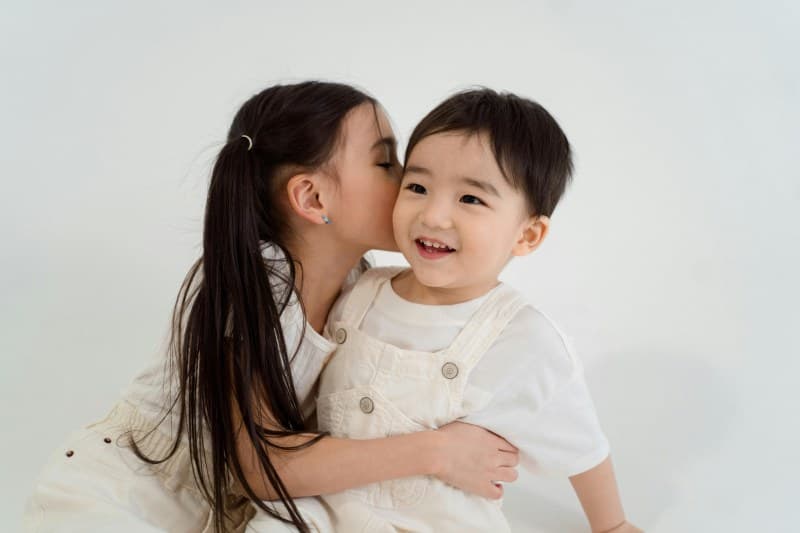
When I was 8, my older sister and I fought tooth and nail over a frayed pink doll. But later that night, we snuck into the kitchen, shared a stolen cookie, and whispered about our fear of the dark. That mix of conflict and quiet closeness is the heart of sibling bonds—they’re messy, enduring, and unlike any other relationship.
What Shapes Sibling Bonds? 7 Key Factors
Every sibling pair is unique, but these 7 factors play a big role in how their bond evolves:
| Factor | Description | Impact on Bond |
|---|---|---|
| Age Gap | The number of years between siblings. | Small gaps (1-3 years) often mean shared childhood activities; larger gaps may lead to mentorship or distant dynamics. |
| Shared Experiences | Common memories like family trips or school events. | Builds a shared language and inside jokes that strengthen connection. |
| Parental Treatment | How parents divide attention, rules, and praise. | Perceived favoritism can create resentment; fair treatment fosters trust. |
| Life Stages | Current phases (teens, young adult, parenthood). | Similar stages (e.g., both raising kids) can bring siblings closer; different stages may create distance. |
| Conflict Resolution Style | How siblings handle arguments (avoidance, compromise, yelling). | Healthy resolution builds resilience; unresolved conflict leads to bitterness. |
| External Influences | Friends, partners, or career demands. | Positive influences can support the bond; overwhelming external commitments may strain it. |
| Personal Values | Core beliefs about family, work, or life. | Aligning values create shared goals; conflicting values may lead to disagreements. |
Common Myths About Sibling Bonds (Debunked)
Let’s set the record straight on two persistent myths:
- Myth 1: Close siblings never fight. False! Frequent, small conflicts are normal—they mean siblings feel safe being vulnerable. My sister and I still bicker about who gets the last slice of pizza, but we also turn to each other in crisis.
- Myth 2: Adult siblings naturally drift apart. Not true! Drift happens when effort is lacking, not because of age. A friend of mine reconnected with her brother after 10 years by simply texting, “Remember when we used to build forts in the basement?”
Siblings are the people we practice on, the people who teach us about fairness and cooperation and kindness and caring—quite often the hard way. — Pamela Dugdale
This quote hits home: Siblings are our first teachers of relationship skills. Every fight, shared secret, and inside joke shapes how we connect with others later in life.
Practical Tips to Strengthen Sibling Bonds
You don’t need grand gestures to deepen your bond. Try these simple steps:
- Schedule low-pressure check-ins: A monthly coffee or quick phone call (no long lectures!) keeps the connection alive. My sister and I have a 10-minute weekly “catch-up” where we talk about nothing important—just our days.
- Acknowledge past hurts: If there’s unresolved tension, say something like, “I’m sorry I ignored you when we were teens.” It can break down walls.
- Celebrate their wins: Even if you’re jealous of their new job or promotion, send a text or card. It shows you care more about them than your ego.
FAQ: Common Questions About Sibling Relationships
Q: My sibling and I have nothing in common anymore—can we still be close?
A: Yes! Focus on shared history instead of current interests. For example, revisit a childhood park together or watch an old movie you both loved. The bond is built on roots, not just current hobbies.
Sibling bonds are a work in progress. They require patience, effort, and a willingness to accept each other’s flaws. But when you nurture them, they become one of life’s most lasting joys.