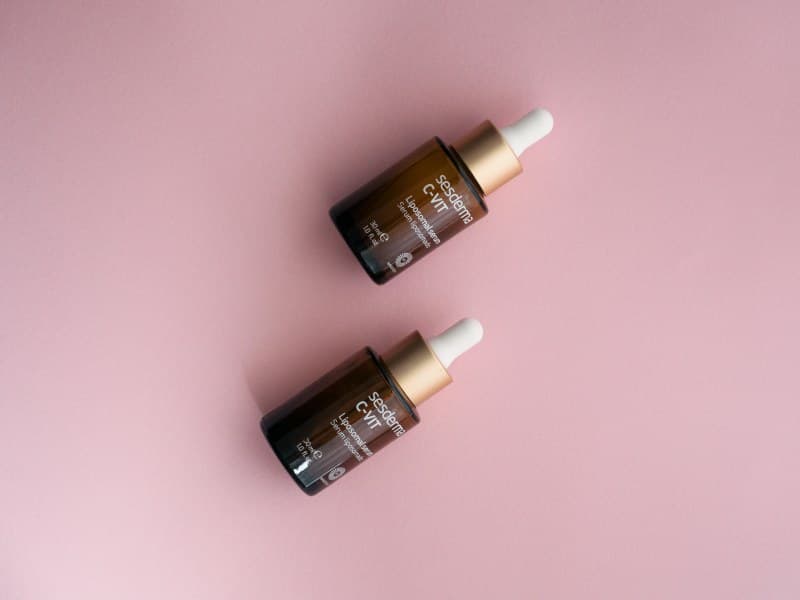
Ever stared at a shelf of skincare products and wondered what serums actually do? You’re not alone. For many beginners, serums feel like a fancy, unnecessary step—until you see how they can target specific skin goals, from hydration to brightening.
What Are Skincare Serums, Anyway?
Serums are lightweight, concentrated formulas packed with active ingredients. Unlike moisturizers (which focus on locking in moisture), serums penetrate deeper into the skin to address specific concerns—think dryness, dullness, or uneven texture. They’re not a replacement for moisturizer, but an add-on to boost your routine.
3 Key Serum Types You Should Know
Here’s a quick breakdown of the most common serums for beginners, so you can pick the right one for your skin:
| Serum Type | Primary Benefit | Best For | How to Use |
|---|---|---|---|
| Hyaluronic Acid | Deep hydration | Dry, dehydrated skin | Apply 2-3 drops after cleansing, before moisturizer (works day/night) |
| Vitamin C | Brightening & sun damage repair | Dull, sun-exposed skin | Morning use (follow with sunscreen!)—1-2 drops |
| Niacinamide | Pore minimization & oil control | Oily, combination skin | Night use (or day, if no irritation)—2 drops |
Myths About Serums (Busted!)
Let’s clear up some common misconceptions:
- Myth 1: Serums are only for people with problem skin.
Truth: Everyone can benefit! Hyaluronic acid hydrates dry skin, niacinamide balances oily skin, and vitamin C brightens all skin types. - Myth 2: More serum = better results.
Truth: A little goes a long way. Overusing can lead to irritation (think redness or breakouts). Stick to the recommended 1-3 drops. - Myth 3: Serums are too expensive.
Truth: You don’t need to splurge. Drugstore options like The Ordinary have effective serums for under $10.
How to Add Serums to Your Routine
Adding a serum to your routine is simple. Follow these steps:
- Cleanse your face (and tone, if you use toner).
- Apply your serum: Gently pat it into your skin (don’t rub!) to help absorption.
- Wait 1-2 minutes for the serum to sink in.
- Finish with moisturizer to lock in the serum’s benefits.
Pro tip: If you use multiple serums, layer them from thinnest to thickest. For example, hyaluronic acid (thinnest) first, then vitamin C, then niacinamide.
A Relatable Story: Sarah’s Serum Mistake
Take my friend Sarah. She’s a skincare newbie who grabbed a vitamin C serum because it was trending on social media. Her oily skin reacted with redness and small breakouts—she had no idea vitamin C can be irritating for some oily skin types. After switching to a niacinamide serum, her pores looked smaller, and her skin felt balanced. Moral of the story? Don’t chase trends—pick a serum that fits your skin’s needs.
“Beauty begins the moment you decide to be yourself.” — Coco Chanel
This quote rings true for skincare too. Your skin is unique, so your serum should be too. Don’t feel pressured to use the same product as your friend—find what works for you.
Quick FAQ
Q: Can I use serums every day?
A: Most serums are safe for daily use, but always check the label. For example, exfoliating serums (like those with AHAs) might be better 2-3 times a week to avoid irritation. Hyaluronic acid, vitamin C, and niacinamide are usually okay daily.
Serums don’t have to be complicated. Start with one type, see how your skin reacts, and go from there. Happy glowing! ✨