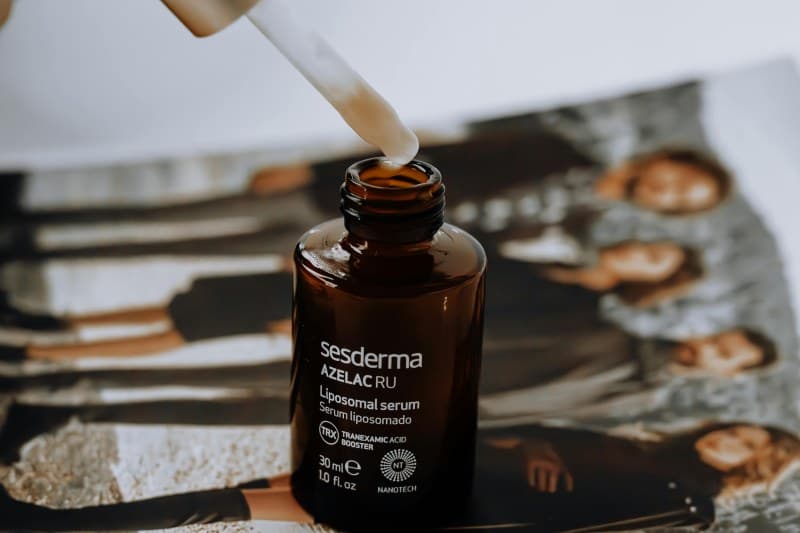
Last month, my friend Lily stared at her skincare shelf, confused. She had a moisturizer, a toner, and a serum she’d bought on sale, but she couldn’t figure out why she needed the serum. “Is it just expensive moisturizer?” she asked. If you’ve ever felt that way, you’re not alone.
What Are Serums, Anyway?
Serums are lightweight, concentrated formulas packed with active ingredients (like vitamin C, hyaluronic acid, or retinol) that penetrate deeper into the skin than moisturizers. Unlike moisturizers, which primarily lock in moisture, serums target specific concerns—think dryness, dark spots, or fine lines. They’re designed to deliver a high dose of nutrients where your skin needs them most.
5 Common Serum Myths Debunked
Let’s clear up some of the most persistent myths about serums:
| Myth | Fact |
|---|---|
| Serums replace moisturizers | No—serums don’t have the occlusive properties to lock in moisture. Use both for best results. |
| You need to use serums twice a day | Depends on the active ingredient: Vitamin C works best in the morning (to protect from UV damage), while retinol is better at night (to repair skin). |
| All serums are for anti-aging | No—some serums target hydration (hyaluronic acid), redness (niacinamide), or acne (salicylic acid). |
| Expensive serums are always better | Ingredients matter more than price. A drugstore hyaluronic acid serum can be just as effective as a luxury one. |
| Serums are only for adults | Teens can use serums too—for example, salicylic acid to fight acne or niacinamide to control oil. |
How to Pick the Right Serum for Your Skin Type
Not all serums are created equal. Here’s a quick guide to matching serums to your skin type:
| Skin Type | Best Serum Ingredients |
|---|---|
| Dry | Hyaluronic acid, glycerin, ceramides (to boost hydration) |
| Oily/Acne-Prone | Salicylic acid, niacinamide, tea tree oil (to unclog pores) |
| Dark Spots/Uneven Tone | Vitamin C, kojic acid, tranexamic acid (to brighten) |
| Anti-Aging | Retinol, peptides, vitamin E (to reduce fine lines) |
Why Consistency Matters
“The best time to plant a tree was 20 years ago. The second best time is now.” — Chinese Proverb
This old saying applies perfectly to skincare. You don’t need to wait for signs of aging to start using serums. Consistent use early on helps maintain healthy skin and prevent future issues. Lily, my friend with dry skin, learned this firsthand: she started using a hyaluronic acid serum every morning, followed by her moisturizer. Within two weeks, her skin felt less tight, and the flaky patches on her cheeks were gone. She now swears by it—proof that the right serum doesn’t have to break the bank.
Quick Q&A: Your Serum Questions Answered
Q: Can I mix different serums?
A: Yes! But follow the golden rule: layer from thinnest to thickest texture. For example, apply vitamin C (water-based) first, then hyaluronic acid (gel-like), then retinol (oil-based) if using at night.
Q: How long does it take to see results from a serum?
A: Most serums show visible results in 4-6 weeks. Be patient—consistency is key. If you don’t see changes after that, try adjusting the frequency or switching to a different ingredient.
Serums don’t have to be confusing. By understanding what they do, debunking myths, and choosing the right one for your skin type, you can add this powerful step to your routine without stress. Remember: skincare is personal—what works for Lily might not work for you, so don’t be afraid to experiment (gently!) until you find your perfect match.