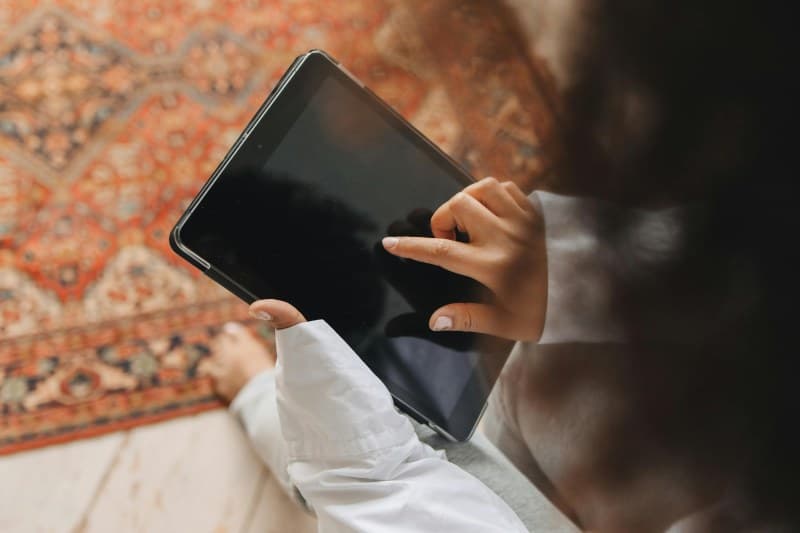
Last week, my neighbor Sarah told me about her 7-year-old son, Leo. After an hour of watching cartoon videos, Leo couldn’t sit still for 5 minutes to finish his homework—fidgeting, jumping up to grab his tablet, and complaining that the math problems were “too hard.” Sarah wondered: Is screen time really messing with his focus? She’s not alone. Many parents notice a drop in attention after their kids use screens, but what’s actually going on?
4 Key Factors Linking Screen Time to Kids’ Focus Issues
Screen time doesn’t just “waste time”—it can change how a child’s brain processes information. Here’s a breakdown of the main culprits:
| Factor | How It Impacts Focus | Quick Fix |
|---|---|---|
| Rapid Visual Changes | Screens flash images every 2-3 seconds, training the brain to expect constant novelty. Slow, steady tasks (like reading) feel boring in comparison. | Limit screen sessions to 15-20 minutes for young kids; follow with a quiet activity like drawing. |
| Reduced Movement | Sitting still for long periods slows blood flow to the brain, which is essential for focus. Kids need physical activity to keep their minds sharp. | Add a 5-minute dance break or outdoor play after every screen session. |
| Sleep Disruption | Blue light from screens suppresses melatonin, making it harder for kids to fall asleep. Poor sleep leads to foggy focus the next day. | Turn off screens 1 hour before bedtime; use dim lights or read a book instead. |
| Dopamine Overload | Screens deliver instant rewards (likes, new levels, funny clips) that flood the brain with dopamine. Non-rewarding tasks (like homework) seem less appealing. | Balance screen time with activities that build delayed gratification, like building a puzzle or growing a plant. |
Common Myths Debunked
Let’s clear up some misconceptions about screen time and focus:
- Myth 1: All screen time is bad.
Truth: It’s about quality, not quantity. Slow-paced educational content (like nature documentaries) is less likely to overstimulate than fast cartoons. - Myth 2: Educational apps don’t affect focus.
Truth: Even educational apps often use fast visuals and rewards to keep kids engaged, which can still train the brain to crave constant stimulation.
Practical Fixes for Balanced Screen Time
You don’t have to ban screens entirely. Try these simple strategies:
- Set a clear schedule: Use a timer to limit screen time and stick to it.
- Choose “active” screen time: Apps that require interaction (like coding games) are better than passive watching.
- Model good habits: Kids learn from adults—put your phone away during family time.
“Moderation in all things, including moderation.” — Aristotle
This quote rings true for screen time. It’s not about cutting it out completely, but finding a balance that works for your family. Sarah tried limiting Leo’s screen time to 30 minutes a day, followed by a walk to the park. Within a week, she noticed he could finish his homework without fidgeting.
FAQ: Your Burning Questions Answered
Q: Can my kid use screens for homework without affecting focus?
A: Yes, but take breaks. For every 20 minutes of screen-based homework, have them stand up, stretch, or look at something 20 feet away for 20 seconds (the 20-20-20 rule). This reduces eye strain and helps reset their focus.
At the end of the day, screen time is a tool. When used mindfully, it can be educational and fun—without sacrificing your kid’s ability to focus. The key is to stay aware of how it affects your child and adjust accordingly.