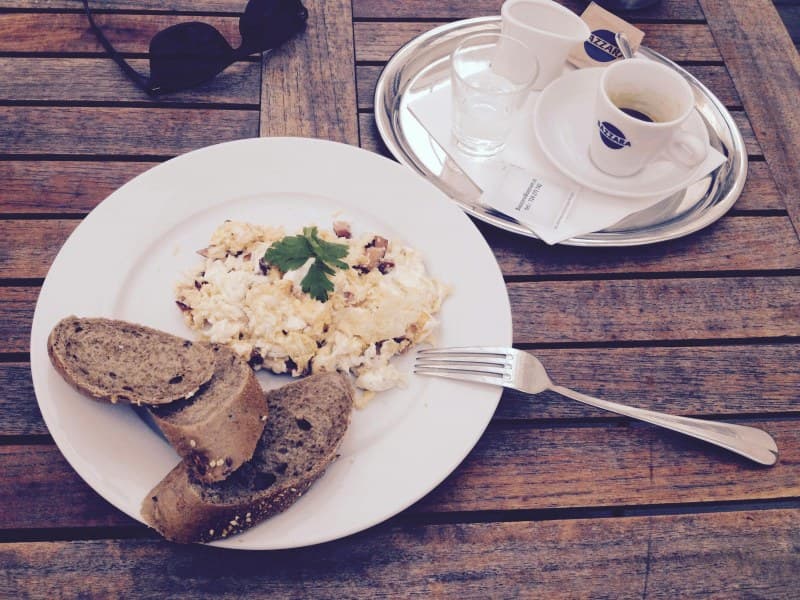
Last weekend, I tried to make scrambled eggs for my friends. I whisked them like crazy, turned the heat up high, and ended up with a plate of rubbery, dry curds that no one wanted to touch. Sound familiar? Scrambled eggs seem simple, but getting the texture right—whether creamy or fluffy—takes more than just whisking and cooking. Let’s break down the science, debunk common myths, and get you to egg perfection.
Why Texture Matters (And The Science Behind It)
Scrambled eggs’ texture comes down to protein coagulation. When eggs heat up, the proteins (albumin and globulin) unfold and link together, forming a network that traps water. If you overcook them, the network tightens, squeezing out water and making eggs dry. Under cook, and they’re runny. The key is to control the heat and timing.
6 Common Scrambled Eggs Myths Debunked
- Myth 1: Whisking longer makes them fluffier
False—over-whisking adds too much air, leading to a spongy texture. Whisk just until the yolks and whites are combined.
- Myth 2: High heat cooks them faster (and better)
False—high heat causes rapid coagulation, leading to dry, rubbery eggs. Low to medium heat is best.
- Myth 3: You should stir constantly
False—stirring non-stop breaks up curds too much. Stir occasionally to form soft curds.
- Myth 4: Adding salt makes eggs tough
False—salt denatures proteins slightly, which actually helps retain moisture. Add it at the start or end—either works!
- Myth 5: Cream is the only way to make creamy eggs
False—milk, half-and-half, or even water works. The fat content affects creaminess, but it’s not the only factor.
- Myth 6: You can’t make perfect eggs without a non-stick pan
False—cast iron or stainless steel works if you preheat the pan properly and use enough butter/oil.
Creamy vs Fluffy: Which One Do You Want?
Here’s a quick comparison to help you choose:
| Aspect | Creamy Scrambled Eggs | Fluffy Scrambled Eggs |
|---|---|---|
| Heat Level | Low | Medium-low |
| Liquid Added | Cream or full-fat milk | Water or low-fat milk |
| Stirring Frequency | Constant (slow) | Occasional (to form large curds) |
| Final Texture | Smooth, velvety | Light, airy curds |
| Cooking Time | 5-7 minutes | 3-5 minutes |
Pro Hacks For Perfect Texture Every Time
- Preheat your pan with butter until it’s foamy (not browned) to prevent sticking.
- Take eggs off the heat 1-2 minutes before they’re done—residual heat will finish cooking them.
- For extra creaminess, stir in a tablespoon of cream cheese or mascarpone at the end.
- Add herbs like chives or dill after cooking to keep their fresh flavor.
Classic Wisdom For Egg Lovers
“The only real stumbling block is fear of failure. In cooking you’ve got to have a what-the-hell attitude.” — Julia Child
Julia Child’s words ring true for scrambled eggs. Don’t be afraid to experiment with heat, liquids, or add-ins. Even if you mess up once, you’ll learn what works for you.
FAQ: Your Egg Questions Answered
Q: Can I use non-dairy milk for creamy scrambled eggs?
A: Absolutely! Unsweetened almond, oat, or soy milk works well. Just avoid sweetened varieties, as they’ll add an unwanted flavor. Use the same amount as dairy milk (1-2 tablespoons per egg).
Scrambled eggs are a blank canvas—whether you prefer them creamy, fluffy, or loaded with veggies. By debunking these myths and following a few simple tips, you’ll be serving up perfect eggs in no time. So grab your pan, whisk those eggs, and don’t forget to have fun with it!