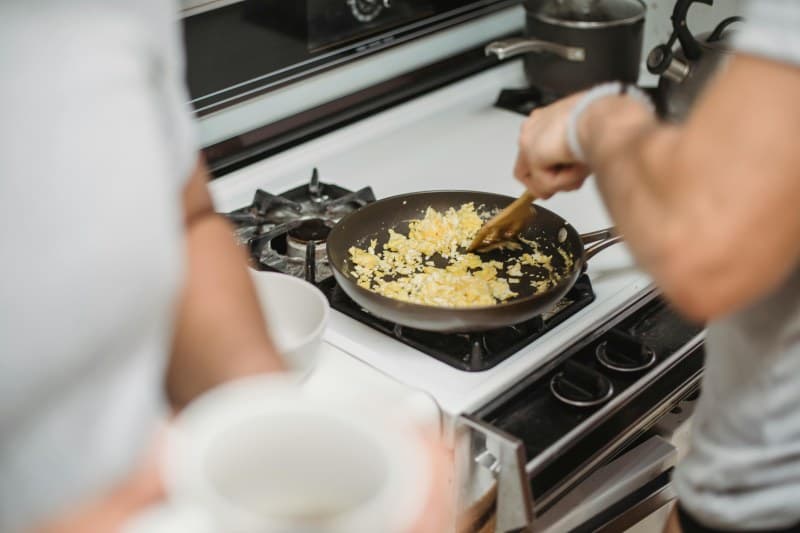
Last weekend, my friend Sarah spent 10 minutes trying to make scrambled eggs for brunch. She cranked the stove to high, dumped in a splash of milk, and stirred like her life depended on it. The result? A rubbery, watery mess that no one wanted to eat. Sound familiar? Scrambled eggs seem simple, but there are so many myths that trip people up.
5 Common Scrambled Egg Myths Explained
Myth 1: High heat is best for fast cooking
Many people think turning the heat up high will cook eggs quickly. But high heat causes eggs to curdle and become rubbery. The truth? Use low to medium heat. This allows the eggs to cook slowly, forming soft, tender curds.
Myth 2: Milk makes eggs fluffier
Adding milk is a common habit, but it can actually make eggs watery. The fat in milk doesn’t mix well with egg proteins, leading to a runny texture. Instead, use a small amount of heavy cream or skip dairy altogether for the fluffiest results.
Myth 3: Stirring constantly is necessary
Stirring nonstop breaks eggs into tiny curds, which can be too fine. The right approach? Stir occasionally—every 30 seconds or so—to form larger, softer curds. This gives eggs a light, airy texture.
Myth 4: Overcooking is better than undercooking
Nobody wants raw eggs, but overcooking turns them dry and tough. Take the pan off the heat when the eggs are still slightly runny. Residual heat will finish cooking them without overdoing it.
Myth 5: You can’t make scrambled eggs ahead
Need to prep breakfast for a crowd? You can make scrambled eggs ahead! Store them in an airtight container in the fridge, then reheat gently in a pan with a small dollop of butter. They’ll stay fluffy and creamy.
Common Mistakes vs. Fixes: A Quick Guide
Here’s a side-by-side look at what to avoid and what to do instead:
| Myth | Common Mistake | Fix | Result |
|---|---|---|---|
| High heat is best | Cooking on high | Low-medium heat | Soft, non-rubbery curds |
| Milk adds fluff | Adding milk | Heavy cream or no dairy | Creamy, not watery |
| Stir constantly | Nonstop stirring | Stir occasionally | Larger, airier curds |
| Overcook to be safe | Cooking until dry | Remove early (residual heat) | Tender, moist eggs |
| Can’t make ahead | Making fresh only | Store in fridge + reheat with butter | Fluffy eggs for crowds |
A Classic Cooking Quote to Remember
“The only real stumbling block is fear of failure. In cooking, you’ve got to have a what-the-hell attitude.” — Julia Child
This rings true for scrambled eggs. Don’t be afraid to experiment with heat or stirring—even if you mess up once. The best way to learn is to try.
FAQ: Your Scrambled Egg Questions Answered
Q: How do I get extra fluffy scrambled eggs?
A: Use room-temperature eggs (they beat easier), beat them gently (don’t overbeat—too many bubbles make them tough), and cook on low heat. Adding a small dollop of crème fraîche at the end can also add lightness without making them watery.
Final Tips for Perfect Scrambled Eggs
To sum it up:
- Use low-medium heat
- Skip milk (opt for cream or none)
- Stir occasionally
- Take off heat early
- Prep ahead if needed