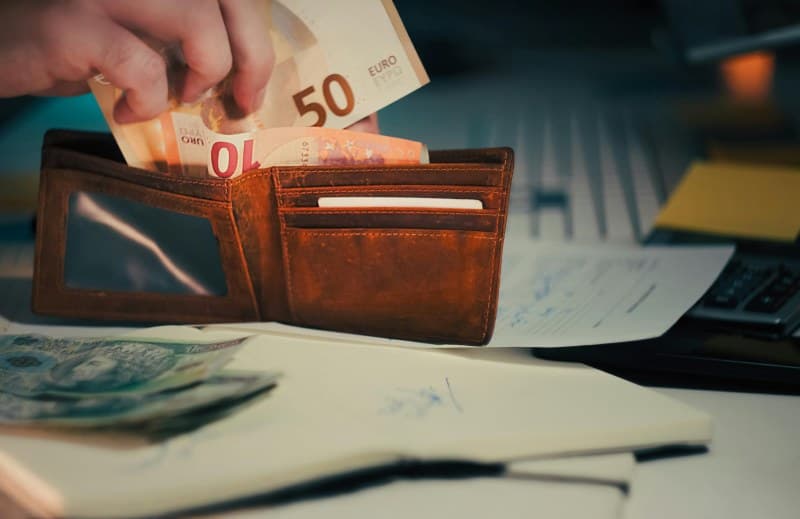
Last week, I popped into the corner store for a bottle of water and walked out with a $15 pack of artisanal cookies and a fancy lip balm I’d never heard of. Sound familiar? Most of our spending isn’t about logic—it’s driven by hidden psychological triggers that pull us into buying things we don’t need.
6 Key Spending Triggers (And How to Fight Back)
These triggers are everywhere, from social media ads to grocery store displays. Let’s break down the most common ones and how to counter them:
| Trigger Name | What It Is | How to Counter It |
|---|---|---|
| Social Proof | Buying something because everyone else is (e.g., viral products on TikTok). | Wait 24 hours before buying a trending item—ask if you’d want it without the hype. |
| Scarcity | Urgency from phrases like “limited time only” or “last 3 in stock.” | Remind yourself: If it’s a need, it’ll still be there later. If it’s a want, the urgency is a trick. |
| Endowment Effect | Valuing things you own more than others (e.g., not selling old clothes because they “have sentimental value”). | Donate or sell items you haven’t used in 6 months—this frees up space and money. |
| Instant Gratification | Choosing immediate pleasure (e.g., takeout) over future savings (e.g., a vacation). | Set small, rewarding savings goals (e.g., “Save $50 for coffee next month”) to balance gratification. |
| Anchoring | Using the first price you see as a reference (e.g., thinking a $100 shirt is a deal because it was marked down from $200). | Research the average price of an item before buying—don’t let the first number anchor you. |
| Emotional Spending | Buying to cope with stress, sadness, or boredom (e.g., retail therapy). | Replace shopping with a free activity: go for a walk, call a friend, or read a book. |
Wisdom from the Past
“A penny saved is a penny earned.” — Benjamin Franklin
Franklin’s famous line isn’t just about saving money—it’s about being mindful of the small, unplanned expenses that add up. Those $5 coffee runs or impulse snack buys? They’re the pennies that, over time, can sink your savings goals.
Real-Life Example: Turning Triggers into Savings
Take my friend Mia, a graphic designer. She noticed she was spending $300 a month on takeout (instant gratification). She started prepping meals on Sundays and used the endowment effect to her advantage: she opened a savings account named “Dream Laptop” and added $50 to it every time she skipped takeout. After 6 months, she had enough to buy the laptop she’d been wanting—without dipping into her emergency fund.
FAQ: Your Spending Questions Answered
Q: Can I ever completely stop falling for these triggers?
A: Probably not—our brains are wired to respond to these cues. But you can become more aware. Start by tracking your spending for a week: every time you buy something unplanned, write down the trigger (e.g., “scarcity” for that limited-time sale). Over time, you’ll catch yourself before the trigger takes over.
Understanding these triggers isn’t about being perfect. It’s about making intentional choices. Next time you reach for that impulse buy, pause and ask: Is this a need, or a trigger talking? Your future self will thank you.