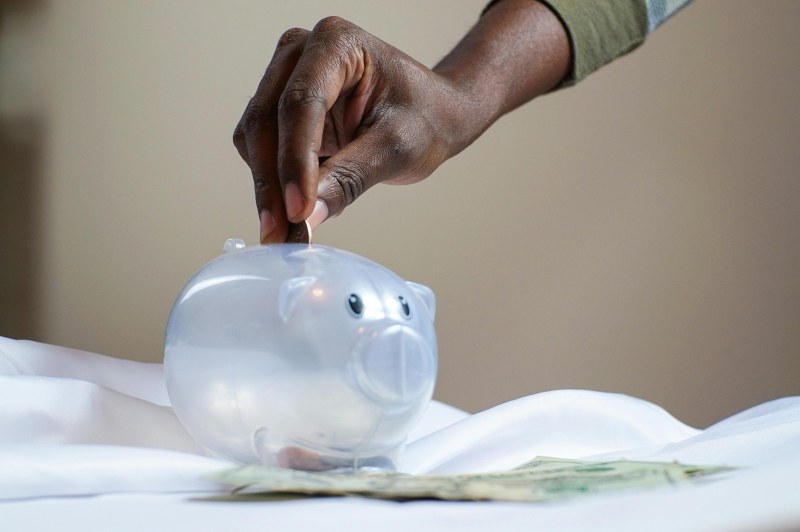
Have you ever found yourself scrolling through online sales late at night, even though you know you should be putting that money into your emergency fund? Or maybe you’ve avoided buying a small treat you really wanted because you’re scared of running out of cash. These moments boil down to two core mindsets that shape how we handle money: scarcity and abundance.
The Two Mindsets That Rule Your Wallet
The Scarcity Mindset
The scarcity mindset is rooted in the fear of not having enough. People with this mindset often focus on what they lack—whether it’s money, time, or resources. They might hoard cash to avoid feeling vulnerable, skip necessary expenses (like a doctor’s visit) to save a few dollars, or feel guilty when they spend on non-essentials. This fear can lead to impulsive decisions: for example, buying a cheap item that breaks quickly instead of investing in a durable one, which ends up costing more in the long run.
The Abundance Mindset
On the flip side, the abundance mindset is about believing there’s enough to go around. This doesn’t mean being reckless with money; it means trusting that you can earn more or make smart choices to meet your needs. People with this mindset save consistently but also allow themselves small, intentional splurges without guilt. They see money as a tool to enhance their life, not a source of constant worry.
To see how these mindsets play out in daily life, let’s compare them side by side:
| Aspect | Scarcity Mindset | Abundance Mindset |
|---|---|---|
| Approach to Saving | Saves only what’s left after spending (if any) | Saves first, then spends what’s left |
| Attitude Toward Spending | Guilt-ridden over non-essentials; avoids small treats | Intentional splurges are okay (within budget) |
| Long-Term Goals | Focuses on short-term survival (paying bills) | Plans for future (retirement, travel) |
| Reaction to Unexpected Expenses | Panics; uses credit cards without a plan | Dips into emergency fund (prepped in advance) |
“Do not save what is left after spending, but spend what is left after saving.” — Warren Buffett
This quote perfectly captures the shift from scarcity to abundance. It’s a simple but powerful way to reframe how you prioritize your money. Instead of letting fear drive your choices, you take control by saving first, then enjoying what’s left.
Take my friend Lila. For years, she lived with a scarcity mindset: she’d skip coffee with friends to save $5, but then panic-buy clothes when she felt stressed. After reading about abundance, she started automating $100 a month into her savings account first. Suddenly, she had more peace of mind—she could enjoy that coffee without guilt because she knew her savings were taken care of. Over a year, she built a $1,200 emergency fund and stopped impulsive shopping.
Common Question: Can I Switch Mindsets?
Q: I’ve always had a scarcity mindset. Is it possible to change?
A: Absolutely! Start small: set up an automatic transfer to savings every payday (even $20 helps) so you don’t have to think about it. Then, allow yourself one small, intentional splurge each month (like a book or a meal out) without guilt. Over time, this builds trust in your ability to manage money without fear. You’ll start to see that saving doesn’t mean depriving yourself—it means creating security for the future.
Practical Tips to Balance Both Mindsets
1. Automate savings first: This is the easiest way to shift to an abundance mindset. By putting money into savings before you spend, you’re prioritizing your future self without having to make a daily choice.
2. Set clear spending boundaries: Use the scarcity mindset’s caution to your advantage. Create a budget for non-essentials (like entertainment) so you don’t overspend. This way, you can enjoy splurges without worrying about your financial goals.
Your mindset isn’t fixed. By understanding these two approaches, you can find a balance that lets you save for the future while enjoying the present. Remember: money is a tool, not a source of stress. With the right mindset, you can build financial security and happiness.