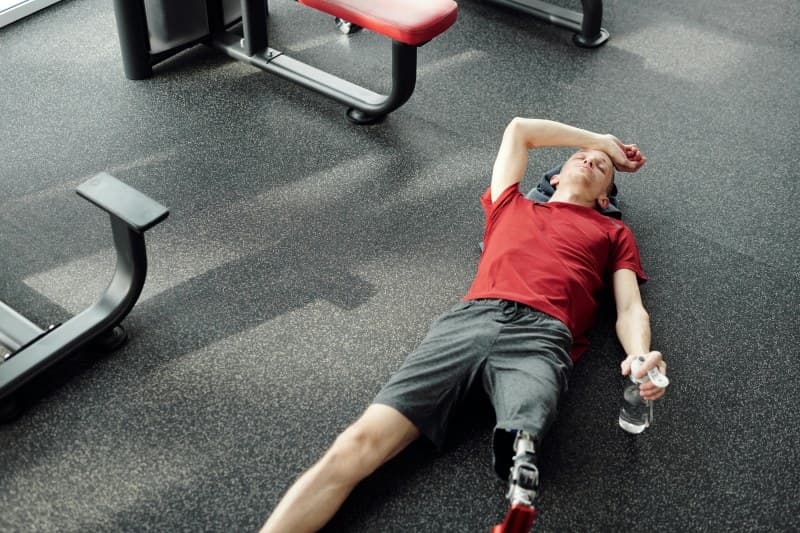
Last month, my friend Lila—a competitive cyclist—pushed through three back-to-back intense rides without a rest day. By the fourth morning, her knees ached so bad she couldn’t clip into her pedals. She learned the hard way: recovery isn’t a luxury—it’s the backbone of consistent training.
What Is Post-Workout Recovery, Anyway?
Recovery is the process your body uses to repair muscle micro-tears, replenish energy stores (like glycogen), and reduce inflammation after exercise. It’s not just about resting—it’s about giving your body the tools it needs to bounce back stronger.
5 Key Recovery Methods (And How They Stack Up)
Choosing the right recovery strategy depends on your sport, fitness level, and goals. Here’s a breakdown of 5 popular methods:
| Method | How It Works | Time Commitment | Best For |
|---|---|---|---|
| Active Recovery | Light movement (walking, yoga, swimming) to boost blood flow without straining muscles. | 15–30 minutes | Endurance athletes (runners, cyclists) |
| Static Stretching | Holding stretches for 20–30 seconds to improve flexibility and reduce muscle tightness. | 10–15 minutes | Flexibility-focused sports (gymnastics, dance) |
| Foam Rolling | Using a foam roller to apply pressure to tight muscles, releasing knots and improving mobility. | 5–10 minutes | Strength trainers, weightlifters |
| Post-Workout Nutrition | Eating protein (to repair muscles) and carbs (to replenish glycogen) within 30 minutes of exercise. | 5–10 minutes (prepping a snack/meal) | All athletes—critical for muscle growth |
| Sleep | 7–9 hours of nightly rest to support muscle repair, hormone balance, and mental recovery. | 7–9 hours | Everyone—non-negotiable for long-term performance |
Common Myths to Skip
Let’s bust three persistent recovery myths:
- Myth 1: No pain, no gain. Soreness (DOMS) is normal, but sharp or persistent pain means you’re pushing too hard. Listen to your body—ignoring pain leads to injury.
- Myth 2: Recovery is just sitting around. Active recovery (like a slow walk) is more effective than passive rest for reducing soreness and improving circulation.
- Myth 3: Light workouts don’t need recovery. Even a 30-minute walk puts stress on your muscles. A quick stretch or glass of water post-walk helps your body reset.
A Classic Take on Recovery
“Rest when you’re weary. Refresh and renew yourself, your body, your mind, your spirit. Then get back to work.” — Ralph Marston
This quote reminds us that recovery isn’t slacking off—it’s preparing to come back stronger. Lila now schedules one active recovery day per week (a gentle bike ride or yoga class) and swears her performance has improved.
FAQ: Your Recovery Questions Answered
Q: How long should I wait before working out the same muscle group again?
A: For most people, 48 hours is ideal. This gives your muscles time to repair micro-tears and rebuild. If you’re doing high-intensity training (like heavy weightlifting), you might need 2–3 days. For example, a weightlifter who does heavy squats should wait 3 days before squats again to avoid overtraining.
Recovery is as important as the workout itself. Whether you’re a weekend warrior or a pro athlete, taking time to recover will help you perform better, stay injury-free, and enjoy your sport longer. So next time you finish a workout, don’t skip the recovery—your body will thank you.