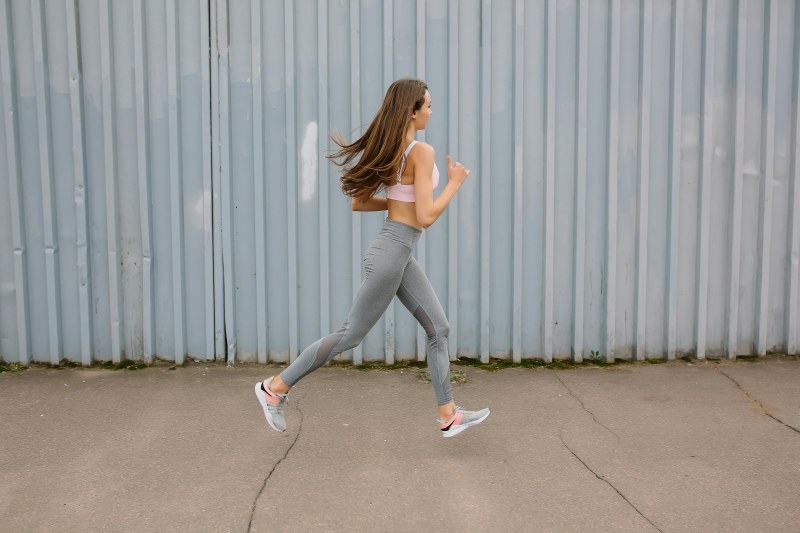
Last week, my friend Sarah tried her first HIIT class. She left feeling energized—until the next morning, when she could barely climb her apartment stairs. "Did I break something?" she texted, laughing through the pain. If you’ve ever felt that stiff, achy sensation 24-72 hours after a workout, you know exactly what she’s talking about: it’s called Delayed Onset Muscle Soreness (DOMS).
What Is DOMS, Anyway?
DOMS isn’t just your muscles complaining—it’s a natural response to unaccustomed or intense exercise, especially movements that involve eccentric contractions (like lowering a weight or landing from a jump). These contractions cause tiny micro-tears in your muscle fibers, which trigger inflammation and the soreness you feel later.
7 Myths vs. Facts About DOMS
Let’s clear up some common misconceptions about post-workout soreness:
| Myth | Fact |
|---|---|
| Soreness means you had a good workout. | Not necessarily! Effective workouts build strength even without soreness. Soreness just means your muscles are adapting to new stress. |
| Stretching before a workout prevents DOMS. | Pre-workout stretching helps with flexibility but doesn’t reduce soreness. Post-workout stretching, however, can ease discomfort. |
| Ice is the best way to reduce soreness. | Heat (like a warm bath) is often more effective for DOMS—it increases blood flow to the muscles, aiding recovery. |
| You should skip workouts when sore. | Light movement (walking, yoga) can help reduce soreness by boosting circulation. Avoid heavy lifting of the sore muscle group, though. |
| DOMS is caused by lactic acid buildup. | Lactic acid clears from muscles within an hour post-workout. DOMS is from micro-tears, not lactic acid. |
| More soreness equals more muscle growth. | Muscle growth depends on progressive overload, not soreness. You can gain muscle without feeling sore every time. |
| Protein shakes immediately after a workout eliminate soreness. | Protein helps repair muscles, but it won’t erase soreness. It just speeds up recovery over time. |
Gentle Relief Tips for DOMS
While DOMS can’t be completely avoided, these tips can make it more manageable:
- 💆 Foam rolling: Targets tight muscles and improves blood flow.
- 💧 Stay hydrated: Dehydration worsens soreness, so drink plenty of water.
- 🍗 Eat protein: Aim for 20-30g of protein within 2 hours post-workout to support repair.
- 🌡️ Heat therapy: A warm shower or heating pad relaxes sore muscles.
- 🧘 Light yoga: Gentle stretches (like child’s pose or cat-cow) ease stiffness.
Wisdom About Rest & Recovery
“Rest is not idleness, and to lie sometimes on the grass under trees on a summer’s day, listening to the murmur of the water, or watching the clouds float across the sky, is by no means a waste of time.” — John Lubbock
This quote reminds us that recovery is just as important as the workout itself. Your muscles need time to heal and grow—so don’t feel guilty for taking a rest day when soreness hits.
Common Q&A
Q: How long does DOMS usually last?
A: Most soreness peaks at 48 hours post-workout and fades within 3-5 days. If it lasts longer than a week, it might be a sign of injury—consult a healthcare provider.
Q: Can I prevent DOMS entirely?
A: No, but you can reduce its severity by gradually increasing workout intensity, warming up properly, and incorporating recovery days into your routine.
Final Thoughts
DOMS is a normal part of fitness journey. Instead of fearing it, use it as a sign your body is adapting and growing. Remember: listen to your body, rest when needed, and be kind to yourself—soreness is just temporary, but the gains are lasting.