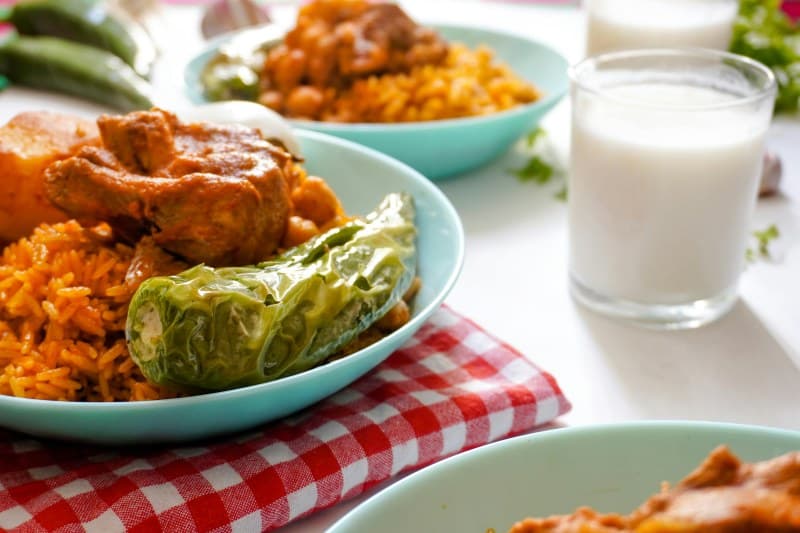
It’s 2 PM, and you’ve just finished a hearty lunch of pasta and garlic bread. Suddenly, your eyes feel heavy, your desk starts to look like a cozy bed, and focusing on that report feels impossible. Sound familiar? Post-meal drowsiness (often called a ‘food coma’) is a common experience, but why does it happen? Let’s break down the 4 key causes and how to gently shake it off.
What Is Post-Meal Drowsiness?
Post-meal drowsiness is that sudden drop in energy after eating. It’s not just your imagination—your body is redirecting resources to digest food, which can leave you feeling sluggish. But there’s more to it than just digestion.
4 Key Causes of Post-Meal Drowsiness
1. Blood Flow Redirection
When you eat, your body sends more blood to your digestive system to break down food. This means less blood flows to your brain, leading to feelings of tiredness. Think of it like a traffic reroute—your brain gets fewer "cars" (blood cells) for a while.
2. Serotonin Release
Carbohydrates trigger the release of insulin, which helps your body absorb amino acids. One amino acid, tryptophan, crosses the blood-brain barrier and converts to serotonin—a neurotransmitter that promotes relaxation and sleep. So that big bowl of rice or bread? It’s not just filling; it’s signaling your brain to wind down.
3. High Glycemic Index (GI) Foods
Foods with a high GI (like white bread, pastries, or sugary drinks) cause a rapid spike in blood sugar, followed by a crash. This crash leaves you feeling tired and irritable. It’s like a rollercoaster—up fast, then down hard.
4. Overeating
Eating too much puts extra strain on your digestive system. Your body has to work overtime to process all that food, which uses up energy and makes you feel sleepy. Ever finished a holiday meal and wanted to curl up on the couch? That’s overeating at play.
Let’s compare these 4 causes to see how they differ:
| Cause | How It Works | Common Trigger Foods |
|---|---|---|
| Blood Flow Redirection | More blood to digestion, less to brain | Any large meal |
| Serotonin Release | Carbs → insulin → tryptophan → serotonin | Bread, pasta, rice, sugary snacks |
| High GI Crash | Rapid blood sugar spike then drop | White bread, pastries, soda |
| Overeating | Digestive system overworked | Large portions, heavy meals (e.g., fried foods) |
Gentle Ways to Beat Post-Meal Drowsiness
- 🌿 Take a short walk: A 10-minute stroll helps boost blood flow and wake you up without caffeine.
- 🍎 Choose balanced meals: Mix carbs with protein and healthy fats (e.g., chicken salad with quinoa) to slow digestion and keep energy steady.
- ⏰ Avoid large meals: Opt for smaller, more frequent meals instead of one big lunch.
- 💧 Stay hydrated: Dehydration can worsen tiredness, so sip water throughout the day.
"Moderation in all things, including moderation." — Oscar Wilde
This quote reminds us that balance is key. Eating too much (or too little) can lead to drowsiness, so finding the right portion size and food mix helps keep energy levels stable.
FAQ: Common Questions About Post-Meal Drowsiness
Q: Is it normal to feel sleepy after eating?
A: Yes! It’s a natural response as your body focuses on digestion. However, if it’s extreme or happens every time you eat, it might be worth checking with a healthcare provider to rule out underlying issues like diabetes or food intolerances.
Post-meal drowsiness doesn’t have to ruin your afternoon. By understanding the causes and making small changes to your meals and habits, you can stay alert and productive without reaching for that third cup of coffee. Remember—balance is the key to feeling your best.