Last month, my friend Mia showed up to a local park pickleball game with a sheepish grin. “I thought this was only for retirees,” she admitted. But after 30 minutes of laughing and chasing the ball, she left asking when we could come back. Pickleball’s exploded in popularity lately, but there are still plenty of misconceptions holding people back. Let’s break them down.
What Is Pickleball, Anyway?
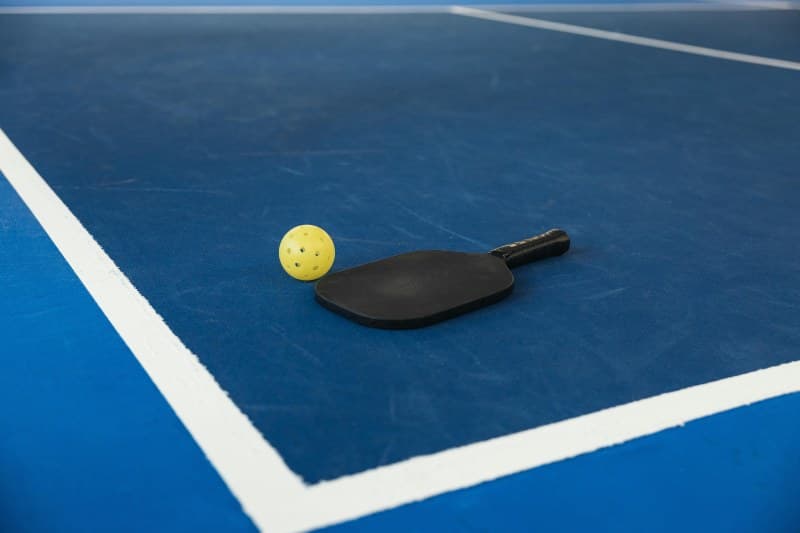
Pickleball is a racket sport that combines elements of tennis, badminton, and ping-pong. Played on a court smaller than tennis (20x44 feet for doubles), it uses a perforated plastic ball (like a wiffle ball) and solid paddles. The rules are simple: serve underhand, keep the ball in bounds, and avoid the “kitchen” (a non-volley zone near the net) unless the ball bounces first.
6 Pickleball Myths That Trip Up Beginners
Let’s debunk the most common lies new players believe:
- Myth 1: It’s only for older people. While pickleball is popular with seniors (thanks to its lower impact), more and more teens and young adults are joining. In 2023, the Sport & Fitness Industry Association reported 4.8 million players under 35.
- Myth 2: You need expensive gear to start. A basic paddle costs $20-$30, and many parks provide free balls. No need for fancy shoes or clothes—just comfortable sneakers and athletic wear.
- Myth 3: It’s just tennis-lite. Pickleball has unique rules, like the two-bounce rule (each team must let the ball bounce once before volleying) and the kitchen rule. These make it a distinct game, not a watered-down version of tennis.
- Myth 4: You have to be super athletic. Pickleball is accessible to all fitness levels. The small court means less running, and the underhand serve is easier on the shoulders than tennis’s overhand serve.
- Myth 5: Serving is impossible to master. The underhand serve is straightforward: stand behind the baseline, hold the ball at waist level, and swing up to hit it. Most beginners get the hang of it in their first game.
- Myth 6: Doubles is the only way to play. Singles is a great way to build speed and agility. It’s less social but more intense—perfect if you want a solo workout.
Gear 101: What You Actually Need
Not sure what gear to buy? Here’s a comparison of beginner-friendly paddle options:
| Option | Price Range | Best For | Pros | Cons |
|---|---|---|---|---|
| Budget | $20-$30 | First-time players | Affordable, lightweight | Less durable, may lack control |
| Mid-Range | $50-$80 | Casual players | Good balance of control and power, durable | Slightly more expensive |
| Premium | $100+ | Serious beginners | High control, ergonomic grip, long-lasting | Costly for new players |
A Quick Tip to Get Started
“The best way to learn is to play.” — Billie Jean King
This quote rings true for pickleball. Don’t overthink the rules—grab a paddle, find a local game (many parks have free drop-ins), and just start. Most players are happy to teach beginners the basics.
FAQ: Common Beginner Questions
Q: Do I need to take lessons to start playing?
A: No! While lessons can help, many beginners learn by playing with more experienced partners. Watch a 5-minute YouTube tutorial on basic rules, then head to a park—you’ll pick it up quickly.
Final Thoughts
Pickleball is a fun, low-pressure way to stay active and meet new people. Whether you’re looking for a casual hobby or a competitive sport, it’s worth giving a try. Mia now plays twice a week, and she’s even convinced her 20-year-old cousin to join. So grab a paddle, leave the myths behind, and hit the court—you might just find your new favorite activity.