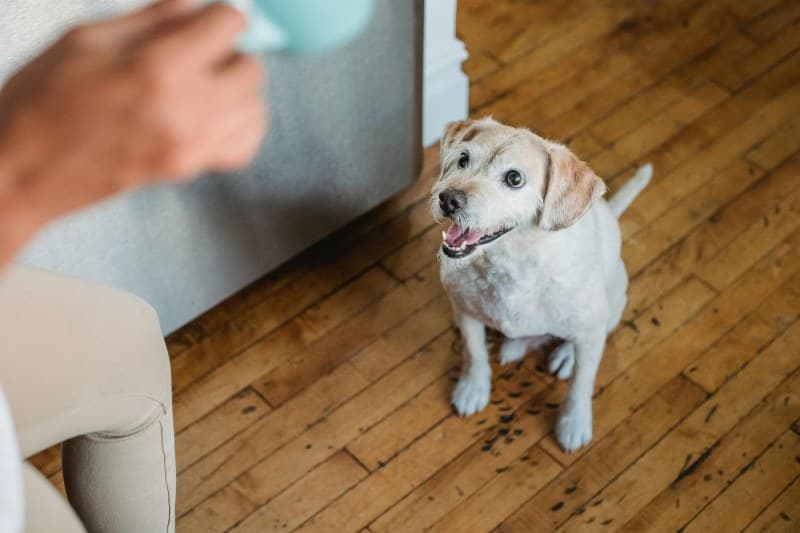
Last week, my golden retriever Max greeted me at the door with muddy paws and a knocked-over glass of iced tea. The result? A sticky brown mess on the rug and couch. Panic hit—regular cleaners have toxic chemicals, but I needed to fix this fast. That’s when I reached for my pet-safe hacks. If you’ve ever been in this spot, you know balancing clean floors and pet safety is tricky.
Why Pet-Safe Cleaning Matters
Pets are curious: they lick floors, chew on surfaces, and roll in clean areas. Many store-bought cleaners contain ammonia, bleach, or phthalates—substances that can cause vomiting, skin irritation, or worse if ingested. Choosing pet-friendly options isn’t just about cleaning; it’s about protecting the family members who can’t tell us when something’s harmful.
6 Common Pet Messes & Safe Solutions
Here’s a breakdown of the most frequent pet messes and the safest ways to tackle them:
| Mess Type | Safe Solution | Pros | Cons |
|---|---|---|---|
| Fresh Pet Urine | Blot with paper towels, then spray with 1:1 water + white vinegar. Blot again. | Neutralizes odor, affordable, non-toxic. | May leave a faint vinegar smell (fades quickly). |
| Old Pet Urine | 1 part 3% hydrogen peroxide + 2 parts water + 1 tsp baking soda. Let sit 15 mins, blot. | Removes deep stains/odor, works on carpets. | Test on dark fabrics (peroxide can lighten). |
| Cat Hair on Fabric | Use a rubber glove (dampened) or lint roller with sticky paper. | Easy to use, no chemicals. | Rubber gloves need frequent rinsing. |
| Mud Tracks | Let mud dry, then vacuum. Wipe with damp microfiber cloth + mild dish soap (diluted). | Prevents smearing, gentle on floors. | Takes time to let mud dry. |
| Slobber Stains | Blot with cold water, then apply a mix of water + mild dish soap. Rinse. | Works on most fabrics, safe for pets. | May need repeated blotting for tough stains. |
| Pet Food Spills | Sweep up dry food, then wipe with warm water + baking soda paste. | Absorbs grease, deodorizes. | Paste needs to be rinsed thoroughly. |
Prevention Tips to Reduce Messes
- Place a washable doormat outside the door for muddy paws.
- Use waterproof couch covers (easy to throw in the wash).
- Keep pet food bowls on a plastic tray to catch spills.
- Brush your pet regularly to reduce loose hair.
Common Question: Can I Use Vinegar on All Surfaces?
Q: Is vinegar safe for every surface when cleaning pet messes?
A: Vinegar works on most surfaces (tile, sealed wood, laminate) but avoid marble or granite—it can etch the stone. Always test a small hidden area first to ensure no discoloration.
“The bond with a true dog is as lasting as the ties of this earth will ever be.” — Konrad Lorenz
This quote reminds us why pet safety is non-negotiable. A few months ago, my cat Luna had an accident on the carpet. I used the hydrogen peroxide-baking soda mix, and the stain was gone in 20 minutes. Luna didn’t lick the area (since I blotted it dry) and was back to napping on the couch an hour later. It’s small moments like these that make pet-friendly cleaning worth it.
At the end of the day, cleaning up after pets doesn’t have to mean choosing between a clean home and a safe one. With these simple solutions, you can have both.