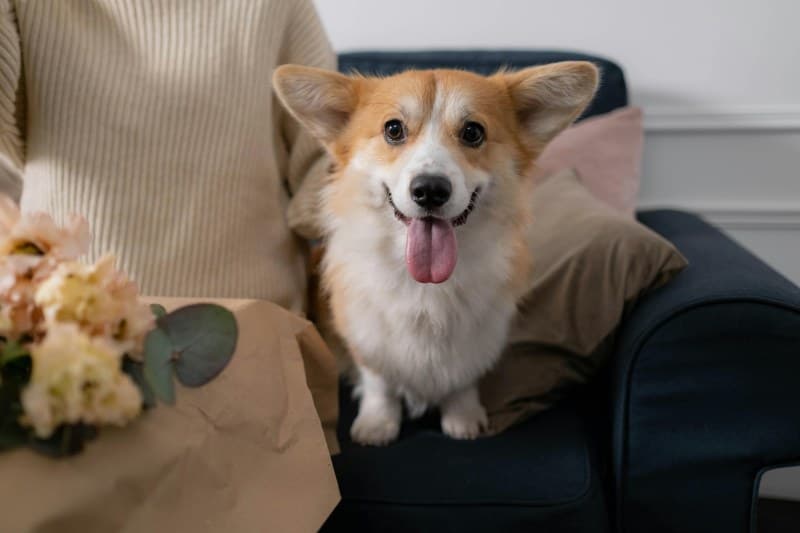
Imagine walking in the door after a rainy day, only to find your golden retriever, Max, proudly trotting over with mud caked on his paws. You want to clean the floor immediately—but you pause. The bottle under the sink says "powerful stain remover," but is it safe for Max to lick the floor later? If you’ve ever had this thought, you’re not alone. Pet-friendly cleaning is all about balancing a spotless home with the safety of your furry family members.
Two Key Pet-Friendly Cleaning Approaches
When it comes to cleaning around pets, there are two go-to strategies: natural DIY solutions and commercial pet-safe products. Let’s break them down and see how they stack up.
| Aspect | Natural DIY Solutions | Commercial Pet-Safe Products |
|---|---|---|
| Cost | Low (uses household items like vinegar, baking soda) | Moderate to high (certified products often cost more) |
| Effectiveness on Stains | Good for mild stains (mud, pet hair); less effective on tough stains (urine, blood) | High (formulated for tough pet stains) |
| Time to Prepare | 5-10 minutes (mixing ingredients) | 0 minutes (ready to use) |
| Safety for Pets | Depends on ingredients (avoid toxic ones like tea tree oil) | High (certified by organizations like the ASPCA) |
| Availability | Easy (items in most kitchens) | Available at pet stores or online |
For example, a DIY solution of 1 part white vinegar and 3 parts water works great for wiping down floors—just make sure to rinse it off so your pet doesn’t lick the vinegar residue. On the other hand, a commercial product like Nature’s Miracle (ASPCA-approved) is perfect for removing old urine stains without leaving harmful chemicals.
Common Pet-Friendly Cleaning Myths Debunked
Let’s clear up some misconceptions that might be putting your pet at risk:
- Myth 1: All natural cleaners are safe for pets.
Fact: Some natural ingredients (like tea tree oil, citrus oils, or essential oils) are toxic to cats and dogs. Always check before using. - Myth 2: If a cleaner says "green" or "eco-friendly," it’s pet-safe.
Fact: These labels don’t always mean pet-friendly. Look for certifications from trusted organizations like the ASPCA or EPA Safer Choice.
"A dog is the only thing on earth that loves you more than he loves himself." — Josh Billings
This quote reminds us that our pets give us unconditional love. It’s only fair to return the favor by choosing cleaning methods that keep them healthy and safe.
Quick Daily Tips for Pet Owners
Small daily habits can make a big difference in keeping your home clean and pet-safe:
- Keep a microfiber mat and pet-safe wipes near the door to clean paws before your pet enters the house.
- Use a lint roller or rubber brush to remove pet hair from furniture—this is safer than using a vacuum with harsh chemicals.
- Spot clean stains immediately with a DIY solution (baking soda + water) to prevent them from setting.
FAQ: Your Pet-Friendly Cleaning Questions Answered
Q: Can I use essential oils in my cleaning routine if I have pets?
A: Most essential oils are toxic to cats and dogs, even in small amounts. For example, tea tree oil can cause skin irritation, vomiting, or even seizures in pets. It’s best to avoid using essential oils in cleaning products around pets. If you must use them, consult your vet first.
By choosing the right cleaning approach and following these tips, you can keep your home clean and your pet happy. Remember—your furry friend’s safety should always come first!