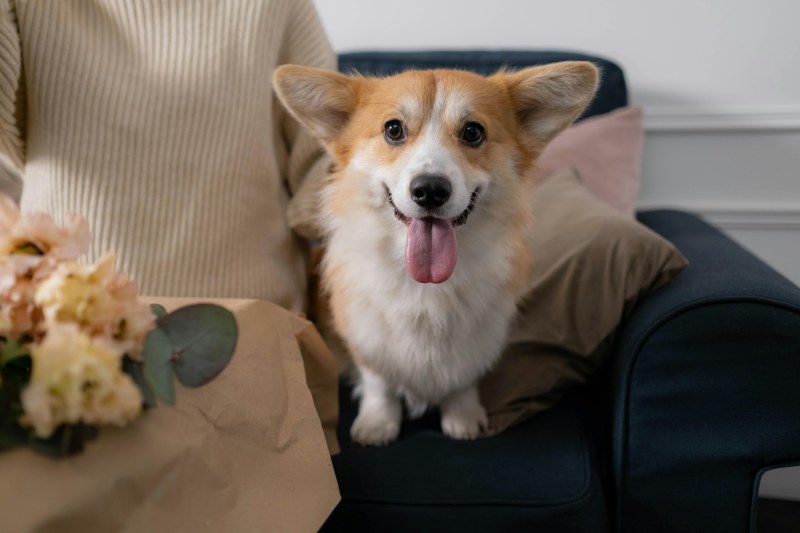
Last week, my golden retriever Max traipsed into the house after a rainstorm, leaving muddy paw prints all over my light hardwood floors. I froze—reach for the chemical-heavy cleaner under the sink (which makes Max sneeze) or let the stains set? That moment made me realize how critical it is to have reliable, pet-safe floor cleaning methods. Let’s break down the two most effective options, their pros and cons, and clear up common myths.
The Two Go-To Pet-Friendly Floor Cleaning Methods
Method 1: DIY Vinegar & Water Solution
This is the budget-friendly workhorse of pet-safe cleaning. Mix 1 part white vinegar with 10 parts warm water, plus a teaspoon of unscented castile soap (optional for extra cleaning power). It’s safe for most floors—hardwood, tile, laminate—but skip marble or granite (vinegar’s acidity can etch stone).
When Max left those mud prints, I spritzed this solution, let it sit for 30 seconds, and wiped it up with a microfiber cloth. No residue, no harsh fumes, and Max didn’t bat an eye.
Method 2: Store-Bought Enzyme Cleaners
For tough organic stains (urine, vomit, food spills), enzyme cleaners like Nature’s Miracle are a game-changer. They use natural enzymes to break down stain-causing proteins, so they don’t just mask odors—they eliminate them. Follow the instructions: blot excess mess first, then apply the cleaner and let it sit (usually 10-15 minutes) before wiping.
I used this on an old urine stain Max left as a puppy. After one application, the smell was gone, and the stain faded completely.
Method Comparison: DIY vs Store-Bought
Here’s how the two methods stack up:
| Method | Key Ingredients | Pros | Cons | Best For |
|---|---|---|---|---|
| DIY Vinegar & Water | Vinegar, water, castile soap | Cheap, non-toxic, easy to make, no harsh fumes | Vinegar smell (fades quickly), not ideal for tough stains | Daily cleaning, light mud/dirt, general upkeep |
| Store-Bought Enzyme Cleaner | Natural enzymes, water | Eliminates tough stains/odors, pet-safe, no harsh chemicals | More expensive, requires waiting time | Urine/vomit stains, deep cleaning, stubborn messes |
Common Myths Debunked
- Myth 1: All natural cleaners are safe for pets. Wrong! Essential oils (like tea tree or peppermint) are toxic to dogs and cats, even in small amounts. Stick to unscented, simple ingredients.
- Myth 2: You need strong chemicals to remove pet stains. Enzyme cleaners prove this false—they’re gentle but effective at breaking down organic matter without harsh fumes.
Classic Wisdom to Guide Your Cleaning
“An ounce of prevention is worth a pound of cure.” — Benjamin Franklin
This proverb rings true for pet-friendly cleaning. Regular swipes with the DIY vinegar solution prevent stains from setting, so you don’t have to reach for stronger cleaners later. For Max, I now keep a spray bottle by the door to wipe his paws before he comes inside—saving me time and stress.
FAQ: Your Pet-Friendly Cleaning Questions Answered
Q: Can I add lemon juice to my DIY cleaner for a fresh scent?
A: No—lemon juice is acidic and can irritate your pet’s paws or stomach if they lick the floor. Stick to unscented castile soap if you want extra cleaning power.
Q: Is steam cleaning safe for pets?
A: Yes, if your floors are sealed (check the manufacturer’s instructions). Let the floor dry completely before letting your pet walk on it to avoid slips or moisture-related issues.
Keeping your floors clean and your pets safe doesn’t have to be complicated. Whether you opt for the DIY solution or enzyme cleaners, the key is to choose methods that are gentle on both your home and your furry family members. Happy cleaning!