Last week, I attempted to whip up a quick stir-fry for dinner. I chopped my veggies, heated the pan, and tossed them in—only to end up with a sad mix of charred broccoli and mushy bell peppers. I knew I was making small errors, but I couldn’t put my finger on which ones. After some research and trial and error, I finally cracked the code for perfectly crispy, tender stir-fry veggies. Let’s dive into what works (and what doesn’t).
5 Common Mistakes That Ruin Stir-Fry Veggies (And How to Fix Them) 🍳
Most stir-fry fails come from these easy-to-avoid missteps:
- Not drying veggies: Excess water on veggies turns your stir-fry into a steam fest. Fix: Pat veggies dry with paper towels before cooking.
- Overcrowding the pan: Piling too many veggies in the pan lowers the heat and makes them soggy. Fix: Cook in small batches, leaving space between pieces.
- Wrong heat level: Low heat leads to mushy veggies; high heat burns them. Fix: Preheat your pan to medium-high—you should hear a sizzle when veggies hit the pan.
- Unevenly cut veggies: Some pieces cook faster than others. Fix: Cut all veggies into uniform sizes (e.g., matchsticks for carrots, florets for broccoli).
- Adding sauce too early: Sauce dilutes heat and makes veggies soggy. Fix: Add sauce in the last 30 seconds of cooking.
Stir-Fry Veggie Myths Debunked 💡
Let’s clear up some common misconceptions:
Q: Do I need a wok to make good stir-fry veggies?
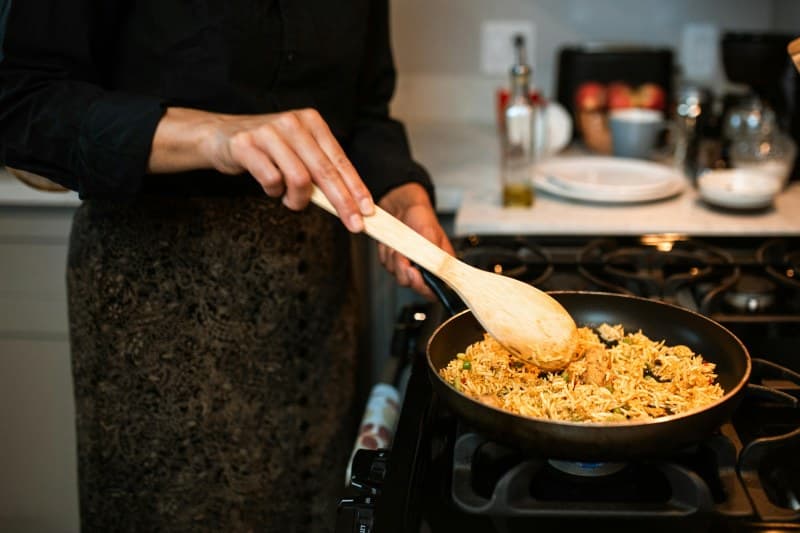
A: No! A heavy-bottomed skillet works just as well. Woks are great for high heat and tossing, but a skillet with good heat retention is perfect for home cooks.
Myth: You have to use a lot of oil.
Fact: A tablespoon of oil is enough—too much makes veggies greasy. Use oils with high smoke points like canola or sesame oil.
Pro Tips for Perfect Timing & Flavor 🌱
To get timing right, here’s a quick guide to common stir-fry veggies and their cook times:
| Veggie | Prep (Cut Size) | Cook Time (Minutes) |
|---|---|---|
| Broccoli | Small florets | 3-4 |
| Bell Peppers | Thin strips | 2-3 |
| Carrots | Matchsticks | 4-5 |
| Snap Peas | Whole (trimmed) | 1-2 |
| Zucchini | Thin slices | 2-3 |
Pro tip: Cook harder veggies (like carrots) first, then add softer ones (like snap peas) later.
A Classic Quote to Keep in Mind
“The only real stumbling block is fear of failure. In cooking, you've got to have a what-the-hell attitude.” — Julia Child
This applies to stir-fry too. Don’t be afraid to adjust heat or try new veggie combinations—even if you mess up once, you’ll learn what works.
Real-Life Example: Sarah’s Stir-Fry Turnaround
My friend Sarah used to avoid stir-fry because her veggies were always soggy. She realized she was overcrowding the pan and skipping the drying step. After she started patting her veggies dry and cooking in two batches, her stir-fry transformed. Now she makes it every week, adding garlic and ginger for extra flavor. Her go-to combo? Broccoli, bell peppers, and snap peas—crispy, colorful, and delicious.
Stir-fry veggies are a quick, healthy meal option once you know the tricks. Avoid the common mistakes, follow the timing guide, and don’t forget to have fun with it. Happy cooking!