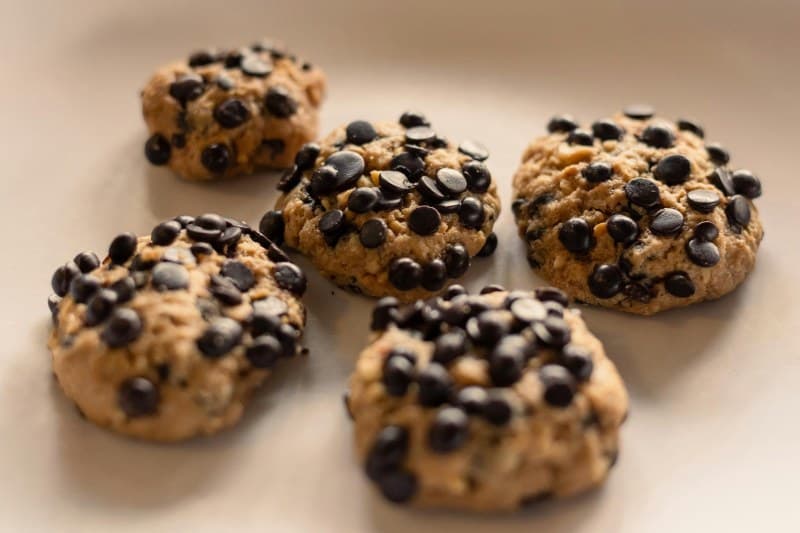
We’ve all been there: you mix up a batch of cookie dough, pop it in the oven, and eagerly wait—only to pull out a tray of flat, greasy disks or dry, crumbly messes. Last month, I tried making chocolate chip cookies for my sister’s birthday party. I melted the butter instead of softening it, and the result? Cookies that spread so much they merged into one giant sheet. It was a disaster, but it taught me to pay attention to the small details that make or break a cookie.
4 Common Cookie Baking Mistakes (And How to Fix Them)
1. Using the Wrong Butter Temperature 🍯
Butter is the backbone of cookies, and its temperature changes everything. Melted butter leads to flat, greasy cookies (like my birthday disaster). Rock-hard butter won’t mix evenly, leaving lumps that create uneven texture.
Fix: Use room-temperature butter—soft enough to press with your finger but not melted. Let it sit out for 30-60 minutes, or microwave it in 5-second bursts if you’re in a hurry.
2. Overmixing the Dough 🥣
When you mix dough too much, you activate the gluten in the flour. This makes cookies tough instead of tender. I once mixed my dough for 5 minutes straight thinking it would be smoother—big mistake.
Fix: Mix until the ingredients are just combined. Stop as soon as you no longer see streaks of flour. For chewy cookies, mix even less!
3. Oven Temperature Is Off 🔥
Most ovens run hot or cold by 25-50 degrees. If your oven is too hot, cookies burn on the edges before the center is done. Too cold, and they spread too much.
Fix: Use an oven thermometer to check the actual temperature. Adjust the dial accordingly—if it’s 25 degrees hot, set it 25 degrees lower than the recipe says.
4. Skipping Dough Rest Time ⏳
Resting dough allows the flour to absorb moisture and the flavors to meld. Skipping this step leads to cookies that spread and lack depth.
Fix: Chill the dough for at least 30 minutes (or overnight for better flavor). This also makes the dough easier to scoop!
Chewy vs. Crispy Cookie Techniques: A Quick Comparison
Not sure whether you want chewy or crispy cookies? Here’s how to adjust your approach:
| Aspect | Chewy Cookies | Crispy Cookies |
|---|---|---|
| Butter Temperature | Room temperature (soft) | Slightly melted | Mixing Time | Minimal (just combined) | Longer (to activate gluten) |
| Baking Time | Shorter (1-2 minutes less than recipe) | Longer (1-2 minutes more) |
| Sugar Type | More brown sugar (retains moisture) | More white sugar(reduces moisture) |
Wisdom from the Pros
“The only real stumbling block is fear of failure. In cooking you’ve got to have a what-the-hell attitude.” — Julia Child
This quote sums up baking perfectly. Don’t let a batch of bad cookies stop you from trying again. Every mistake teaches you something new—like my melted butter fiasco!
FAQ: Common Cookie Baking Question
Q: Can I substitute margarine for butter in cookies?
A: You can, but the results won’t be the same. Butter adds richness and flavor that margarine can’t match. If you must substitute, use a stick margarine (not spreadable) and add a pinch of salt to enhance flavor.
Next time you bake cookies, keep these tips in mind. Whether you want chewy chocolate chip or crispy sugar cookies, small adjustments make all the difference. Happy baking! 🍪