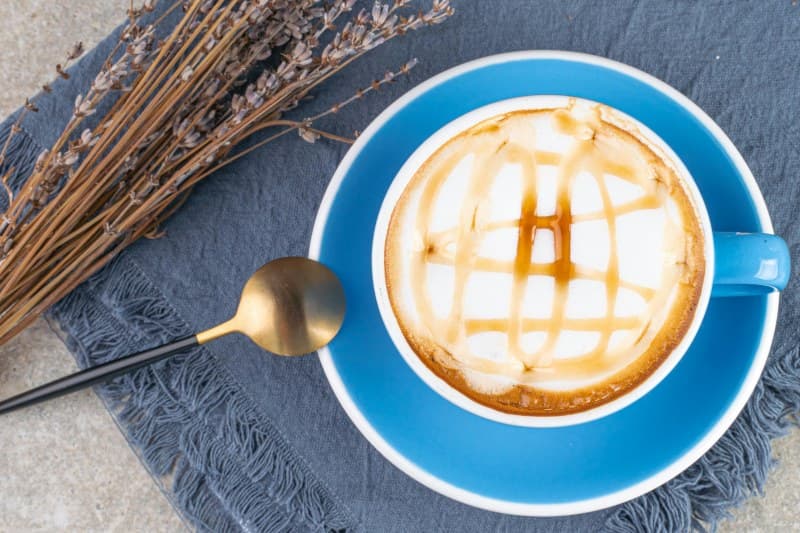
Last year, I tried making caramel for the first time. I dumped a cup of sugar into a thin pan, cranked up the heat, and stepped away to grab a spoon. When I came back, the pan was filled with black, smoky goop that smelled like burnt toast. I thought caramel was a lost cause—until I learned there are two reliable methods, and a few simple rules to avoid disaster.
The Two Core Caramel Methods: Wet vs Dry 🍯
Caramel is just sugar heated until it melts and turns golden, but the way you start the process changes everything. Let’s break down the two main approaches:
| Method | Ingredients | Process | Texture | Best For |
|---|---|---|---|---|
| Wet Caramel | Sugar + water | Heat sugar and water until dissolved, then boil without stirring until amber. | Smooth, less likely to crystallize | Caramel sauce, candies, or drizzles |
| Dry Caramel | Sugar alone | Heat sugar in a pan, stirring occasionally until it melts and turns amber. | Rich, deep flavor; risk of crystallization | Hard candies, caramelized nuts, or decorative shapes |
Julia Child once said, “Patience is the key to perfect caramel.” This couldn’t be truer—rushing the heat or skipping steps is the number one mistake.
Common Caramel Myths Debunked 💡
Let’s clear up some false ideas that trip up beginners:
- Myth 1: You have to stir caramel nonstop. For dry caramel, stirring too much can cause sugar crystals to form. For wet caramel, you can stir gently at first, but once it boils, leave it be (brush the pan sides with water to prevent crystals).
- Myth 2: Burnt caramel can be fixed. If your caramel turns black or smells burnt, it’s gone—burnt sugar has a bitter, acrid taste that can’t be reversed. Toss it and start over.
Pro Tips for Perfect Caramel Every Time
Here’s what I wish I knew before my first attempt:
- Use a heavy-bottomed pan to distribute heat evenly (no more hot spots!).
- Watch the color closely—amber is ideal. Light yellow is too early; dark brown is almost burnt.
- Have your finishing ingredients (cream, butter, salt) ready before you start—once caramel is done, you need to add them quickly to stop the cooking.
FAQ: Your Caramel Questions Answered
Q: Why does my caramel crystallize?
A: Crystals form when sugar molecules stick together. To prevent this, use the wet method, or brush the pan sides with warm water while cooking to dissolve any stray crystals.
Q: Can I use brown sugar for caramel?
A: Yes! Brown sugar adds a molasses flavor, but it’s easier to burn—cook it at a lower heat and watch it closely.
With these tips, you’ll be making perfect caramel in no time. Whether you’re drizzling it over ice cream or making homemade candies, remember: slow and steady wins the golden, sweet race.