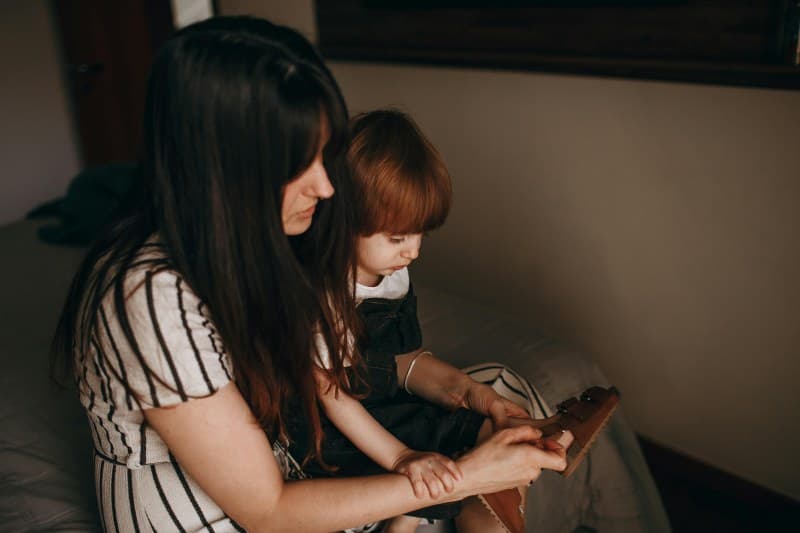
It’s 7 p.m. at the Johnson household. 13-year-old Lila is doing homework at the kitchen table, and her mom is folding laundry nearby. They don’t say a word for 20 minutes, but when Lila looks up to ask for a snack, her mom hands her an apple without missing a beat. This isn’t an awkward silence—it’s a quiet moment that binds them closer. But not all quiet moments are the same.
Two Types of Parent-Child Quiet Moments Explained
1. Comfortable Silence
This is the kind of silence where no one feels the need to fill the gap. It’s built on trust—both parent and child know they’re there for each other without words. It often happens during everyday activities, where the shared experience is enough.
2. Intentional Presence
This is when you choose to be quiet to support your child. Maybe they’re upset or overwhelmed, and you sit with them without pushing for conversation. It sends the message: “I’m here, and you don’t have to explain anything right now.”
Let’s break down the two types side by side:
| Type | Core Purpose | Typical Context | Key Impact | Example |
|---|---|---|---|---|
| Comfortable Silence | Shared enjoyment without pressure | Everyday tasks (cooking, walking, reading) | Builds familiarity and trust | Mom and daughter baking cookies, humming softly but not talking |
| Intentional Presence | Emotional support without words | After a tough day, during stress | Validates feelings and encourages openness later | Dad sitting with his teen after a bad game, no questions asked |
A Story of Intentional Presence
Last month, my neighbor’s son, Jake, failed his math test. He came home slamming doors and refused to talk. Instead of pressing him, his mom made him a cup of hot cocoa and sat on the couch next to him, flipping through a magazine. After 10 minutes, Jake sighed and said, “I studied so hard, but I froze.” His mom just hugged him and said, “That must have been awful.” Jake opened up more that night than he had in weeks. That’s the power of quiet presence.
“Silence is a source of great strength.” — Lao Tzu
This quote rings true for parent-child relationships. When we stop talking and just be there, we give our kids the space to process their feelings. It’s not about being silent for silence’s sake—it’s about letting them know they’re not alone.
Common Question: Is Quiet Time a Sign of Disconnection?
Q: I worry that if my kid doesn’t want to talk, we’re growing apart. Should I push for conversation?
A: Not necessarily. Quiet moments can be a sign of a strong bond. The key is to notice if the silence feels safe. If your child chooses to be near you even when quiet, that’s a good sign. If they avoid you or seem tense, it might be time to check in gently (e.g., “You seem quiet today—want to share anything when you’re ready?”).
Parent-child relationships don’t always need grand gestures or long talks. The quiet moments—folding laundry together, sitting in the car on the way to school, or just being in the same room—are often the ones that stick. They teach our kids that love isn’t just about words; it’s about being there, even when you don’t have anything to say.