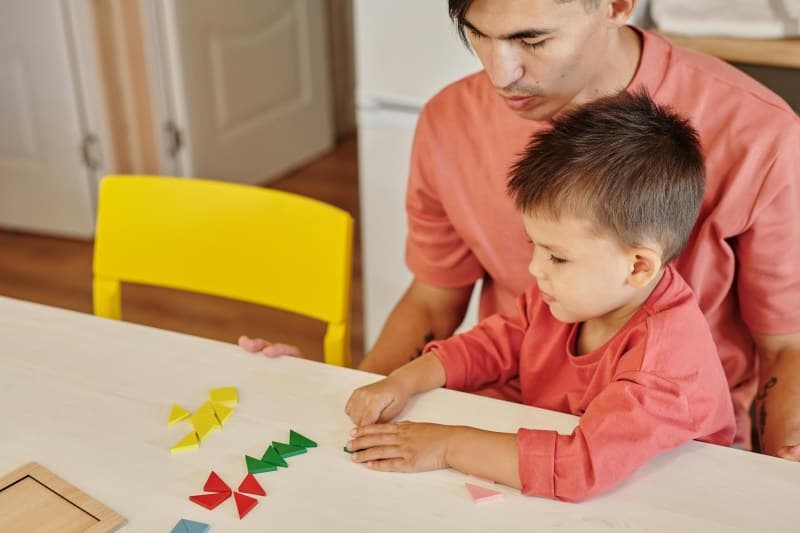
Last week, my friend Lila told me she felt like she was talking to a wall when she tried to ask her 13-year-old son about his day. He’d grunt, stare at his phone, and mumble “fine” before retreating to his room—leaving her feeling disconnected and unsure how to bridge the gap. Sound familiar? Many parents struggle with this, and often, the issue isn’t that kids don’t want to talk—it’s that we’re not using active listening the right way.
What Is Parent-Child Active Listening, Anyway?
Active listening isn’t just hearing the words your child says—it’s about showing them you understand their feelings and perspective. It’s the difference between saying, “Stop being upset about the game” (which dismisses their emotion) and “You’re really disappointed that your team lost—must have been a tough game” (which validates it). When you practice active listening, you create a safe space for your child to open up without fear of judgment.
6 Common Myths About Active Listening (And The Truth)
Let’s bust some myths that might be holding you back from connecting with your kid:
| Myth | Fact |
|---|---|
| I have to fix their problem right away. | Most of the time, kids just need to be heard. Fixing things immediately can make them feel like their feelings aren’t important. |
| It takes too much time. | Even 5 minutes of focused, distraction-free listening can strengthen your bond. You don’t need a long conversation to make an impact. |
| Active listening means agreeing with everything they say. | You can validate their feelings without agreeing. For example: “I get why you’re angry about curfew, even if I can’t change it.” |
| It’s only for big problems. | Active listening works for small moments too—like when your kid is excited about a new toy or frustrated with homework. |
| Kids should come to me first. | Some kids are shy or need time to process. Be patient and let them initiate conversations when they’re ready. |
| I’m a bad parent if I don’t do it perfectly. | Active listening is a skill—you’ll make mistakes. The key is to keep trying and apologize when you slip up (e.g., “I’m sorry I interrupted you earlier; let’s try again”). |
Why Active Listening Matters: Key Benefits
Practicing active listening has long-term benefits for both you and your child:
- 💛 Builds trust: When your child feels heard, they’re more likely to come to you with big problems later.
- 🧠 Helps emotional regulation: Validating feelings teaches kids how to name and process their emotions.
- 🗣️ Improves communication skills: Kids learn to express themselves clearly when they see you modeling good listening.
For Lila, the change was noticeable. After a few weeks of practicing active listening, her son opened up about being bullied at school—something he’d never told anyone before. “I felt like he finally trusted me,” she said. “That’s worth more than any quick fix.”
Practical Tips To Try Today
You don’t need to be an expert to start. Here are simple ways to practice active listening:
- Put down your phone: Distractions like emails or social media send the message that your child isn’t a priority.
- Use reflective statements: Paraphrase what your child says to show you’re listening (e.g., “So you’re saying your friend canceled plans again?”).
- Ask open-ended questions: Instead of “Did you have fun at school?” try “What was the best part of your day?”
- Validate feelings: Use phrases like “That sounds frustrating” or “I’d feel that way too.”
“The most basic of all human needs is the need to understand and be understood. The best way to understand people is to listen to them.” — Ralph Nichols
This quote sums up why active listening is so powerful. It’s not about solving every problem or having all the answers—it’s about making your child feel seen and loved.
Common Question: What If My Child Still Doesn’t Want To Talk?
Q: I’ve tried active listening, but my child still won’t open up. What should I do?
A: Don’t push. Kids often feel pressured when you demand they talk. Instead, try low-pressure activities where conversation flows naturally—like driving them to practice, baking cookies together, or walking the dog. For example, Lila started asking her son about his favorite video game while they made popcorn. Before long, he was talking about his day without even realizing it. Be patient, and remember that small steps count.
At the end of the day, active listening is about connection—not perfection. Even if you only get it right once a day, that’s a step toward a stronger, more meaningful relationship with your child.