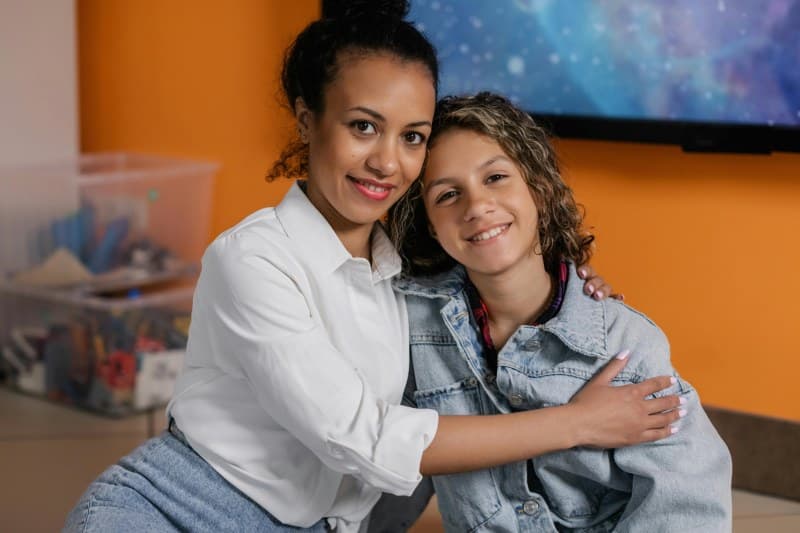
It’s a scene many parents know: Your 7-year-old bursts into the kitchen, holding a crumpled drawing, ready to tell you every detail about their art class. But you’re mid-email, or folding laundry, or thinking about the grocery list. You nod, say “that’s nice,” and keep going. The kid trails off, shoulders slumping, and walks away. Later, you feel a twinge of guilt—you missed a chance to connect. That’s where active listening comes in.
What Is Parent-Child Active Listening?
Active listening isn’t just hearing the words your child says. It’s about being fully present, tuning into their feelings, and letting them know you get it. It’s a way to build trust: When kids feel heard, they’re more likely to share their thoughts, even the hard ones, as they grow.
5 Key Habits of Effective Active Listening
The following table breaks down the core habits of active listening, with practical do’s and don’ts:
| Habit Name | What It Looks Like | Common Pitfall to Avoid |
|---|---|---|
| Give Full Attention | Put down your phone, make eye contact, and turn your body toward your child. | Multitasking (scrolling, folding laundry) while “listening.” |
| Reflect Feelings | Say things like, “You seem really excited about that soccer goal!” or “That must have hurt when your friend ignored you.” | Jumping to fix the problem before acknowledging their emotions. |
| Ask Open-Ended Questions | Use questions like, “What was the best part of your day?” instead of “Did you have fun?” | Sticking to yes/no questions that shut down the conversation. |
| Avoid Interrupting | Let your child finish their thought before responding. | Cutting in to give advice or share your own story. |
| Validate Their Experience | Even if you don’t agree, say things like, “I can see why that made you mad.” | Dismissing their feelings with phrases like, “It’s not a big deal.” |
Common Myths Debunked
Let’s clear up some misconceptions about active listening:
- Myth 1: It takes a lot of time. → Truth: Even 2 minutes of focused listening can make a difference. For example, pausing to hear your kid’s story about a bug they found on the walk home.
- Myth 2: You have to agree with everything. → Truth: Validation doesn’t mean agreement. You can say, “I understand why you’re upset about not getting the toy,” even if you don’t plan to buy it.
- Myth 3: It’s only for big problems. → Truth: Active listening works for small moments too—like hearing about their favorite snack or a funny joke from class.
A Story of Active Listening in Action
Lila, 13, came home from school slamming her backpack on the couch. Her dad, who was working on his laptop, noticed her mood. Instead of asking “What’s wrong?” (a yes/no question), he closed his laptop, sat next to her, and said, “You look really frustrated—want to tell me about it?” Lila ranted about a friend who had canceled their plans last minute. Her dad didn’t say “Just find a new friend” or “It’s okay.” Instead, he reflected: “That sounds like a letdown—you were looking forward to that movie, right?” Lila nodded, then kept talking. By the end, she felt heard and even came up with a plan to talk to her friend the next day. Her dad didn’t solve the problem—he just gave her space to process.
The most basic of all human needs is the need to understand and be understood. The best way to understand someone is to listen to them. — Carl Rogers
This quote hits home for parent-child relationships. When we take the time to listen deeply, we meet our kids’ core need to be seen. It’s not about being a perfect parent—it’s about showing up.
FAQ: Can Active Listening Work for Busy Parents?
Q: I’m always swamped with work, chores, and errands. How can I fit active listening into my day?
A: It’s all about small, intentional moments. For example: When your kid is eating breakfast, put down your phone and ask, “What’s one thing you’re excited about today?” Or when they’re telling you about their game, pause folding laundry for 2 minutes to make eye contact and respond. Quality beats quantity every time.
Active listening is a skill that takes practice. You might forget to put down your phone or jump to fix a problem at first—and that’s okay. Start with one habit this week (like reflecting feelings) and see how it changes your conversations. Your kid will notice, and your bond will grow stronger.