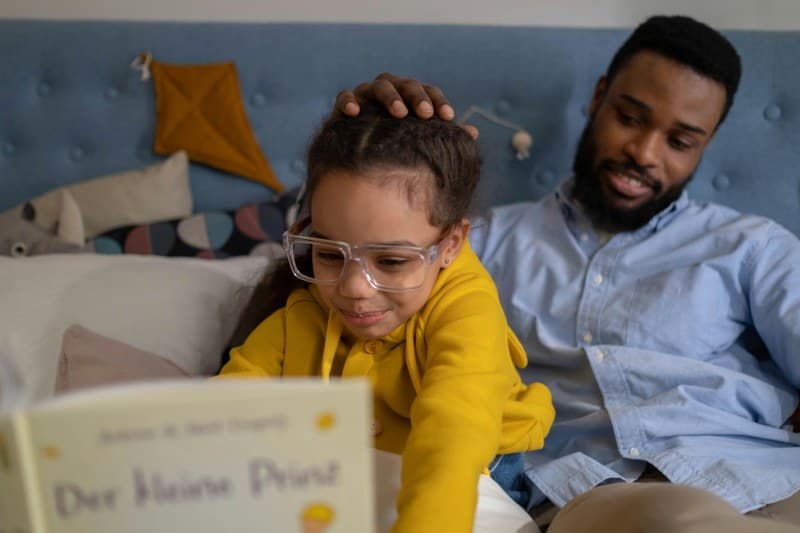
Imagine this: Your 8-year-old slumps into the kitchen after school, backpack thudding on the floor. You ask, “How was your day?” They mumble, “Fine,” and head to their room. Later, you find them drawing a sad-looking stick figure with a crossed-out smile. You realize you missed the chance to really listen—again. Parent-child active listening isn’t just about hearing words; it’s about making your kid feel seen, even when they don’t say much.
What Is Parent-Child Active Listening?
Active listening is a way of engaging with your child that shows you’re fully present and interested in their thoughts and feelings. It’s not about fixing their problems right away—it’s about creating a safe space where they feel comfortable sharing.
4 Key Practices for Active Listening
These four practices can transform how you connect with your kid. Here’s a breakdown of each:
| Practice | Purpose | Real-Life Example |
|---|---|---|
| Give Full Attention | Show your kid they’re your top priority. | Put down your phone, turn off the TV, and make eye contact when they talk. |
| Reflect Feelings | Validate their emotions so they know you understand. | If they say, “My friend didn’t play with me,” respond: “That must have hurt.” |
| Ask Open-Ended Questions | Encourage them to share more than yes/no answers. | Instead of “Did you have fun?”, try “What was the best part of your day?” |
| Avoid Interrupting | Let them finish their thought without jumping in to solve or judge. | Wait until they pause before asking follow-up questions. |
Common Myths Debunked
Myth 1: Listening means solving the problem immediately
Many parents think active listening requires fixing whatever’s wrong. But sometimes, your kid just needs to vent. For example, if they’re upset about a bad test grade, saying “Let’s study together tomorrow” might feel like pressure. Instead, reflect: “That grade must have been disappointing.” They’ll ask for help if they want it.
Myth 2: Kids should only talk when spoken to
Kids often share when they’re relaxed, not when you’re ready. Maybe they’ll mention a problem while you’re folding laundry or driving. Be ready to pause and listen—those unplanned moments are often the most meaningful.
Myth 3: If they don’t talk, they don’t want to share
Some kids are quiet by nature, or they need time to process. Don’t push them. Instead, say something like, “I’m here if you want to talk later—no rush.”
A Classic Quote to Remember
“I’ve learned that people will forget what you said, people will forget what you did, but people will never forget how you made them feel.” — Maya Angelou
This quote sums up why active listening matters. When you listen deeply, your kid feels valued. They’ll remember that you were there for them, even if they don’t remember the exact words.
Q&A: Common Parent Question
Q: My child often clams up when I try to listen—what should I do?
A: Try low-pressure moments. Kids often open up when they’re doing something else, like walking the dog or baking cookies. Avoid eye contact if it makes them nervous. For example, while stirring batter, you might say, “I noticed you seemed quiet at dinner—want to tell me about it?” If they say no, just reply, “Okay, I’m here whenever you’re ready.”
Final Thoughts
Active listening takes practice. You might forget to put down your phone or interrupt once in a while—and that’s okay. The key is to keep trying. Over time, your kid will learn that you’re a safe person to talk to, and your bond will grow stronger. Remember: It’s not about being perfect—it’s about being present.