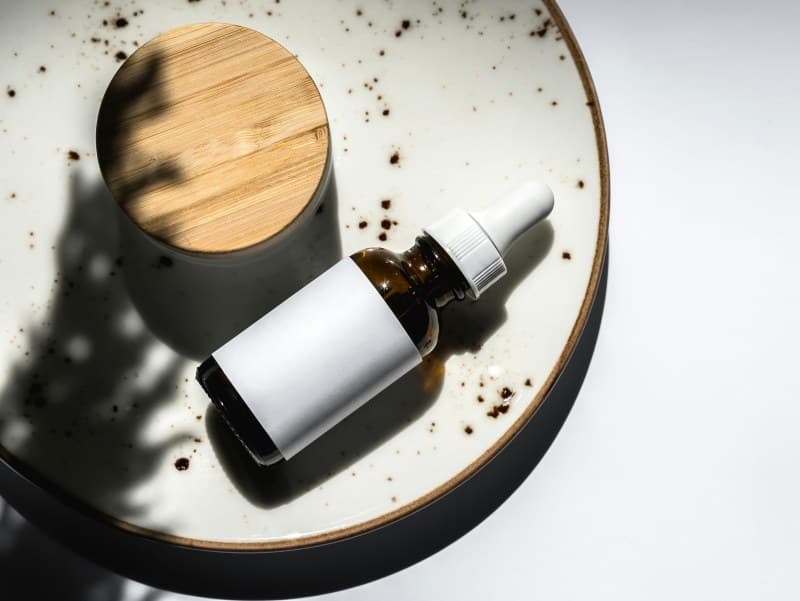
Let’s start with Sarah’s story: She heard niacinamide was the “holy grail” for clear, bright skin, so she grabbed a 10% serum from the drugstore. For a week, she slathered it on morning and night—until her cheeks got red and slightly bumpy. She tossed it, thinking niacinamide just wasn’t for her. But what she didn’t know was that she skipped two crucial steps: patch testing and starting with a lower concentration.
What Is Niacinamide, Anyway?
Niacinamide is a derivative of vitamin B3, a nutrient your skin needs to stay healthy. It’s loved for its multi-tasking superpowers: it strengthens your skin’s barrier (the outer layer that keeps moisture in and irritants out), reduces redness, controls excess oil, and fades dark spots over time. Unlike some active ingredients, it’s gentle enough for most skin types—if used right.
3 Myths About Niacinamide (Debunked)
Myth 1: It’s Only For Oily Skin
False! While niacinamide helps control oil production (great for oily skin), it also repairs dry skin’s barrier. If your skin feels tight or flaky, a niacinamide moisturizer can help lock in moisture and reduce sensitivity.
Myth 2: It Can’t Be Mixed With Retinol
Myth busted! Niacinamide and retinol are a power couple. Niacinamide calms the irritation retinol can cause, while retinol boosts collagen production. Just layer them correctly: apply niacinamide first (wait 2 minutes to absorb) then retinol.
Myth 3: Higher Concentration = Better Results
Not true. Most people see great results with 5-10% niacinamide. Concentrations above 10% can irritate sensitive skin without adding extra benefits. Sarah’s mistake? Jumping straight to 10% instead of starting with 5%.
Which Niacinamide Form Is Right For You?
There are three common forms of niacinamide—here’s how they stack up:
| Form | Pros | Cons | Best For |
|---|---|---|---|
| Serum | High concentration, fast absorption, targeted for specific concerns (like dark spots) | May feel lightweight; needs moisturizer after to lock in benefits | Oily/combination skin, brightening goals |
| Moisturizer | Hydrating + niacinamide benefits in one step; gentle on sensitive skin | Lower concentration than serums | Dry/sensitive skin, simple routines |
| Toner | Gentle, easy to add to any routine; low concentration ideal for beginners | Least potent; may not deliver strong results for severe concerns | Beginners, very sensitive skin |
Patience Is Key
“Patience is a virtue.” — English Proverb
This old saying applies perfectly to niacinamide. Unlike some quick-fix products, it takes 4-6 weeks to see visible changes (like faded spots or less oil). Sarah gave up after a week—if she’d stuck with a 5% serum, she might have loved the results.
Quick Q&A: Common Niacinamide Questions
Q: Can niacinamide cause breakouts?
A: It’s rare, but if you start with a high concentration or skip patch testing, it might irritate your skin (like Sarah’s redness). Always test a small amount on your inner arm or jawline first, and start with 5%.
Final Tips For Using Niacinamide
- Patch test before adding to your daily routine.
- Start with 5% concentration if you’re new.
- Layer serums before moisturizers (wait 2 minutes for absorption).
- Use it morning and night for best results (it’s stable in sunlight).
Whether you’re a skincare newbie or a pro, niacinamide can be a great addition to your routine—you just need to find the right form and concentration for your skin. Remember: slow and steady wins the race!