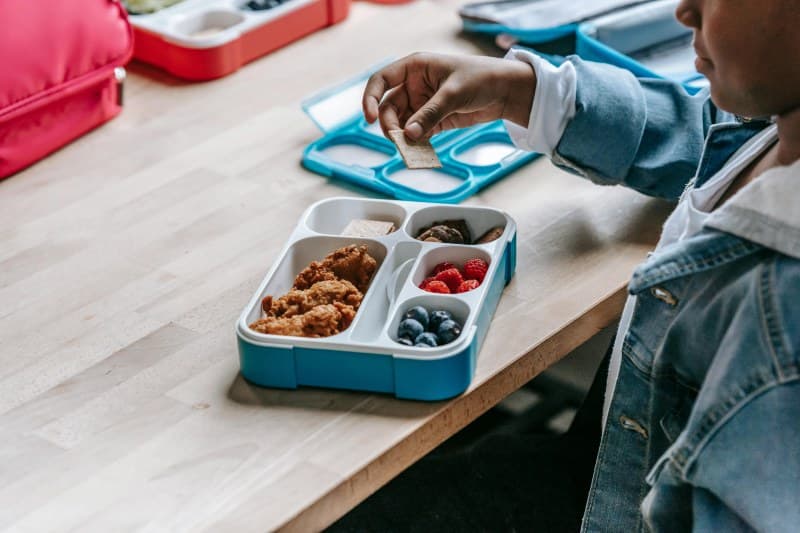
Last week, I packed a crisp chicken salad for work, only to find it wilted and soggy by 12 PM. The lettuce was limp, the dressing had turned everything mushy, and I ended up grabbing a sad vending machine snack. Sound familiar? Keeping lunchbox food fresh isn’t rocket science, but it does require the right approach.
2 Key Methods to Keep Lunch Fresh
After testing several approaches, I found two methods that consistently work: insulated layers and cold packs. Let’s break them down.
Method 1: Insulated Layers
This method uses thermal materials to trap temperature (hot or cold) inside your lunchbox. Think of it like wrapping your food in a cozy blanket.
Method 2: Cold Packs
Cold packs or frozen items keep perishable foods (like salads, yogurt, or meats) at a safe temperature for hours.
Here’s a quick comparison of the two methods:
| Method | Required Items | Pros | Cons | Ideal Foods |
|---|---|---|---|---|
| Insulated Layers | Thermal lunch bag, foil, insulated container | No freezing prep needed; works for hot and cold foods | Less effective for long hours (over 4h) | Sandwiches, soups, wraps, hot meals |
| Cold Packs | Gel packs, frozen water bottles, ice packs | Keeps perishables cold for 4-6h; budget-friendly options available | Requires freezing overnight; adds bulk to lunchbox | Salads, yogurt, deli meats, fruits |
Myth Busting: Common Lunchbox Freshness Myths
Let’s debunk a popular myth: You need expensive containers to keep food fresh. This isn’t true! A simple thermal bag from the dollar store or wrapping your sandwich in multiple layers of foil works just as well. The key is trapping temperature, not the price tag.
Real-Life Example
My niece, a high school student, used to struggle with her lunch getting warm by lunchtime. She switched to wrapping her turkey sandwich in foil and placing it in a $5 thermal bag. Now her sandwich stays fresh, and she no longer throws away half-eaten meals. Small changes make a big difference!
“By failing to prepare, you are preparing to fail.” — Benjamin Franklin
This quote rings true for lunch prep. Taking 2 minutes to add an insulated layer or a cold pack can save you from a disappointing meal.
FAQ: Common Lunchbox Freshness Questions
Q: Can I use frozen water bottles instead of cold packs?
A: Yes! Frozen water bottles are a great budget-friendly alternative. They keep your food cold and double as a drink once they melt. Just place them next to perishable items like salads or yogurt.
Q: How long can I keep food fresh with these methods?
A: Insulated layers work for 2-4 hours, while cold packs can keep food fresh for 4-6 hours. For longer days, combine both methods (e.g., use a thermal bag with a cold pack).
Quick Tips to Boost Freshness
- Pack dressing separately for salads to avoid sogginess.
- Use airtight containers for wet foods like soups or curries.
- Freeze fruits like grapes or berries to act as natural cold packs.
With these methods, you can say goodbye to wilted salads and soggy sandwiches. Happy lunch prepping! 🍱