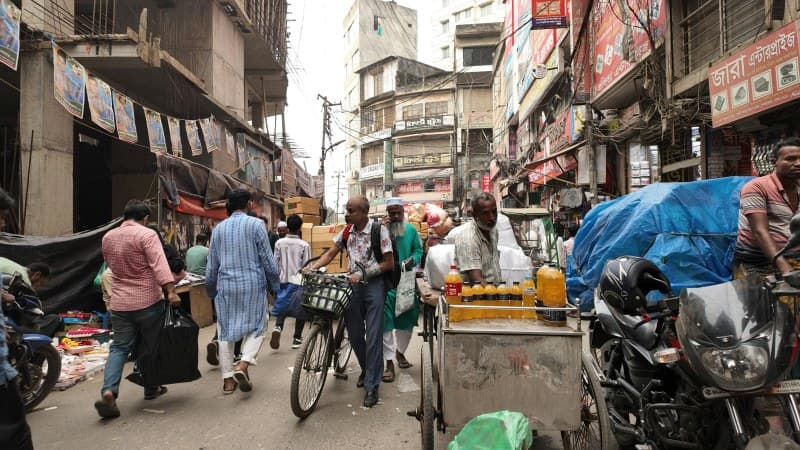
Last year, I stood in front of a bustling taco stand in Mexico City’s La Condesa neighborhood, my stomach growling but my mind racing. I’d heard horror stories about street food making travelers sick, so I hesitated—until I noticed the line was full of locals, laughing and grabbing tacos as fast as the vendor could make them. I took the plunge, and that al pastor taco turned out to be one of the best meals of my trip. No stomach issues, just pure flavor. The secret? Knowing how to navigate street food safety.
What Makes Local Street Food Safety a Concern?
Street food is the heart of a destination’s culture—it’s where locals eat, where recipes are passed down, and where you get the most authentic flavors. But for travelers, it can feel risky. Different food handling practices, unfamiliar ingredients, and language barriers can make it hard to know what’s safe. The good news is, with a little knowledge, you can enjoy street food without worry.
2 Key Approaches to Safe Street Food Exploration
There are two main ways to ensure you’re eating safely at street stalls: proactive checks you can do yourself, and trusting the locals who know best.
Approach 1: Proactive Visual Checks 👀
This approach is all about using your eyes to spot red flags. Look for stalls where:
- Food is covered to keep flies and dirt away.
- Vendors wear gloves or wash their hands frequently.
- Ingredients look fresh (no wilted veggies or discolored meat).
- Cooking surfaces are clean.
For example, in Thailand, I once skipped a pad thai stall where the noodles were left uncovered and the vendor was touching raw meat without gloves. Instead, I chose a nearby stall where the food was covered with clear plastic, and the vendor used tongs to handle everything.
Approach 2: Trust Local Recommendations 🗣️
Locals know which stalls are safe and delicious. Ask your hotel concierge, a taxi driver, or even a local at a café for their favorite street food spots. They’ll point you to places that have been around for years and have a loyal following.
When I was in Vietnam, a local student told me about a pho stall hidden in an alleyway. It had no sign, but the line was long, and the broth was simmering for hours. I ate there every morning—no issues, just incredible pho.
Here’s a quick comparison of the two approaches:
| Approach | Pros | Cons | Effort Level | Best For |
|---|---|---|---|---|
| Proactive Visual Checks | You control the decision; works anywhere | Requires time to inspect stalls | Medium | Travelers who prefer independence |
| Local Recommendations | Highly reliable; leads to hidden gems | Needs basic communication skills | Low (if you can ask) | Travelers wanting authentic, trusted spots |
Debunking Common Street Food Myths
Let’s set the record straight on some myths that hold travelers back from enjoying street food:
Myth 1: All street food is unsanitary
False! Many street vendors take pride in their hygiene. In fact, some stalls are cleaner than restaurants because they have fewer surfaces to clean and turnover food quickly.
Myth 2: You should avoid raw or undercooked foods
Not always. For example, sushi stalls in Japan often have stricter hygiene standards than some Western restaurants. The key is to check if the stall specializes in raw food—if they do, they’re likely experts at handling it safely.
“Food is our common ground, a universal experience.” — James Beard
This quote rings true for street food. It’s a way to connect with locals and their culture. By learning how to eat safely, you can fully embrace this universal experience.
FAQ: Your Street Food Safety Questions Answered
Q: If a street food stall is busy, does that mean it’s safe?
A: Busy stalls are a good sign because they turn over food quickly, reducing spoilage risk. But it’s still important to do a quick visual check—even busy stalls can have hygiene issues. For example, a busy stall in India might have great food, but if the vendor touches money and then food without washing hands, it’s best to skip it.
Q: Should I avoid street food if I have a sensitive stomach?
A: Not necessarily. Start with cooked foods (like grilled meats or stir-fries) and avoid raw veggies or unpasteurized drinks. You can also bring probiotics to help your gut adjust to new foods.
Final Tips for Worry-Free Street Food
To sum it up:
- Use your eyes to check for hygiene.
- Ask locals for recommendations.
- Start with cooked foods if you’re nervous.
- Don’t let fear stop you from trying the best part of travel—street food!
Next time you’re in a new city, take a chance on that street stall. With these tips, you’ll be able to enjoy the flavors of the world safely.