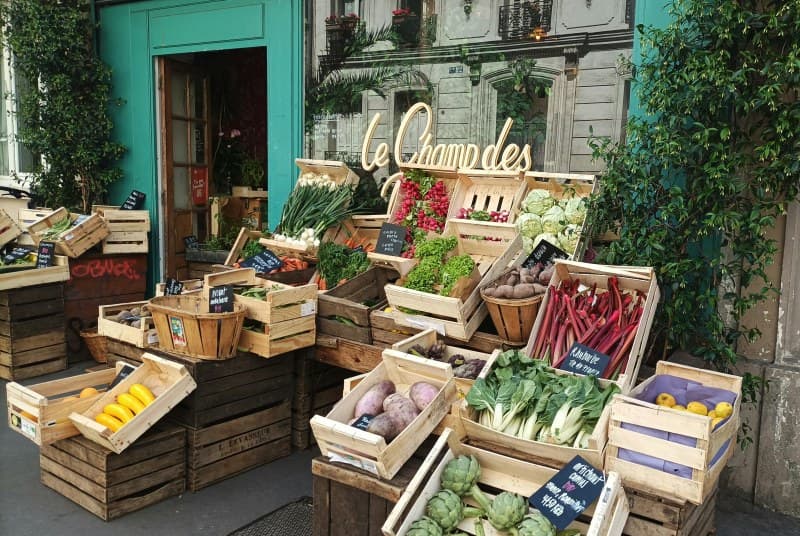
Last year in Oaxaca, I wandered off the main market path looking for a bottle of mezcal. Instead, I found a tiny stall tucked between two fabric vendors, run by a woman named Doña Maria. She sold hand-pressed chocolate tablets, and after a quick taste (sweet, with a hint of cinnamon), I left with three—plus a story about her grandmother’s recipe. That’s the magic of local market hidden gems: they’re not just products, but windows into a place’s soul.
What Are Local Market Hidden Gems?
Hidden gems are the under-the-radar spots in busy markets—stalls that aren’t in guidebooks, family-run stands, or secret corners where locals gather. They’re not always the cheapest, but they’re the most authentic, offering a glimpse into the daily lives and traditions of the community.
4 Key Types of Hidden Market Gems
Here’s a breakdown of the most common hidden gems you might find, and how to spot them:
| Type | What It Is | Example | Pro Tip |
|---|---|---|---|
| Artisanal Craft Stalls | Handmade items by local artisans (not mass-produced) | A weaver in Peru selling alpaca scarves with traditional patterns | Look for stalls with tools (looms, pottery wheels) nearby—signs of on-site making. |
| Family-Run Food Spots | Small stands run by generations of the same family | A Vietnamese pho stall in Hanoi where the owner’s kids help serve | Watch for locals lining up (even if the sign is in a language you don’t know). |
| Secret Tasting Areas | Hidden corners where vendors offer samples of local specialties | A cheese monger in France with a back table for trying aged brie | Listen for laughter or the clink of glasses—signs of a gathering spot. |
| Cultural Demonstrations | Live shows of traditional skills (cooking, weaving) | A Mexican tortilla maker pressing corn dough by hand | Look for crowds gathered around someone working—they’re usually happy to let you watch (or join!). |
How to Find These Gems
Finding hidden gems isn’t about luck—it’s about being curious. Here are a few tips:
- Wander off the main path: The busiest areas are for tourists—take a side alley or a less crowded section.
- Follow the locals: If you see a group of people heading to a stall, follow them. Locals know the best spots.
- Ask a vendor: Strike up a conversation (even with gestures) and ask where they go to eat or shop. Most are happy to share their favorite spots.
- Slow down: Don’t rush through the market. Take time to look at every stall, not just the ones with bright signs.
Common Myths Debunked
Let’s clear up some misconceptions about hidden market gems:
Myth 1: Hidden gems are always the cheapest. No—artisanal items take time and skill, so they might cost more than mass-produced goods. But the quality and story behind them make them worth it.
Myth 2: You need to speak the local language. Nope—gestures, smiles, and pointing work wonders. In Thailand, I pointed to a mango sticky rice stall and smiled—they gave me a sample immediately, no words needed.
Myth 3: Guidebooks list all the best spots. Guidebooks often focus on popular stalls that cater to tourists. Hidden gems are usually off their radar.
FAQ
Q: Do I have to bargain to get a good deal at hidden market gems?
A: It depends on the place. In some countries (like Morocco), bargaining is expected and part of the fun. In others (like Japan), it’s considered rude. A good rule: If the price is clearly marked, don’t bargain. If not, ask politely—“Is this the best price?” Most vendors will be fair.
“The world is a book, and those who do not travel read only one page.” — Saint Augustine
This rings true for market hidden gems—each one is a page in the book of a place’s culture, waiting to be read. Next time you visit a local market, don’t just stick to the main path. Wander, ask, and slow down. You might find a Doña Maria or a hidden cheese table—moments that turn a regular trip into something unforgettable.