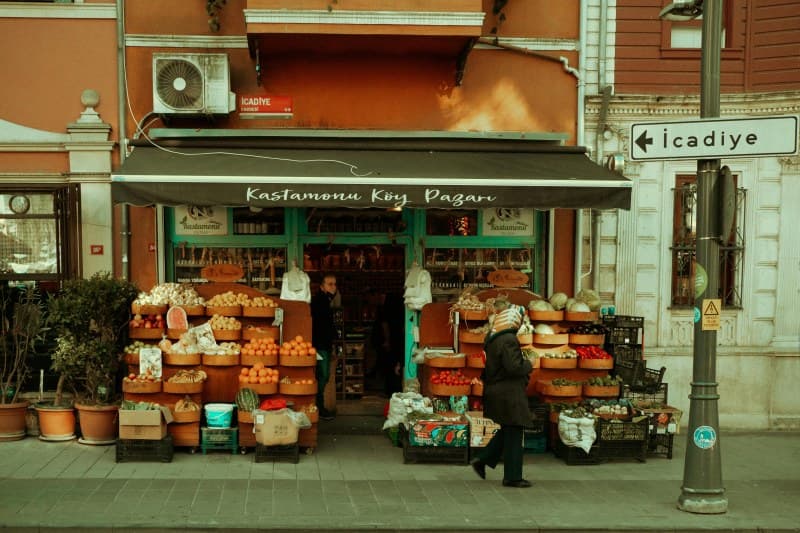
Last year, I wandered into a bustling night market in Chiang Mai, Thailand. I saw a vendor selling fresh mango sticky rice and reached for a sample without asking—only to get a polite but firm shake of the head. That’s when I realized: market etiquette isn’t just about being polite; it’s a way to connect with locals and show respect for their culture. Since then, I’ve learned to pay attention to the unwritten rules that make market visits meaningful.
Why Local Market Etiquette Matters
Markets are the heart of a community—they’re where locals buy daily groceries, catch up with neighbors, and showcase their crafts. Ignoring etiquette can make vendors feel disrespected, and it might even ruin your chance to get the best deals or stories. But when you follow the rules, you’re not just a tourist—you’re a guest.
7 Key Market Etiquette Rules (Do’s & Don’ts)
Here’s a breakdown of the most important rules to remember, with clear do’s and don’ts:
| Rule | Do | Don’t |
|---|---|---|
| 1. Ask before touching | Wait for the vendor to offer samples or let you handle items. | Grabs fruits, crafts, or food without permission. |
| 2. Bargain respectfully | Smile, start with a friendly offer, and be willing to walk away. | Argue aggressively or lowball to the point of rudeness. |
| 3. Use local greetings | Learn a simple "hello" or "thank you" (e.g., "sawasdee" in Thai). | Ignore vendors or speak loudly in your native language. |
| 4. Don’t block the stall | Step aside after browsing to let others shop. | Stand in front of the stall while checking your phone. |
| 5. Prepare payment | Bring cash (small bills) or ask if cards are accepted. | Assume all stalls take cards or ask for change for large bills. |
| 6. Respect food prep | Wait patiently for your order; don’t hover over the cooking area. | Touch utensils or food that’s being prepared. |
| 7. Say thank you | Express gratitude with a smile or local phrase after your purchase. | Walk away without acknowledging the vendor. |
Common Myths Debunked
Let’s clear up some misconceptions about market etiquette:
Myth 1: Bargaining is mandatory everywhere
Not true! In some markets (like grocery markets in Japan), prices are fixed, and bargaining is considered rude. Always observe locals first—if you see others bargaining, it’s okay to try. If not, stick to the listed price.
Myth 2: You have to buy something if you ask for a sample
Most vendors offer samples to entice you, but you’re not obligated to purchase. A polite "thank you" is enough if you don’t want the item.
Q&A: What if I don’t speak the local language?
Q: I’m nervous about interacting with vendors because I don’t know their language. What can I do?
A: Body language goes a long way! Smile, point to what you want, and use hand gestures for numbers. You can also download a translation app (like Google Translate) for key phrases. Vendors appreciate the effort, even if your pronunciation isn’t perfect.
“Respect yourself and others will respect you.” — Confucius
This quote rings true for market etiquette. When you respect the vendor’s space, rules, and culture, they’ll often go out of their way to help you—whether it’s giving you an extra sample or sharing a story about their craft.
Next time you visit a local market, take a moment to observe and adapt. These small acts of respect will turn your market visit from a quick shopping trip into a memorable cultural experience. Happy exploring! ✨