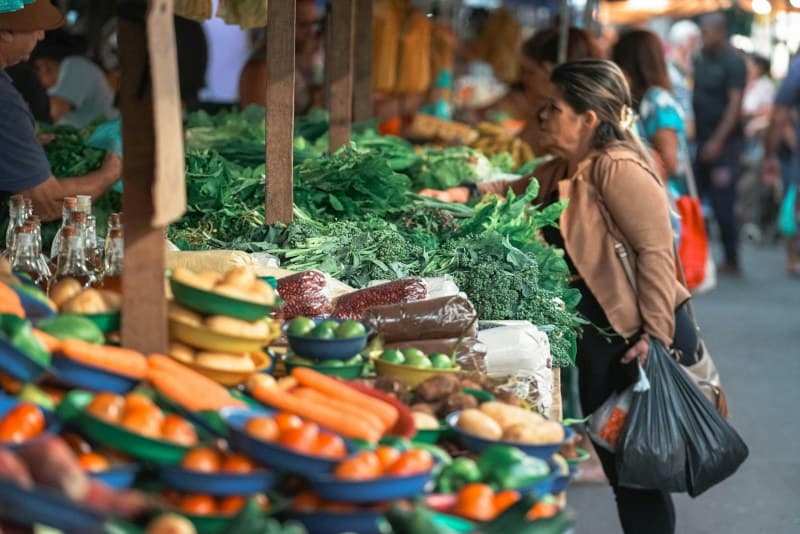
Last year, my friend Lila visited Marrakech’s bustling souk. She spotted a handwoven leather bag she loved, and when the vendor quoted 200 dirhams, she immediately offered 50. The vendor’s smile faded; he shook his head and turned away. Lila left feeling confused—until a local guide explained: she’d skipped the conversation. Bargaining in many markets isn’t just about haggling for a lower price; it’s a cultural ritual, a dance of mutual respect.
What Is Respectful Bargaining, Anyway?
Bargaining (or haggling) is a two-way exchange common in local markets across Asia, Africa, and the Middle East. It’s not about “winning” or tricking the vendor—it’s about building a connection. Think of it as a friendly conversation where both parties reach a price they’re happy with. When done right, it can turn a simple purchase into a memorable interaction.
5 Common Bargaining Myths (Debunked)
Let’s clear up the most persistent myths about market bargaining:
| Myth | Fact |
|---|---|
| You must lowball 50% off the initial price. | Initial prices are often inflated, but lowballing too much (like 75% off) is seen as disrespectful. Start with 20-30% below the quote and adjust. |
| Bargaining is only about getting the lowest price. | It’s as much about connection as cost. Asking the vendor about their craft or day can make the process more smoother. |
| Walking away is rude. | Walking away ( vendor you’re not happy with the price—is a common, accepted tactic in many cultures. Just do it politely (smile and say “thank you”). |
| Vendors hate tourists who bargain. | Most vendors expect tourists to bargain—they see it as part of the experience. Disrespect (like being pushy or dismissive) is what they dislike. |
| Fixed-price signs mean no bargaining. | Not always! In some markets, fixed fixed-price sign is a starting point. Politely ask “Is this the final price?”—you might get a small discount. |
Cultural Eti Etiquette Tips
To make your bargaining experience positive, follow these simple rules:
- ✨ Greet first: Use a local greeting (e.g., “Salaam aleikum” in Arabic, “Namaste” in Hindi) to show respect.
- 🛍️ Ask about the craft: Vendors love talking about their work. Say “This is beautiful—did you make it?” to start a conversation.
- 😊 Smile: A friendly smile goes a long way in breaking the ice.
- ⏳ Don’t rush: Bargaining takes time. Rushing makes you seem uninterested in the interaction.
- 🤝 Compromise: Be willing to meet the vendor halfway. If they offer 150 dirhams and you want 120, try 135—
“Respect yourself and others will respect you.” — Confucius
This quote sums up the heart of respectful bargaining. When you treat vendors with dignity, they’re more likely to engage with you openly and give you a fair price.
FAQ: Your Burning Bargaining Questions Answered
Q: Is bargaining expected in every local market?
A: No. For example, grocery markets in Japan or convenience stores in Europe have fixed prices, and bargaining is not accepted. Do a quick search before your trip to know the local norms.
Q: What if I’m bad at bargaining? Can I still try?
A: Absolutely! Even if you don’t get the lowest price, the experience of connecting with a local vendor is worth it. Just remember to be polite and have fun.
Final Thoughts
Bargaining isn’t just about saving money—it’s about immersing yourself in local culture. Next time you visit a market, skip the quick transaction. Take a minute to talk, smile, and dance the bargaining dance. You might leave with a great deal—and a story to tell.